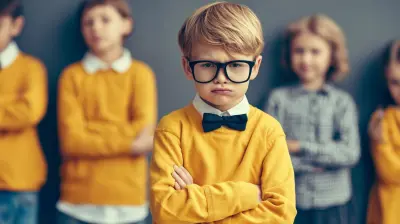
Teaching Kindness: The Foundation of a Happy Future
24 September 2026
Parents spend enormous energy on measurable outcomes. Reading levels. Math scores. Piano recitals. Travel team tryouts. These matter, but they are not what determines whether a child builds a life that feels good to live. The quiet throughline of a satisfying life is how a person treats other people, and how that treatment circles back to shape their own sense of self. Kindness is not a soft skill bolted onto a sturdy life. It is load-bearing.
This article treats kindness as a skill that can be taught, practiced, and refined, not as an inborn trait some children have and others lack. That distinction changes everything about how a parent approaches it.
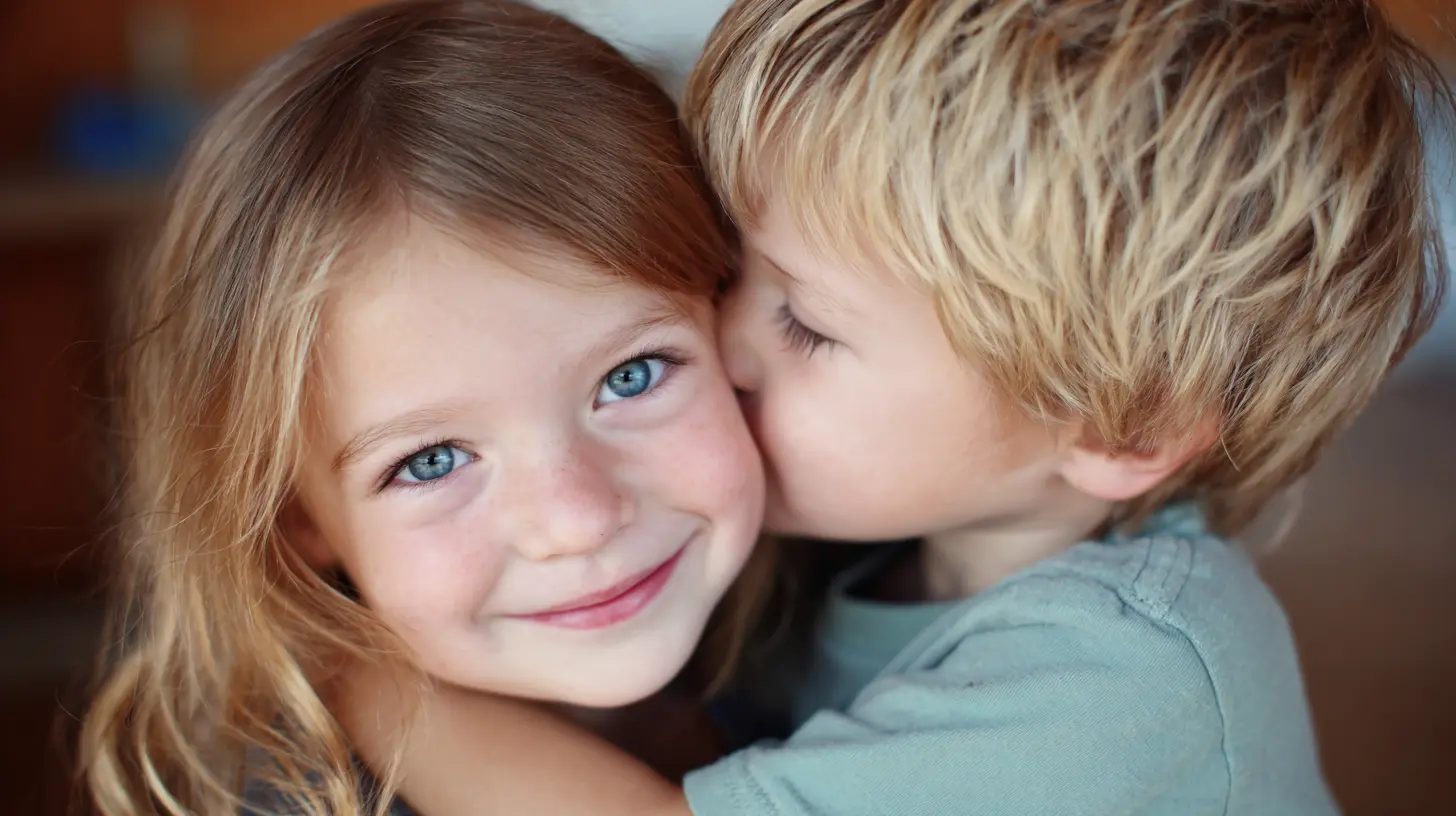
Why Kindness Is Not the Same as Being Nice
Most parents use the two words interchangeably. They are not the same, and confusing them creates predictable problems.Niceness is about smoothness. It avoids conflict, manages impressions, and prioritizes the comfort of the moment. Kindness is about genuine care for another person's wellbeing, which sometimes requires discomfort. A child who is merely nice will hand over a toy to stop a friend from crying. A kind child might say, "I can see you really want this. I am not done with it yet, but I will give it to you when I am." The first response keeps the peace. The second builds a relationship.
This distinction matters because nice children often become adults who struggle to set boundaries, tolerate mistreatment, or tell the truth when it is inconvenient. Kindness, properly taught, includes honesty, limits, and self-respect. Teach kindness without boundaries and you raise a people-pleaser. Teach boundaries without kindness and you raise someone who is technically functional but emotionally isolated.
The goal is both. And that requires more deliberate parenting than either one alone.
The Real Reasons Kindness Pays Off
The case for kindness is not sentimental. It is practical, and the practical case is stronger than most parents realize.Kindness builds social capital that compounds. A child who is trusted, helpful, and fair attracts friends and allies. Over years, that network becomes a source of support, opportunity, and resilience. Adults who had a reputation for being decent in childhood often find doors open for reasons they cannot fully trace. Reputation is cumulative and slow to build, but it is also slow to lose once established.
Kindness regulates the nervous system. Research on prosocial behavior consistently suggests that helping others reduces stress and improves mood. This is not just a nice side effect. A child who learns to reach out when they feel bad about themselves has a coping tool that does not depend on screens, food, or external validation.
Kindness protects against loneliness. Loneliness is one of the most reliable predictors of poor mental health across the lifespan. Children who develop the habit of noticing others and acting on that noticing are far less likely to end up isolated, because they have practiced the behaviors that create connection.
Kindness gives a child an identity anchor. When a child thinks of themselves as "someone who is kind," they have a compass for decisions that do not have obvious right answers. That internal reference point is more durable than rules imposed from outside.
None of this means kindness guarantees happiness. It does not. But it removes a large category of avoidable suffering and builds a foundation on which other goods, like achievement and adventure, can rest.
How Kindness Actually Develops
Kindness is not a switch. It is a developmental process, and it looks different at different ages.Ages 2 to 4: The Emergence of Empathy
Toddlers are not naturally cruel, but they are naturally egocentric. Their brains are still wiring the circuits that allow them to understand that other people have separate feelings. When a two-year-old grabs a toy, they are not being selfish in the moral sense. They are being two.What parents can do at this stage is narrate. "Look, that made him sad." "She is crying because she fell." Simple labeling of emotions in others builds the vocabulary and the habit of noticing. Do not expect the child to act on it yet. Expect them to hear it, over and over, until it becomes background music.
Ages 5 to 7: The Age of Fairness
By early elementary school, most children develop a strong, sometimes rigid, sense of fairness. This is the golden window for teaching kindness, because the child is already primed to care about how things are distributed and how people are treated. The catch is that fairness and kindness are not identical. Fairness is about equal shares. Kindness is about responding to need.A child at this age can understand that a friend who is sick might get extra attention, not because it is fair but because it is kind. This is the age to introduce the idea that different people need different things, and that noticing the difference is part of being a good friend.
Ages 8 to 12: Peer Pressure and Moral Courage
This is when kindness gets harder. The social stakes rise. Being kind to the kid nobody likes can cost a child status. This is the age where children need to hear that kindness is not always popular, and that doing the right thing when it is unpopular is one of the most important skills they will ever develop.Parents often underestimate how much moral weight children this age can carry. They can understand loyalty, betrayal, and courage. Talk to them about it directly. Ask them what they would do if a friend asked them to exclude someone. Let them think through the consequences, both social and internal.
Ages 13 to 18: Identity and Integration
Teenagers are building a self. Kindness at this stage is less about instruction and more about integration. Does the teen see themselves as someone who is kind? Does that identity survive contact with peer pressure, romantic rejection, and the ordinary cruelty of adolescence?Parents at this stage have less direct influence, but they still have some. Modeling matters. So does the willingness to have honest conversations about hard situations, without lecturing. A teenager who feels judged will shut down. A teenager who feels respected will often talk.
The Modeling Problem
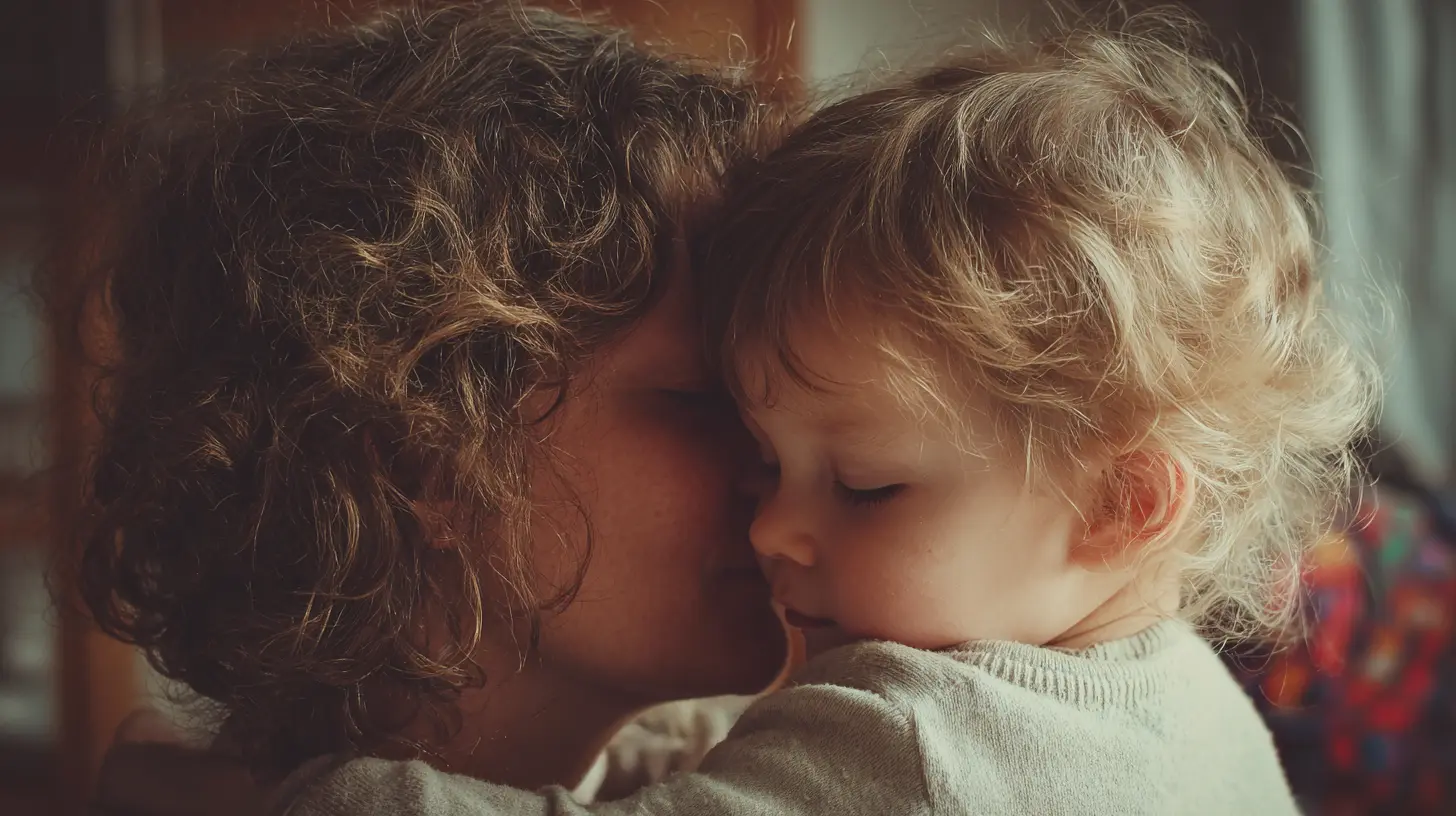
Every parent has heard that children learn by example. The problem is that most parents interpret this as "be nice in front of the kids," which is a shallow reading. Children do not just copy behavior. They absorb the underlying logic of how their parents treat people.If you are polite to the neighbor but sarcastic about them in the car, your child learns that kindness is a performance. If you are generous with people who can help you and dismissive of people who cannot, your child learns that kindness is transactional. If you lose your temper with a waiter and apologize to the manager, your child learns that kindness is about status.
The most powerful modeling is not in grand gestures. It is in the small, unglamorous moments. How you speak to someone who is having a bad day. How you respond when you are tired and someone needs something. How you talk about people who are not in the room.
This is uncomfortable because it means the work starts with you. But it is also the most effective lever you have.
Practical Strategies That Actually Work
Kindness training fails when it is abstract. "Be kind" is not a usable instruction. Here are approaches that tend to work, along with the reasoning behind them.Name the behavior, not the child
Saying "you are so kind" sounds positive, but it can backfire. It turns kindness into an identity the child has to protect, which makes them avoid situations where they might fail. It also teaches them to seek praise rather than to notice the effect of their actions.Instead, describe what they did. "You noticed he was left out and you went over to him. That probably meant a lot." This directs attention to the action and its impact. The child learns to look for the impact, not the label.
Use repair, not shame
When a child is unkind, the instinct is to make them feel bad so they will not do it again. This often produces the opposite. Shame makes children defensive and secretive. Repair makes them accountable.If a child excludes someone, do not just lecture. Ask what happened, then ask what could make it better. Maybe an apology. Maybe an invitation next time. The point is to move from "you did a bad thing" to "here is what you can do about it." This teaches that kindness is not about being perfect. It is about being willing to fix what you break.
Build routines of noticing
Kindness requires attention. Most people are not cruel. They are just absorbed in their own experience. Children are especially absorbed.You can build the habit of noticing with small routines. At dinner, ask who in the class seemed to be having a hard day. On the way home from school, ask what was the kindest thing they saw someone do. These questions do not require action. They just train the eye. Over time, the child starts noticing without being prompted.
Give real responsibility
Children who are given meaningful roles in the family, like caring for a pet, helping a younger sibling with homework, or planning a meal, develop a sense of themselves as someone who contributes. This is different from chores done for allowance. It is about being needed.Be careful not to overload. A child who is parentified, meaning they are given adult responsibilities beyond their capacity, can become resentful or anxious. The goal is contribution, not burden. A good rule of thumb is that the responsibility should feel meaningful but not heavy, and it should be age-appropriate.
Practice perspective-taking out loud
When a conflict happens, help the child imagine the other person's experience. Not in a way that invalidates the child's feelings, but alongside them. "I understand you were angry. What do you think was going on for her?"This is a skill, and like any skill, it improves with repetition. Children who practice perspective-taking become adults who can navigate conflict without dehumanizing the other side, which is one of the most valuable abilities a person can have.
Common Mistakes and Misconceptions
Even well-intentioned parents get this wrong. Here are the patterns to watch for.Forcing apologies. A forced apology teaches a child to say words to end a conflict, not to repair harm. If the child is not ready to apologize sincerely, it is better to wait. "You do not have to apologize right now. But you do need to think about what happened, and we will talk about it later."
Rewarding kindness with treats. External rewards can undermine intrinsic motivation. If a child helps a neighbor only when there is a reward, they learn that kindness is a transaction. Occasional recognition is fine, but the goal is for the child to feel the internal reward of connection.
Confusing kindness with compliance. A child who always does what adults want is not necessarily kind. They might be afraid. Real kindness includes the ability to say no, to disagree, and to protect oneself. Parents who punish disagreement in the name of "being kind" are teaching submission, not generosity.
Ignoring the child's own needs. A child who is hungry, tired, or overwhelmed has very little capacity for kindness. Before you correct behavior, check the basics. Sometimes the kindest thing you can do for a child is feed them and let them rest.
Assuming kindness is only for others. Self-compassion is not selfishness. Children who are harsh with themselves often struggle to be genuinely kind to others, because their internal model of how people should be treated is punitive. Teach them to speak to themselves the way they would speak to a friend.
Kindness in a Digital World
Children now practice social behavior in two worlds, and the online world has different rules. Anonymity, distance, and the absence of visible facial feedback make cruelty easier and kindness harder.Parents need to address this directly. The same principles apply, but the practice looks different. Online, kindness might mean not piling on in a comment thread, reaching out privately to someone who was mocked, or choosing not to share something that would embarrass someone else.
The tricky part is that online kindness is often invisible. There is no social reward for not posting a cruel comment. This makes it a purer test of character, and also a harder one to teach. Talk to your children about it. Ask them what they see. Do not pretend the digital world is separate from the real one, because for them it is not.
When Kindness Is Hard
There will be times when your child does not want to be kind. They are angry, or hurt, or jealous. This is normal. The goal is not to eliminate those feelings. It is to help the child act well despite them.One useful framing is that kindness is not a feeling. It is a practice. You do not have to feel generous to share. You do not have to feel warm to speak gently. You just have to choose the action. Over time, the feelings often follow the actions, but even when they do not, the actions still matter.
This is important because children who believe kindness requires a certain feeling will give up when they do not feel it. Children who understand kindness as a choice can practice it regardless of their mood. That is a much more durable foundation.
The Long Game
Teaching kindness is not a project with a finish line. It is a slow, repetitive, often invisible process. You will not see the results in a week. You may not see them for years. But the effects accumulate.A child who learns to notice others, to repair harm, to set boundaries with respect, and to act well even when it is hard is building a life that will be more connected, more resilient, and more meaningful. Not because kindness is a magic formula, but because it is the raw material of every good relationship, and relationships are what make a life worth living.
The work is unglamorous. It happens in small moments, in ordinary days, in the way you respond when you are tired and your child is difficult. But that is where character is built. Not in the big speeches, but in the quiet repetitions.
Start where you are. Start today. The foundation you build now will hold for decades.
all images in this post were generated using AI tools
Category:
Raising Happy KidsAuthor:

Zelda Gill