Teaching Kids to Embrace Their Uniqueness
3 August 2026
Let’s be real for a moment—raising kids is a bit like navigating through a maze... blindfolded... with one shoe. There’s no perfect map, and just when you think you’ve figured something out, your kid throws you a curveball. And one of the biggest challenges (but also one of the most beautiful ones)? Helping them own who they are. Today, we’re diving into an important topic: Teaching Kids to Embrace Their Uniqueness.
Because let’s face it—kids are growing up in a world that loves cookie-cutters. And while fitting in might seem safe, standing out is where the magic happens.
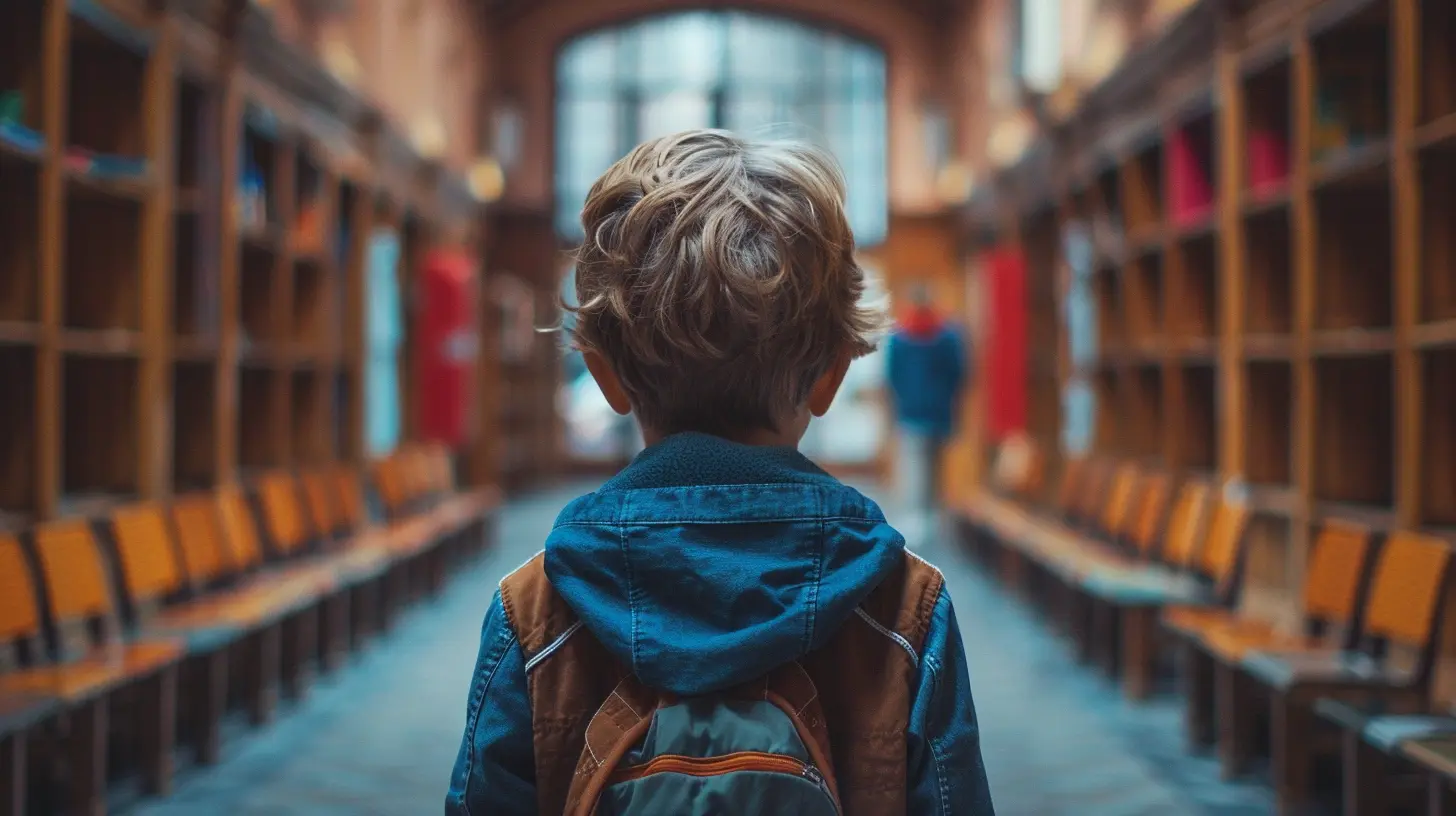
Why Embracing Uniqueness Matters (More Than Ever)
Think back to when you were a kid. How often did you feel like something about you didn’t quite “measure up”? Maybe you were the shy one, had freckles you hated, loved bugs when everyone else was into dolls. Whatever it was, you probably tried to hide it at some point.Now imagine how different your childhood would’ve been if someone just looked you in the eyes and said, “That thing that makes you different? That’s your superpower.”
That’s what we owe our kids.
In a world of influencers, filters, and social media pressure, helping our little ones shine as themselves is more than just a parenting task—it’s a mission.
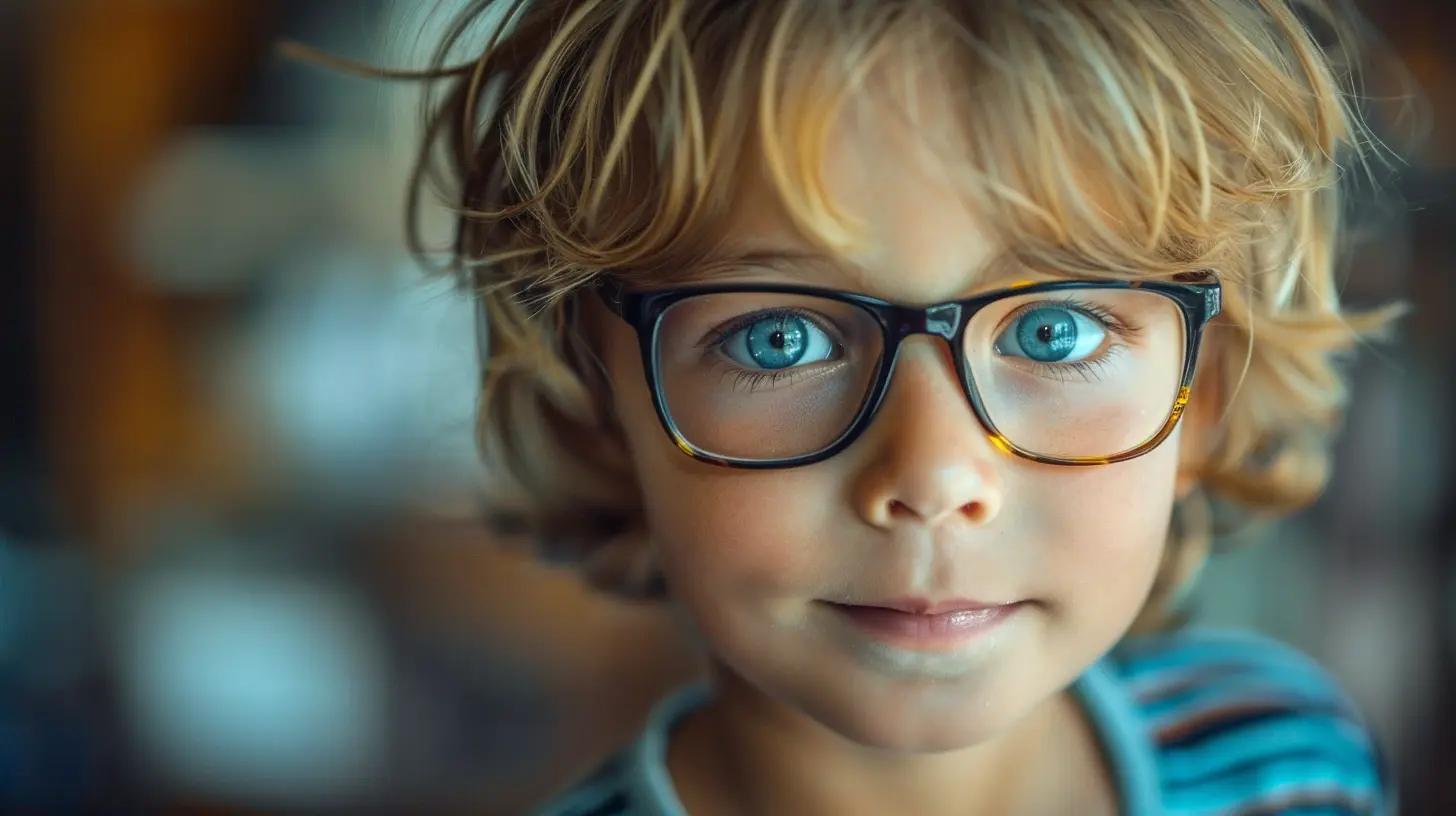
What Does “Uniqueness” Even Mean?
Before we start waving the “Be Yourself” banner, let’s define what we’re talking about.Uniqueness is that beautiful blend of quirks, talents, passions, and personalities that make someone truly one of a kind. It’s:
- The kid who talks nonstop about dinosaurs.
- The one who prefers reading to recess.
- The child who draws quiet masterpieces instead of kicking a ball.
Uniqueness isn’t always loud or flashy—it can be quiet confidence, a deep sense of empathy, or simply a different way of seeing the world.

Start With You: Modeling Self-Acceptance
Here’s a truth bomb: kids learn way more by watching us than listening to us.If we’re constantly criticizing ourselves—complaining about our looks, comparing ourselves to others, downplaying our talents—they’re going to soak that up like sponges. Want to raise a confident, self-accepting child? It starts at home.
Try this:
- Celebrate your quirks out loud. Got a weird laugh? Say, “My laugh is so loud—it’s awesome!”
- Talk about your passions, even if they’re not trendy. Love gardening more than Netflix? Share that excitement.
- Admit your imperfections without shame. “Oops, I made a mistake. That’s okay—it means I’m human!”
Let your kids see that being perfectly imperfect is not only normal but worth celebrating.
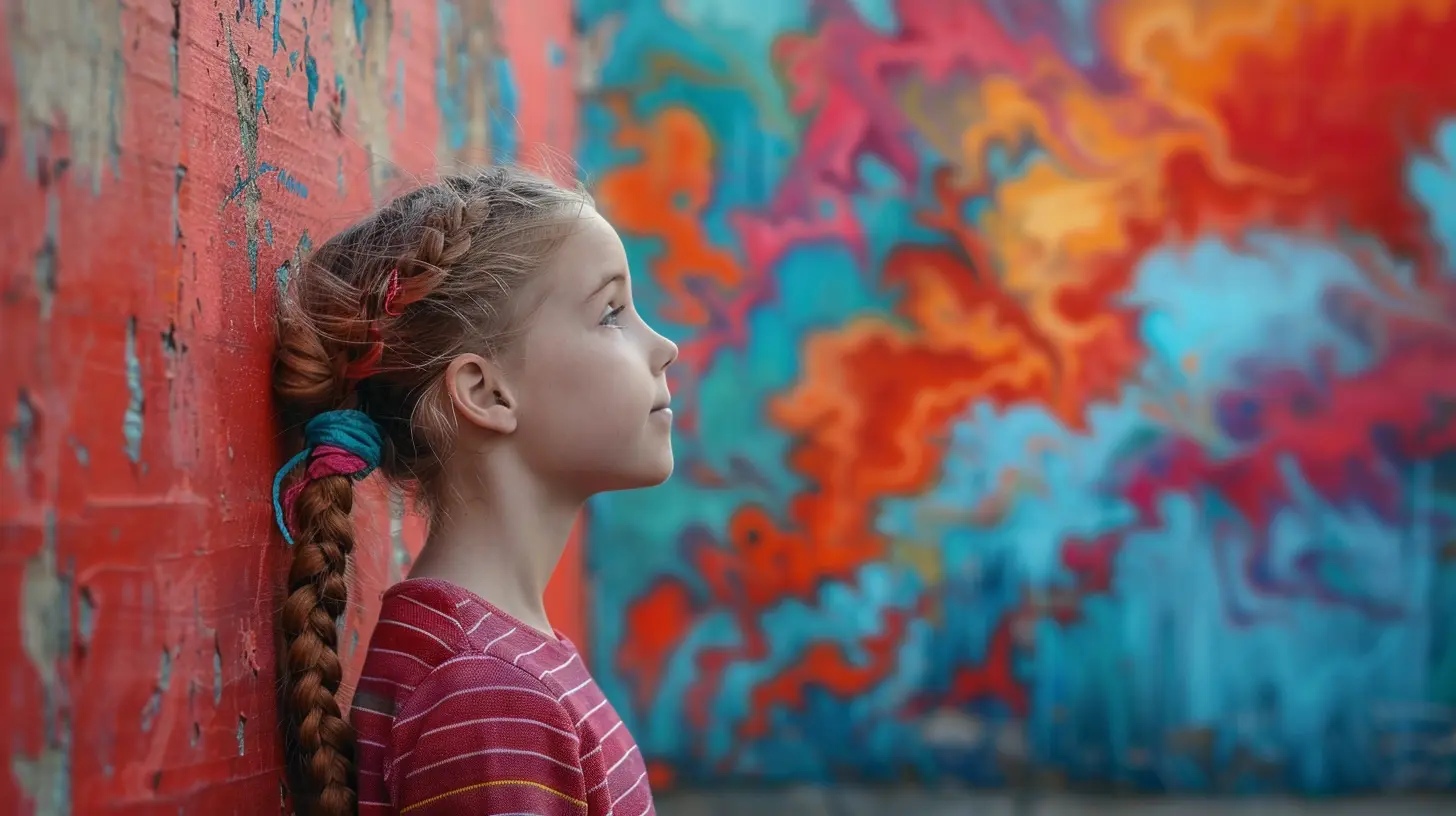
Celebrate Their Interests (Even If You Don’t Get Them)
Here’s where things get real. Your child might get obsessed with things that make absolutely zero sense to you. Minecraft, K-pop, insects, building cities out of cardboard boxes...You don’t have to love what they love, but show genuine interest.
Ask questions like:
- “What do you like most about this?”
- “Can you teach me how that works?”
- “What made you interested in that?”
This shows them that what they care about matters and that you’re paying attention. It validates their choices and makes them feel seen.
Affirm Their Differences, Don’t Minimize Them
It’s tempting to say things like, “Everyone feels that way!” or “It’s not a big deal,” when your child opens up about feeling different. But sometimes those words hit like a cold splash of water.Instead, try:
- “You’re right, that is different—and it’s pretty special.”
- “Wow, I hadn’t thought about it that way. That’s really unique thinking.”
- “That’s not something everyone does. I love that it’s your thing.”
Affirming their uniqueness tells kids: You being you is not only okay—it’s amazing.
Teach Them the Value of Their Voice
Let’s be honest, speaking up isn’t easy, especially in a world that often rewards “blending in.”Encourage your kids to speak their truth, even when it’s uncomfortable. That might be:
- Saying, “No, I don’t like that game.”
- Sharing their opinion in class, even if no one else agrees.
- Standing up for someone who’s being picked on.
You can reinforce this by asking them, “What do you think?” instead of “What did the others say?” Give them space to have their own opinions and teach them that it’s okay not to always follow the crowd.
Tackle the Comparison Trap Head-On
Kids are going to compare themselves to others—it’s human nature. And with social media now available at younger and younger ages, the pressure is real.Here’s one powerful trick: when your child compares themselves to someone else, flip the script.
Let’s say they say, "I wish I was as good at drawing as Alex."
You can gently remind them: "Alex is awesome at drawing. But hey, you’re amazing at building things—and not everyone can do that."
Help them understand that everyone has different strengths, and that’s what makes the world interesting.
You can even do a fun activity together: make a “Strengths Chart” where you both list what makes you different—and proud.
Teach the Beauty of Mistakes and 'Mess-Ups'
Perfection is a myth, but it sure does cast a long shadow.One of the best gifts you can give your child is the understanding that mistakes don’t make them broken—they make them real.
Encourage things like:
- Coloring outside the lines.
- Trying something even if they’re not “good” at it.
- Laughing at goof-ups rather than beating themselves up.
Use your own flubs as teaching moments. Spilled coffee? “Oops—guess I’m a little clumsy! Maybe I need a bigger cup tomorrow!”
Normalize the messy parts of being human.
Surround Them with Diverse Role Models
Representation matters. Kids need to see different kinds of people doing amazing things—people of all races, genders, abilities, body types, and backgrounds.Introduce them to:
- Books with diverse main characters.
- Movies featuring underdog heroes.
- Real-life trailblazers who championed their uniqueness (think Temple Grandin, Malala Yousafzai, Greta Thunberg, or Stephen Hawking).
These stories tell your child, “There’s no one right way to be amazing. You can be you and still change the world.”
Encourage Creative Expression
Art. Dance. Music. Dressing like a rainbow unicorn pirate on a Tuesday.Creativity is one of the purest ways kids express what’s inside. If we overly control or limit their creativity, we send the message that self-expression needs to be approved first.
So loosen the grip. Let them get messy. Let them be outrageous. Let them wear polka dots with stripes if it makes them grin.
Who knows? You might even find yourself joining in.
Help Them Find Their People
One of the hardest things about feeling different is feeling alone.Help your child connect with others who share their interests or values. This could mean:
- Signing them up for clubs or classes that align with their passions.
- Attending community events where diversity is celebrated.
- Encouraging playdates with kids who might also dance to their own beat.
Finding “their people” gives kids the message: “I’m not weird—I’m just uniquely part of something awesome.”
Say It. Over and Over and Over Again.
Here’s the kicker: even if your child seems confident and independent, they still need to hear it from you.Say things like:
- “I love how unique you are.”
- “You don't have to be like anyone else to be amazing.”
- “There’s no one else I’d rather have as my kid.”
Say it often. Say it when they’re hurting. Say it when they’re thriving. Say it when they’re curled up in bed half-asleep.
Because words matter. They sink in. And if you don’t fill their self-worth tank, someone else will—possibly with messages you don’t want there.
Wrapping It Up: Your Kid’s Uniqueness Is Their Superpower
Let’s remember: the world already has enough people trying to be someone else.What it needs more of? Kids (and adults!) who are courageous enough to be wildly, unapologetically themselves.
By teaching our children to embrace who they are, we’re not just helping them find confidence. We’re giving them the tools to light up the world in their own special way.
And isn’t that what parenting is all about?
So here’s to raising humans who wear their quirks like badges of honor, who know their worth without needing to prove it, and who walk through the world knowing they are exactly who they’re meant to be.
High-fives, warrior parents. You’ve got this.
all images in this post were generated using AI tools
Category:
Building ConfidenceAuthor:

Zelda Gill
Discussion
rate this article
1 comments
Stacey Webster
Love this perspective on celebrating our children's differences!
August 10, 2026 at 3:44 AM