Teaching Kids Empathy in a Changing World
20 August 2026
Every parent I talk to these days says the same thing in different ways: the world feels faster, louder, and more divided than it did when we were kids. Screens mediate most of our interactions. Political arguments spill into playgrounds. Global crises arrive on a phone screen before breakfast. In that environment, teaching empathy can feel like trying to plant a garden during a hurricane. But it is exactly the skill our children need most, not just to be kind, but to survive and thrive in a world that demands collaboration across every kind of difference.
Empathy is not a soft skill. It is a survival skill. And the good news is that it is not a fixed trait you either have or lack. It is a muscle, and like any muscle, it develops with the right kind of exercise. The problem is that many of us are exercising it the wrong way, or not at all, because we misunderstand what empathy actually is and how it grows.

What Empathy Really Is (And What It Is Not)
Before you can teach something, you need a clear picture of the target. Most people think empathy means feeling what someone else feels. That is part of it, but it is only the first layer. Psychologists generally break empathy into three distinct components, and each one develops differently in children.The first is cognitive empathy. This is the ability to understand another person's perspective, to see the world through their eyes without necessarily sharing their emotions. It is the "walk a mile in their shoes" skill. A child with strong cognitive empathy can explain why a classmate might be upset about a lost pet even if the child has never lost a pet themselves.
The second is emotional empathy. This is the felt response, the actual resonance with another person's emotional state. When your toddler cries because their friend is crying, that is emotional empathy. It is visceral and automatic, and it is the part that makes us feel connected to others.
The third is compassionate empathy, sometimes called empathic concern. This is the bridge between feeling and doing. It is what motivates a child to share a snack with a sad classmate or to stand up for someone being teased. Compassionate empathy is the action-oriented piece, and it is the one that matters most for real-world outcomes.
Here is where many parents go wrong. We tend to focus almost exclusively on emotional empathy, telling kids to "be nice" or "imagine how they feel." But a child can feel deep emotional empathy and still do nothing helpful. They might even feel so overwhelmed by the other person's pain that they shut down or lash out. What we actually need to cultivate is the full sequence: noticing, understanding, feeling, and then acting.
The other common misconception is that empathy is the same as agreement or sympathy. It is not. You can empathize with someone whose decision you completely disagree with. You can understand why a friend is angry at you without accepting that the anger is justified. Empathy is about accurate perception, not moral endorsement. Teaching this distinction early helps children use empathy as a tool for connection rather than a reason to abandon their own boundaries.

Why the Modern World Makes Empathy Harder
It is not just your imagination. The current environment really does create unique obstacles for empathy development, and acknowledging these obstacles is the first step to working around them.The biggest culprit is the sheer volume of information and emotional stimulation. A child today sees more faces, more suffering, more joy, and more conflict in a single hour of scrolling than a child in the 1970s saw in a month. The brain has a finite capacity for emotional processing. When you are bombarded with images of disaster, outrage, and need, something called compassion fatigue sets in. The child (and the adult) becomes numb as a protective mechanism. We cannot feel deeply for everyone, so we start feeling deeply for no one.
The second obstacle is the decline of unstructured, mixed-age play. Empathy is learned through practice, and the best practice is free play with kids who are not exactly like you. When children play without adult supervision, they have to negotiate, read facial expressions, interpret tone, and recover from misunderstandings. They learn that their friend is not actually mad, just tired. They learn that someone else's idea of fun is different from theirs. That is empathy training that no worksheet can replicate. But over the last few decades, free play has been replaced by structured activities, supervised playdates, and digital entertainment, all of which remove the messy, improvisational quality that builds social intuition.
The third obstacle is tribalism. Our social media algorithms and news cycles constantly sort people into us and them. Children absorb this framework even when we do not explicitly teach it. They hear adults talk about "those people" with disgust or fear, and they learn that empathy has limits, that it only applies to the in-group. This is the most dangerous misconception of all, because it turns empathy into a weapon of exclusion rather than a bridge.
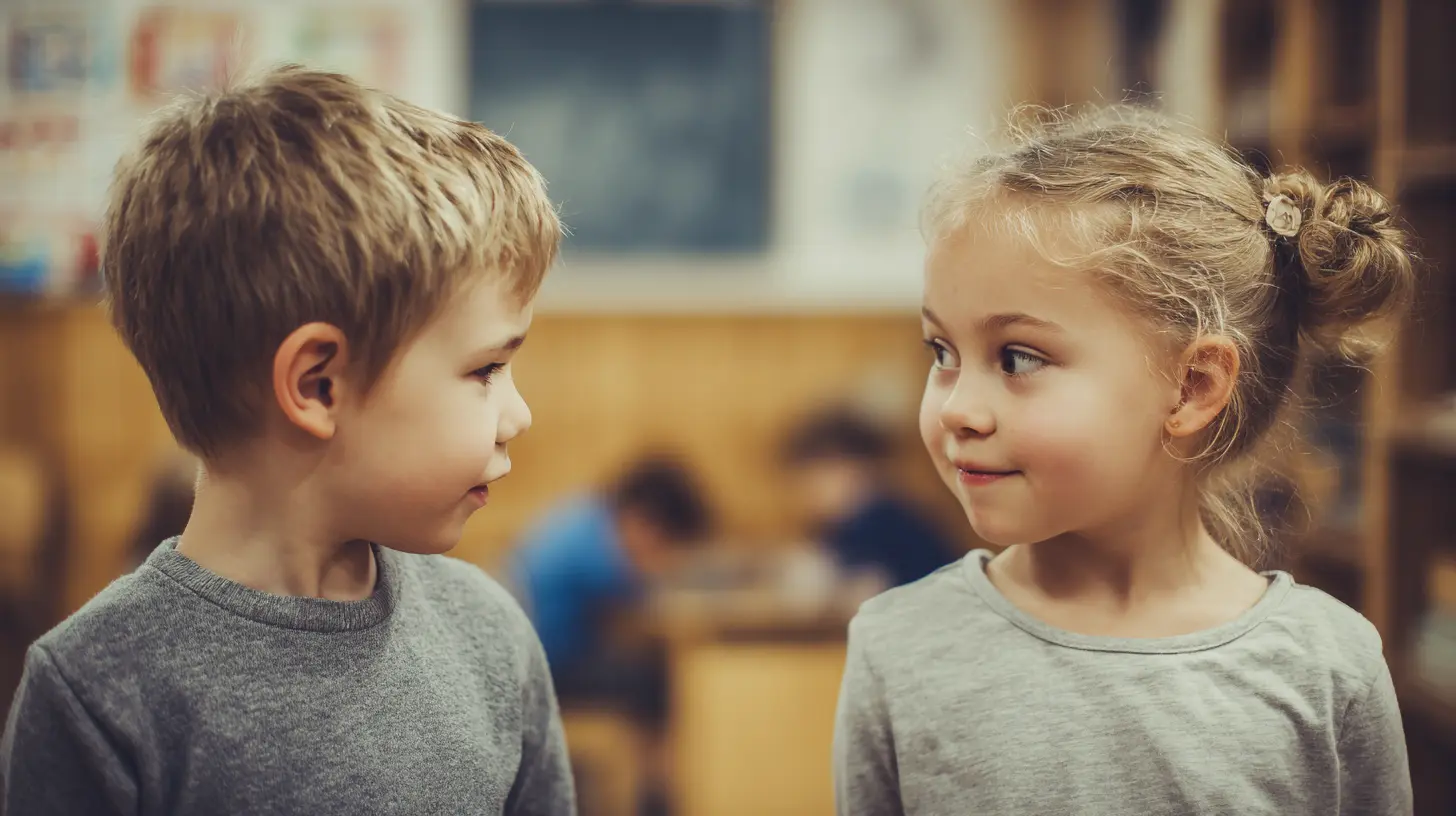
The Foundation: Empathy Starts in Infancy
You cannot teach empathy to a toddler through lectures. But you can lay the groundwork from day one, and the way you do it is through something called attunement. Attunement is the process of noticing and responding to your baby's cues. When your infant cries and you pick them up, when you mirror their smile, when you slow down to match their feeding rhythm, you are teaching them that their internal states matter and that other people can understand them.This sounds simple, but it is profound. A child who experiences attunement develops what psychologists call a secure attachment. They learn that the world is responsive, that their feelings are valid, and that connection is possible. From that secure base, they can later extend empathy to others. A child who does not experience attunement, whose cries are ignored or met with frustration, learns the opposite: that their feelings are burdensome and that other people are not to be trusted. That is a hard foundation to overcome later.
So the first practical advice is counterintuitive for many modern parents. Stop worrying about teaching empathy to your infant and start worrying about being emotionally present. Put down the phone when you feed them. Talk to them about what they might be feeling. Narrate their experience: "You are feeling frustrated because you cannot reach the toy." This labeling of emotions, even before they can understand words, builds the neural pathways for emotional awareness.
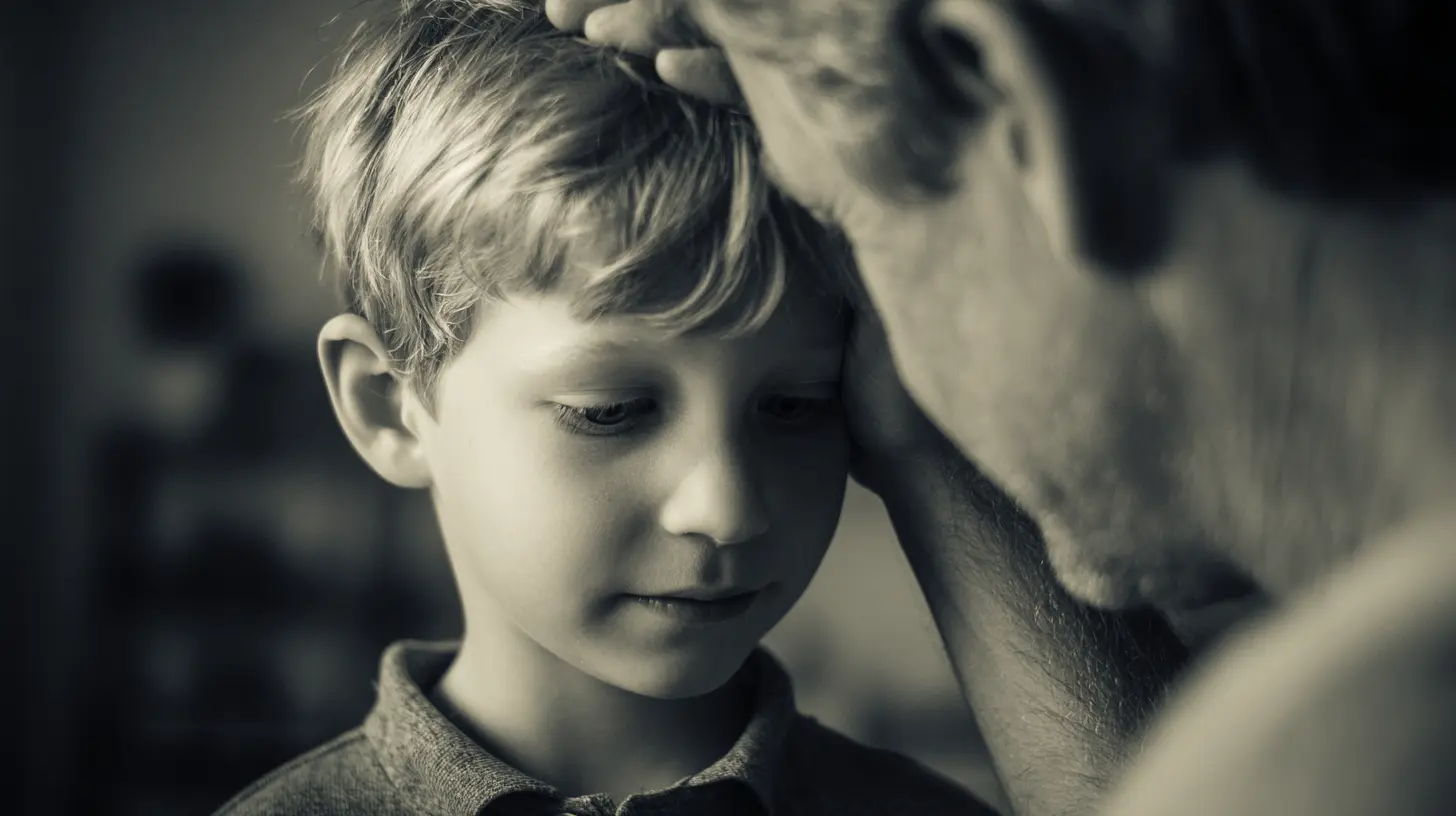
Modeling Empathy: The Most Powerful Teacher
Children learn more from what you do than from what you say. This is not a cliché; it is how the brain works. Mirror neurons fire when we watch someone else perform an action, and children are constantly absorbing your emotional responses as templates for their own.The practical implication is that you need to examine your own empathy habits. How do you talk about the cashier who is slow? How do you respond when a friend cancels plans? How do you treat a family member with differing political views? Your child is watching, and they are learning whether empathy is a value you actually practice or just a word you use.
One of the most powerful modeling opportunities is the apology. When you make a mistake, apologize to your child sincerely and specifically. Say, "I am sorry I yelled. I was frustrated, but it was not fair to take it out on you. I should have taken a break first." This does two things. It shows your child that even adults struggle with emotions and repair relationships. And it demonstrates that empathy includes self-awareness, recognizing your own impact on others.
Another modeling opportunity is in your media consumption. When you watch the news and a story about a refugee family comes on, do not just change the channel. Talk about what that family might be feeling. Wonder aloud about what you would need if you were in their situation. This turns passive media consumption into an active empathy exercise.
Practical Exercises for Different Age Groups
Modeling is essential, but it is not enough on its own. Children need direct instruction and practice. Here are age-appropriate strategies that actually work, based on how children develop at each stage.Toddlers and Preschoolers (Ages 2 to 5)
At this age, children are egocentric by nature. That is not a flaw; it is a developmental stage. They literally cannot fully understand that other people have separate minds and feelings. So your goal is not to make them selfless. Your goal is to help them notice others and to connect actions to feelings.The most effective tool is the "feelings check-in." When you read a picture book, pause and ask, "How do you think that character feels? Why do they feel that way? What could we do to help them?" This does not require the child to feel anything; it just requires them to observe and make inferences. Over time, this builds the cognitive empathy muscle.
Another powerful practice is to involve them in small acts of care. Let them help you make a card for a sick relative. Let them choose a toy to donate. Let them pour water for a plant that looks droopy. The key is to narrate the connection: "Look, Grandma smiled when she saw the card you made. You helped her feel happy." This links their action to an emotional outcome in another person.
One thing to avoid at this age is forcing apologies. When you force a toddler to say "sorry" before they understand what it means, you are teaching them that apologies are a magic word to escape punishment, not a genuine expression of regret. Instead, focus on repair. If they hit a playmate, help them bring an ice pack or a toy to the other child. That physical act of repair is more meaningful than a rote apology.
Early Elementary (Ages 6 to 9)
This is the golden age for empathy education. Children at this age have developed theory of mind, the ability to understand that others have beliefs and desires different from their own. They are also highly social and eager to understand rules of friendship.The best exercise here is perspective-taking through stories. Read books or watch shows with moral complexity, and then discuss them deeply. Ask questions like, "Why do you think the villain became mean? What might have happened to them?" This is not about excusing bad behavior; it is about understanding the roots of behavior, which is the essence of empathy.
Role-playing is also extremely effective at this age. Set up scenarios where your child has to navigate a social problem. For example, "Imagine your friend is sad because she was not invited to a birthday party. What would you say to her? What would you not say?" Let them practice both sides of the conversation. This builds the cognitive and compassionate components simultaneously.
Another practical tool is the "two-minute rule." When your child complains about someone, ask them to spend two minutes describing the situation from the other person's point of view. They can be as creative as they want. The goal is not to defend the other person, but to build the habit of considering multiple perspectives before judging.
Tweens and Young Teens (Ages 10 to 14)
This is where empathy gets harder, because the social landscape becomes more complex and the stakes feel higher. Peer approval becomes paramount, and the fear of being excluded can override natural empathic instincts. This is also the age where digital interaction starts to dominate, and digital communication strips away tone, facial expression, and body language, making empathy much harder to practice.The most important thing you can do at this age is to talk explicitly about the limits of empathy. Tweens are old enough to understand that you can empathize with someone and still set boundaries. They need to hear that empathy does not mean letting people walk all over them. In fact, empathy without boundaries leads to burnout and resentment, which ultimately kills compassion.
Teach them the difference between empathic listening and problem-solving. When a friend is upset, the natural tween impulse is to fix it or to minimize it. You can model and practice the skill of just being present. Say, "I hear you. That sounds really hard." Then stop talking. This is harder than it sounds, but it is the most valuable social skill they can learn.
For digital empathy, create specific guidelines. Before sending a message, ask them to read it out loud and imagine the tone. Encourage them to use video calls for emotionally charged conversations instead of text. Discuss how emojis and punctuation change meaning. And when they witness online cruelty, encourage them to practice what is called "digital upstanding," which means not just avoiding bullying, but actively supporting the target, even if it is just a private message of kindness.
The Role of Diversity and Discomfort
Empathy grows when we encounter people who are different from us. This is not a theory; it is a neurological fact. The brain creates more nuanced social maps when it is exposed to a wide variety of human experiences. Children who grow up in homogeneous environments, whether that is racial, economic, or ideological, tend to have less accurate empathy for people outside their bubble.This means you need to intentionally create encounters with difference. That does not mean forcing your child into uncomfortable situations. It means curating a rich environment. Travel, if you can, but also read books by authors from different cultures, eat foods from different traditions, and have conversations with people who hold different beliefs.
One of the most overlooked forms of diversity is neurodiversity. Children who understand that some classmates process sounds differently, or that some friends need more personal space, or that some people communicate without eye contact, are developing a more sophisticated form of empathy. You can teach this by discussing differences in brain wiring the same way you would discuss differences in hair color, with curiosity and respect.
Discomfort is part of the process. When your child says something awkward or offensive, resist the urge to shame them. Shame shuts down learning. Instead, treat it as a teaching moment. Say, "That comment might have hurt someone. Let us think about why." This keeps the child engaged rather than defensive.
Common Mistakes Parents Make
Even with the best intentions, parents often undermine empathy development without realizing it. Here are the most common patterns I see.The first is over-protection. When we rush to solve every problem for our children, we rob them of the chance to practice empathy. If your child has a conflict with a friend, do not immediately call the other parent. Let your child struggle with how to handle it. They will make mistakes, and those mistakes are the best teacher.
The second is emotional invalidation. When we tell a crying child to "stop being dramatic" or "shake it off," we are teaching them that their feelings are not important. And if their feelings are not important, then other people's feelings are not important either. Instead, validate first, then problem-solve. Say, "I see that you are really upset. That makes sense. Let us figure out what to do next."
The third is using empathy as a weapon. Some parents say things like, "How would you feel if someone did that to you?" as a way to shame the child into compliance. This backfires. It creates guilt and resentment, not genuine understanding. A better approach is to ask, "What do you think they were feeling?" which is a neutral question that invites reflection.
The fourth is inconsistency. If you are empathetic one day and dismissive the next, your child gets a confusing message. Empathy needs to be a stable value, not a mood-dependent response. This is hard, especially when you are stressed or tired. But consistency matters more than perfection.
The Trade-Offs and Nuances
It is worth being honest about the costs of empathy. High empathy is not always comfortable. Children who are highly empathic often absorb the emotions of others, which can lead to anxiety and exhaustion. They may be more easily manipulated by peers who exploit their kindness. They may struggle to make decisions because they feel pulled in many directions by other people's needs.This is why empathy must be paired with emotional regulation and self-awareness. Teach your child to notice when they are feeling overwhelmed by someone else's pain. Give them permission to step away and recharge. Help them understand that they are not responsible for fixing everyone's problems. Empathy is a connection tool, not a rescue mission.
There is also a cultural dimension to consider. In some cultures, empathy is expressed through direct emotional sharing. In others, it is expressed through practical help or through maintaining harmony. Neither is wrong. What matters is that your child understands the underlying intent and can adapt their expression to the context.
Another nuance is the difference between empathy and compassion. Empathy is feeling with someone. Compassion is the wish for them to be free from suffering, combined with action. Research suggests that compassion is more sustainable than pure empathy because it does not drain the caregiver as much. You can teach your child to move from "I feel your pain" to "I want to help you, and here is what I can do." That shift protects their mental health while keeping them connected.
Building a Culture of Empathy at Home
Individual exercises are useful, but they work best when embedded in a family culture that values empathy as a daily practice. Here are some ways to create that culture.Have a daily check-in where everyone shares one feeling from the day, not just the child, but the parents too. This normalizes emotional expression and shows that adults also have complex inner lives. You can make it a game: "What was one moment today when you felt happy, and one moment when you felt frustrated?"
Create family rituals around helping others. This does not have to be grand. It can be as simple as making a meal for a neighbor who is sick, or writing thank-you notes to community helpers. The key is to do it together and to talk about the impact.
Establish a "no shaming" rule for emotional expression. In your home, it is safe to be angry, sad, scared, or jealous. The behavior may need to be corrected, but the feeling is always accepted. This creates the psychological safety that empathy requires.
Finally, be honest about your own struggles. Let your child see you apologize, admit when you were wrong, and try again. This is the most powerful lesson of all: empathy is not about being perfect. It is about being willing to repair.
The Long Game
Teaching empathy is not a single conversation or a curriculum. It is a long-term investment that pays off in ways you may not see for years. The toddler who learns to notice a sad friend becomes the teenager who stands up for a bullied classmate. The child who learns to apologize sincerely becomes the adult who can repair a broken relationship. The tween who learns to listen without fixing becomes the colleague who makes others feel heard.In a world that often feels fragmented, empathy is the glue that holds communities together. It is the skill that allows us to disagree without dehumanizing each other, to solve problems that require cooperation, and to build relationships that sustain us through hard times. By teaching your child empathy, you are not just raising a kind person. You are raising a person who can navigate complexity, build bridges, and create a world that is a little more humane.
Start small. Start today. The next time your child is upset, resist the urge to fix it. Just sit with them and say, "I see you. I hear you. I am here." That is the foundation. Everything else builds from there.
all images in this post were generated using AI tools
Category:
Parenting InspirationAuthor:

Zelda Gill
Discussion
rate this article
1 comments
Dash Huffman
Teaching kids empathy is crucial, especially today. It cultivates understanding and kindness, helping them navigate a diverse and complex world.
August 21, 2026 at 4:41 AM