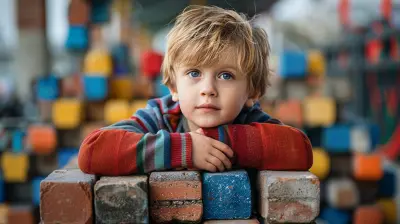
Sustainable Outdoor Activities: Teaching Kids to Respect Nature
26 June 2026
In today’s digital age, getting kids outside can feel like a battle. With screens competing for attention, nature often takes a backseat. But what if we could make outdoor activities not just fun but also meaningful? Teaching kids to respect nature through sustainable outdoor activities is one of the best gifts we can give them. It’s about nurturing curiosity, responsibility, and love for the environment—all while having a blast!
So, how do we make it happen? Let’s dive into some simple, engaging, and eco-friendly ways to get kids excited about the great outdoors. 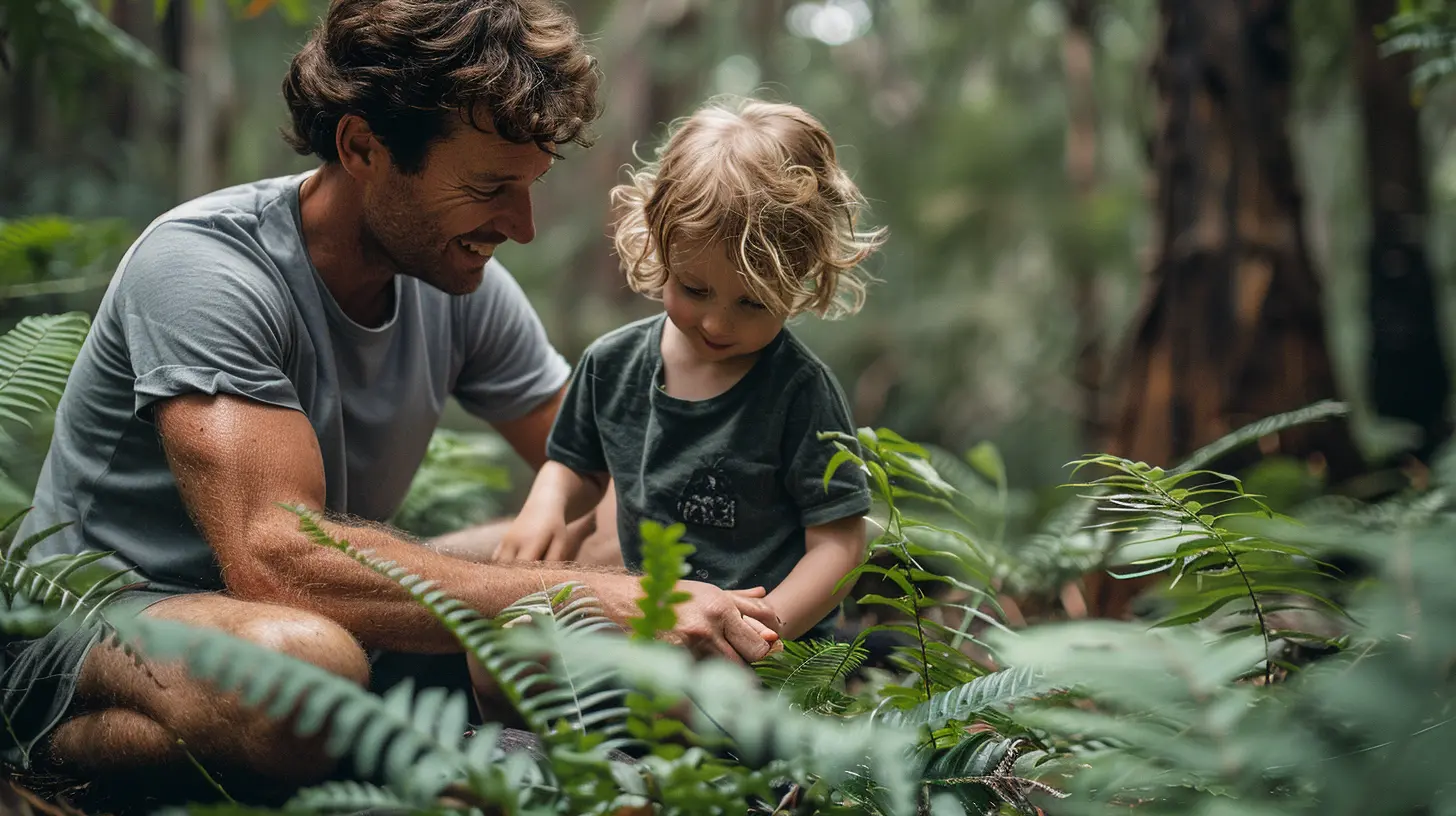
Why It’s Important to Teach Kids About Nature
Kids are naturally curious—and that’s a great thing. But without guidance, they might not realize how their actions affect the environment. Tossing a candy wrapper on the ground might not seem like a big deal to them, but multiply that by a thousand kids, and suddenly, we have a major pollution problem.Teaching children to respect nature isn’t just about keeping parks clean; it’s about building a lifelong appreciation for the environment. When they understand how their choices impact the planet, they’re more likely to grow into responsible adults who care about sustainability.
Not to mention, spending time outside has countless benefits—better physical health, improved mental well-being, and stronger family bonds. It’s a win-win! 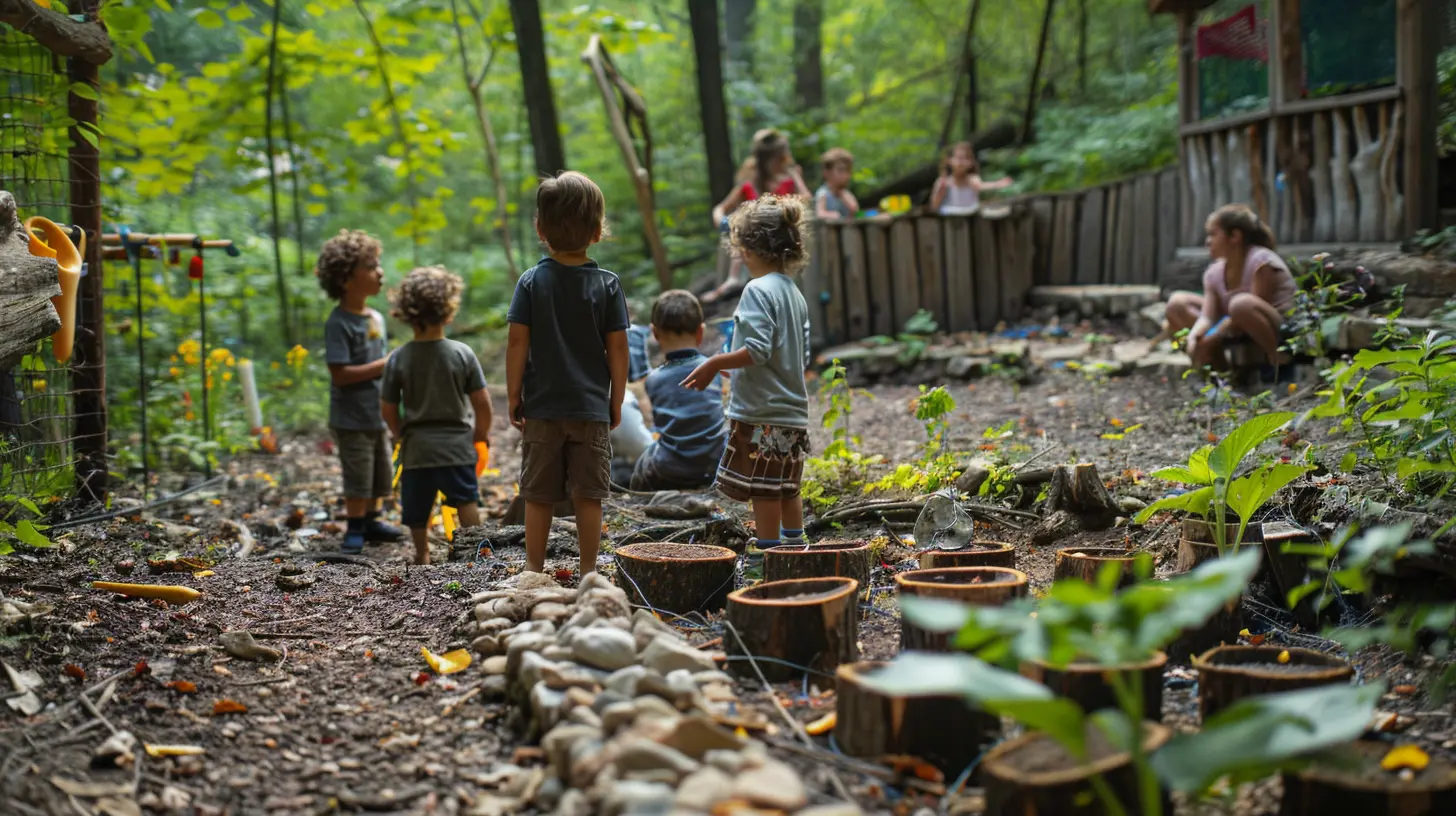
1. Go on a Nature Scavenger Hunt (With a Twist!)
Kids love scavenger hunts—it’s like a treasure hunt in their own backyard! Instead of just looking for random objects, turn it into a sustainability challenge.How to do it:
- Create a checklist of things like “a leaf that’s fallen naturally,” “a bird in a tree,” or “something that can be recycled.”- Avoid picking live plants or disturbing wildlife. Teach kids to observe without harming.
- Make it educational. Ask questions like, “Why do leaves change colors?” or “What do birds use to build their nests?”
This activity encourages mindfulness, observation skills, and an understanding of how nature works—all while keeping it fun! 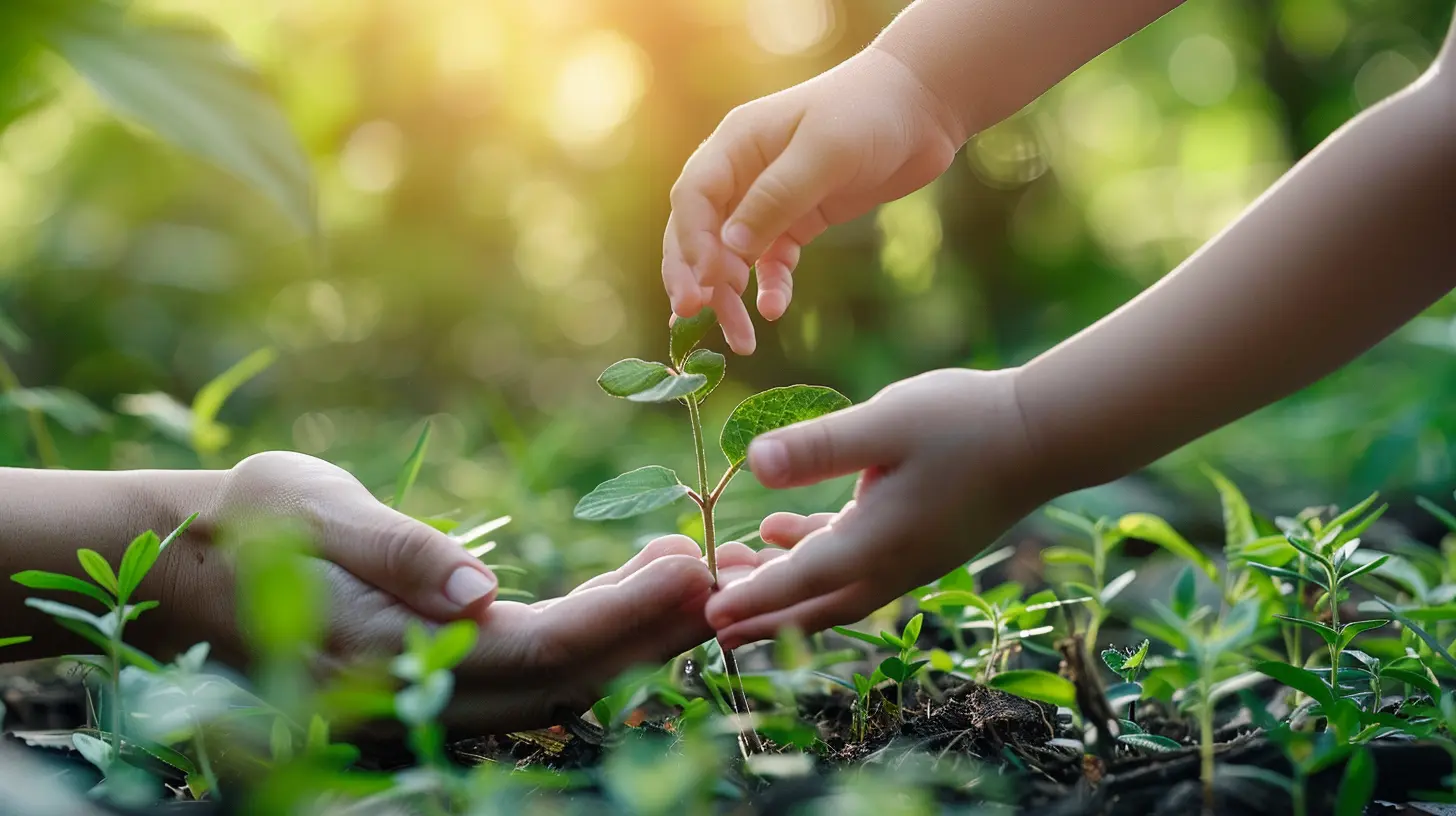
2. Plant a Mini Garden
Gardening is one of the best ways to connect kids with nature. It teaches patience, responsibility, and the importance of caring for the earth. Plus, they’ll love watching their plants grow from tiny seeds into real food or flowers!How to do it:
- Start small. A few pots on a balcony or backyard space will do.- Choose easy-to-grow plants. Try cherry tomatoes, basil, or sunflowers.
- Use compost. Show them how kitchen scraps can turn into soil for their plants.
- Make it routine. Watering and checking on the plants daily builds responsibility.
Gardening helps kids understand where their food comes from and why taking care of the earth matters. 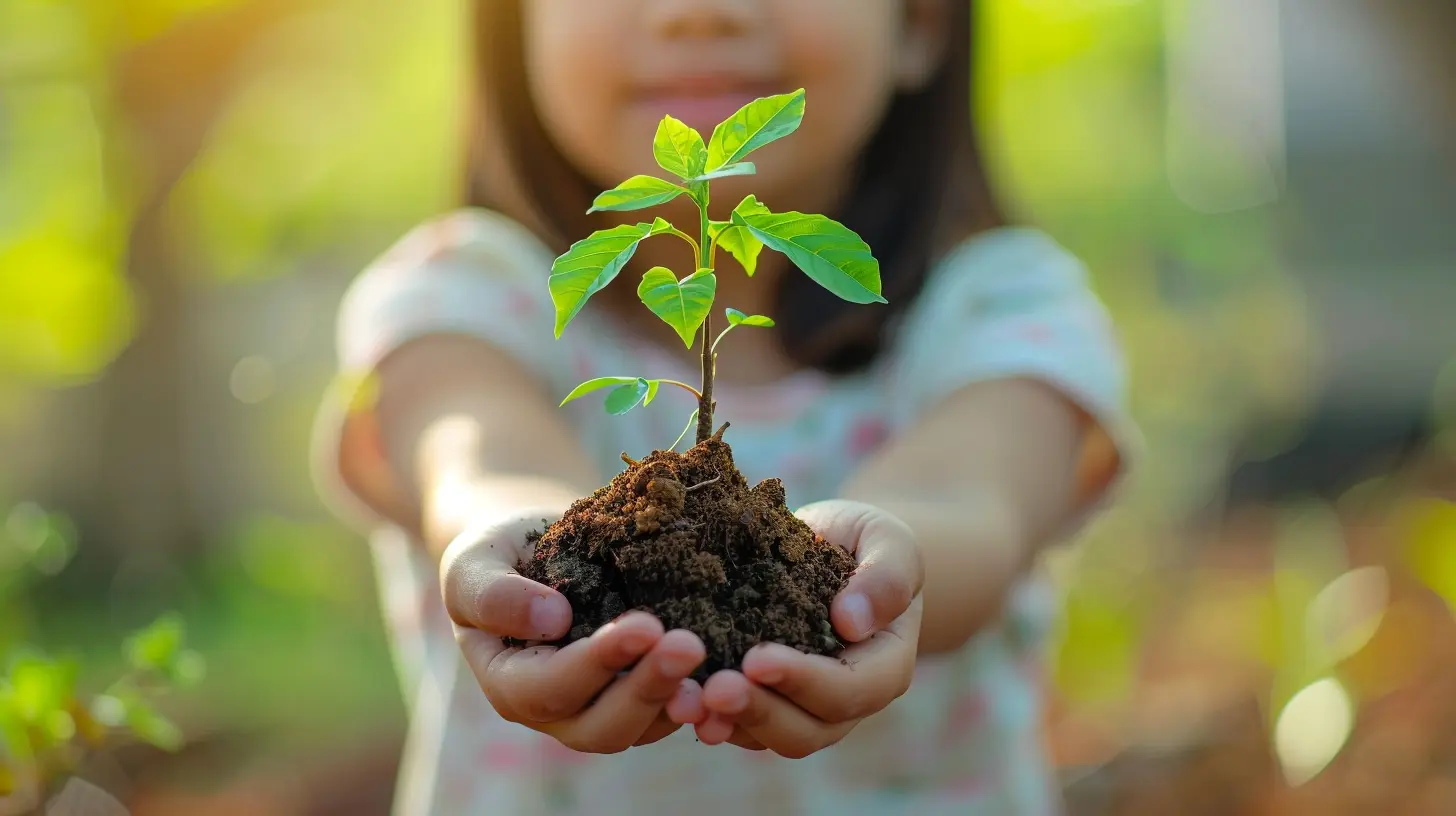
3. Organize a Family Clean-Up Day
Let’s be honest—picking up trash isn’t exactly glamorous. But when done as a family, it becomes a valuable lesson in responsibility and teamwork.How to do it:
- Pick a local park, beach, or hiking trail.- Arm everyone with gloves and biodegradable trash bags.
- Turn it into a challenge! See who can collect the most trash.
While cleaning up, talk about how long different materials take to decompose. For instance, plastic bottles can take up to 450 years to break down! This firsthand experience makes environmental impact more tangible for kids.
4. Build a DIY Bird Feeder
Encouraging kids to care for animals is another way to foster respect for nature. A homemade bird feeder is a simple, eco-friendly project that helps local birds while teaching children about wildlife.How to do it:
- Use recycled materials. An old milk carton, toilet paper roll, or a pinecone can work!- Coat it with peanut butter and roll it in birdseed.
- Hang it in a tree and observe. Encourage kids to note which birds come to visit.
This sparks curiosity about animals and helps them see how small actions can have a big impact.
5. Go on a “Leave No Trace” Camping Trip
Camping is a fantastic way to immerse kids in nature, but it’s also a great opportunity to teach them about leaving nature exactly as they found it.Simple “Leave No Trace” Rules to Teach:
- Pack out what you pack in. No littering, no exceptions.- Stay on trails. Avoid stepping on fragile plants.
- Respect wildlife. Observe animals from a distance—no feeding!
- Use biodegradable products. If washing dishes outdoors, use eco-friendly soap.
By making sustainability a core part of the experience, kids learn that enjoying nature comes with responsibility.
6. Make an Upcycled Craft Using Nature Finds
Kids love arts and crafts, so why not blend creativity with sustainability? Instead of buying new supplies, use items found in nature or repurpose household waste.Ideas to Try:
- Leaf printing with paint.- Rock painting to create story stones.
- Stick and twine picture frames.
- Nature-based mandalas using flowers, leaves, and pinecones.
These hands-on activities help children see that nature isn’t just something to look at—it can be part of their daily lives in creative ways.
7. Read Books About Nature and Sustainability
Stories have the power to shape young minds. Reading books about nature and the environment can reinforce what they’re learning through outdoor activities.Great Books for Kids:
- The Lorax by Dr. Seuss – A classic on why caring for the environment matters.- Compost Stew by Mary McKenna Siddals – A fun, rhyming book about composting.
- The Great Kapok Tree by Lynne Cherry – Teaches about rainforests and deforestation.
Reading these stories together sparks conversations and deepens their understanding of sustainability.
8. Try Eco-Friendly Hiking and Biking
Instead of driving to a nearby park, why not walk or bike there? Teaching kids to choose eco-friendly transportation is an important sustainability lesson.How to Make It Fun:
- Give them a “nature detective” mission. Encourage them to find animal tracks, unique plants, or cool rocks.- Log their discoveries in a nature journal. Drawing or writing about what they saw makes it more memorable.
- Pack zero-waste snacks. Use reusable containers instead of plastic bags.
It’s all about making sustainability second nature—literally!
9. Start a Wildlife Watching Journal
Kids love spotting animals, so why not turn it into an educational activity? A wildlife journal encourages them to observe and record nature responsibly.How to Get Started:
- Provide binoculars and a notebook.- Teach them to observe without disturbing.
- Encourage sketching and note-taking. Write down the date, location, and what the animal was doing.
Over time, they’ll recognize patterns in nature, like seasonal changes and migration habits.
Final Thoughts
Teaching kids to respect nature doesn’t have to be complicated. It’s all about making sustainability fun and relatable. When they understand that their actions have an impact—whether it’s picking up litter, planting a tree, or simply appreciating the beauty around them—they become more conscious of their role in protecting the planet.So, let’s ditch the screens for a bit, get outside, and raise the next generation of nature lovers, one sustainable adventure at a time!
all images in this post were generated using AI tools
Category:
Outdoor ActivitiesAuthor:

Zelda Gill
Discussion
rate this article
1 comments
Raina McGrady
Kids learn respect for nature best by exploring it themselves.
June 27, 2026 at 2:30 PM
Zelda Gill
I completely agree. Hands-on experiences in nature foster a deeper understanding and respect that no classroom can match.