Surviving Tantrums with a Smile (and Maybe a Giggle)
15 July 2026
Parenting is a wild ride, isn’t it? One minute, your sweet little angel is cooing in your arms, and the next, they're sprawled out on the floor, wailing like they've been personally betrayed by the universe. Toddler tantrums are inevitable, but that doesn't mean they have to break you. Believe it or not, you can survive these meltdowns with a smile—maybe even a giggle—if you have the right mindset and strategies in place.
Let’s dive in and figure out how to navigate tantrum territory with grace, patience, and just a little bit of humor! 
Understanding the Nature of Tantrums
Before you can effectively deal with tantrums, you need to understand them. Toddlers aren’t throwing fits to ruin your day (even if it feels that way). Their little brains are still developing, and they don’t have the emotional regulation skills that adults do. Imagine feeling frustrated, tired, or overwhelmed and having zero ability to express it properly—yikes!Why Do Tantrums Happen?
Tantrums usually boil down to a few key triggers:- Frustration - They can’t do something they want to do (or they can do it, but you told them no).
- Hunger or Tiredness - Even adults get cranky when they haven’t eaten or slept enough.
- Overstimulation - Too much noise, too many people, too much everything.
- Desire for Independence - They’re learning autonomy and don’t appreciate being told what to do.
- Lack of Communication Skills - Sometimes, they just can’t tell you what they need.
Once you recognize the why behind the tantrum, handling it becomes a little less daunting. 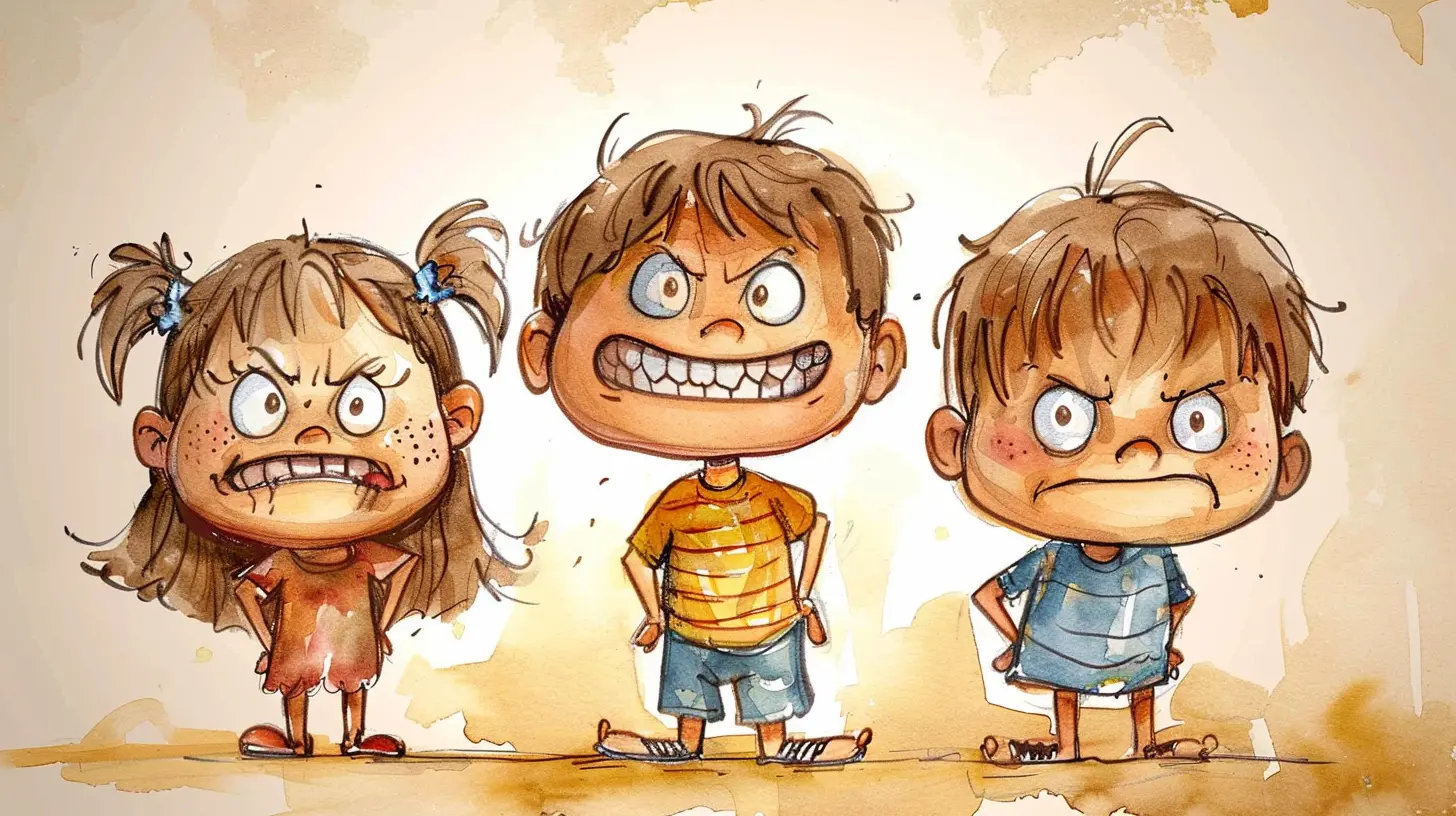
How to Keep Your Cool When Your Kid Loses Theirs
Alright, so your little one is mid-meltdown in the middle of Target. You can feel the judgmental stares of strangers burning into you. What now?1. Don’t Take It Personally
First things first—your child's tantrum is not a reflection of your parenting skills. Repeat that as many times as necessary. Toddlers have tantrums because they’re toddlers. It’s developmentally normal, not a sign that you’re doing something wrong.2. Stay Calm (Even When You Want to Scream)
Easier said than done, right? But losing your temper won’t help. If anything, it escalates the situation. Take deep breaths, count to ten, do whatever you need to do to stay chill. Your child takes cues from you—if you stay calm, it may help them calm down, too.3. Acknowledge Their Feelings
Imagine if you were having a rough day, and instead of listening, someone just told you to “calm down.” Frustrating, right? Toddlers want to be heard, just like we do. Try using phrases like:- “I know you’re upset because you really wanted that toy.”
- “It looks like you’re feeling frustrated right now.”
Sometimes, just recognizing their emotions can help them feel understood and start to cool off.
4. Use Humor (When Appropriate)
If the timing is right, humor can work wonders. A goofy face, a silly voice, or a playful distraction can sometimes snap them out of their fit. Just be mindful—if they’re in full-blown rage mode, cracking a joke might backfire. But if it’s a borderline meltdown, laughter can be a great reset button.5. Give Them Choices
Kids love control. When reasonable, give them options! Instead of saying, "Put on your shoes now," try, "Do you want to wear your red shoes or your blue ones?" Giving them a sense of ownership in decision-making can prevent a power struggle.6. Use the Power of Distraction
Toddlers have the attention span of goldfish. Take advantage of that! Instead of engaging in a battle of wills, redirect their attention to something else:- “Wow, did you see that big truck outside?”
- “Can you help me find the apples?”
- “Hey, let’s sing your favorite song together.”
A well-timed distraction can defuse the situation before it escalates. 
When Tantrums Happen in Public
Nothing tests your patience like a child melting down in the middle of a grocery store. It's embarrassing. It's stressful. And it makes you want to abandon your cart and sprint for the exit. Here’s how to handle it without losing your sanity:1. Ignore the Glares
Strangers will judge no matter what you do. Some will sympathize, some will roll their eyes. Who cares? Their opinions don’t matter, but your child’s emotional well-being does.2. Remove Your Child if Needed
If they’re truly inconsolable, sometimes the best thing you can do is walk away from the chaos. Step outside, take a break, and let them work through their emotions in a calmer space.3. Have a Plan Before You Go
If you know your toddler is prone to freak-outs, set them up for success:- Bring snacks.
- Plan outings when they’re well-rested.
- Keep a small toy or book handy for distractions.
A little preparation can save you a lot of stress. 
The Aftermath: Teaching and Moving On
Once the storm has passed, don’t dwell on it. Tantrums are just a phase. But they can be learning experiences too!1. Talk About It Later
When they’re calm, have a conversation (in simple terms) about what happened. Try something like:"I noticed you got really upset earlier when we had to leave the park. Next time, how about we set a timer so you know when it’s almost time to go?"
This helps them process their emotions and start learning coping strategies.
2. Praise the Good Moments
Look for opportunities to praise positive behavior:"You waited so patiently in line today! That was awesome!"
Kids thrive on positive reinforcement, and the more you highlight their successes, the more likely they are to repeat them.
3. Don’t Hold a Grudge
Toddlers live in the moment. They’ve likely forgotten about their meltdown five minutes after it ended. Follow their lead—don’t hold onto it either. Tomorrow is a new day!Final Thoughts
Tantrums are part of the parenting package, like dirty diapers and stepping on Lego bricks. But you can survive them with a little patience, a few deep breaths, and maybe even a laugh.Remember: This phase won’t last forever. One day, you’ll look back and (hopefully) laugh at the time your child had a full-blown meltdown because their banana broke in half. Until then, breathe, stay calm, and know that you’re doing an amazing job.
all images in this post were generated using AI tools
Category:
Parenting With HumorAuthor:

Zelda Gill
Discussion
rate this article
1 comments
Vanta Henderson
I wonder how humor can truly help in those chaotic moments... any tips for staying lighthearted?
July 31, 2026 at 3:29 AM
Zelda Gill
Humor is a great way to diffuse tension. Try making silly faces, cracking jokes, or turning a situation into a game. Laughter can lighten the mood and make chaos feel a bit more manageable.