Self-Care for Kids: Teaching Balance and Self-Confidence
24 July 2026
When we think of self-care, our minds often go straight to scented candles, a hot bath, or journaling in a quiet corner. But what if I told you self-care isn’t just for adults? Yep, kids need it too. In fact, teaching your child how to take care of themselves—physically, emotionally, and mentally—is one of the greatest gifts you can give them.
Self-care for kids isn't just about bubble baths or screen-free time (although those help!). It's about helping them build the foundations for a happy, balanced life—one where they know how to manage stress, speak up for themselves, and believe in who they are.
So, let’s roll up our sleeves and chat about teaching self-care, balance, and self-confidence to kids. Parenting's a wild ride, but equipping your child with these tools makes the journey a whole lot smoother.
Why Self-Care Matters for Kids
You might think kids don't really need self-care. They're young, energetic, and have fewer responsibilities, right? But childhood isn’t as carefree as it looks. From the pressure to perform in school to navigating friendships and emotions, kids carry mental and emotional loads that are often overlooked.Just like adults, children need tools to manage their emotions and reset when things get overwhelming. Self-care helps kids:
- Develop emotional intelligence
- Set healthy boundaries
- Handle stress or disappointment better
- Build self-respect and confidence
Think of self-care as planting seeds. The earlier you start, the deeper their roots grow.
Recognizing the Signs That Your Child Needs More Balance
Kids don’t always say, “Hey, I'm overwhelmed!” Instead, stress shows up in sneakier ways. Here are a few signs your child might be needing some self-care and balance:- Sudden mood swings or irritability
- Trouble sleeping
- Clinginess or withdrawal
- Drop in academic performance
- Constant complaints of feeling “bored” or “tired”
If you see these signs, don’t panic. It doesn’t mean you’re failing—it just means they might need a little help processing everything going on.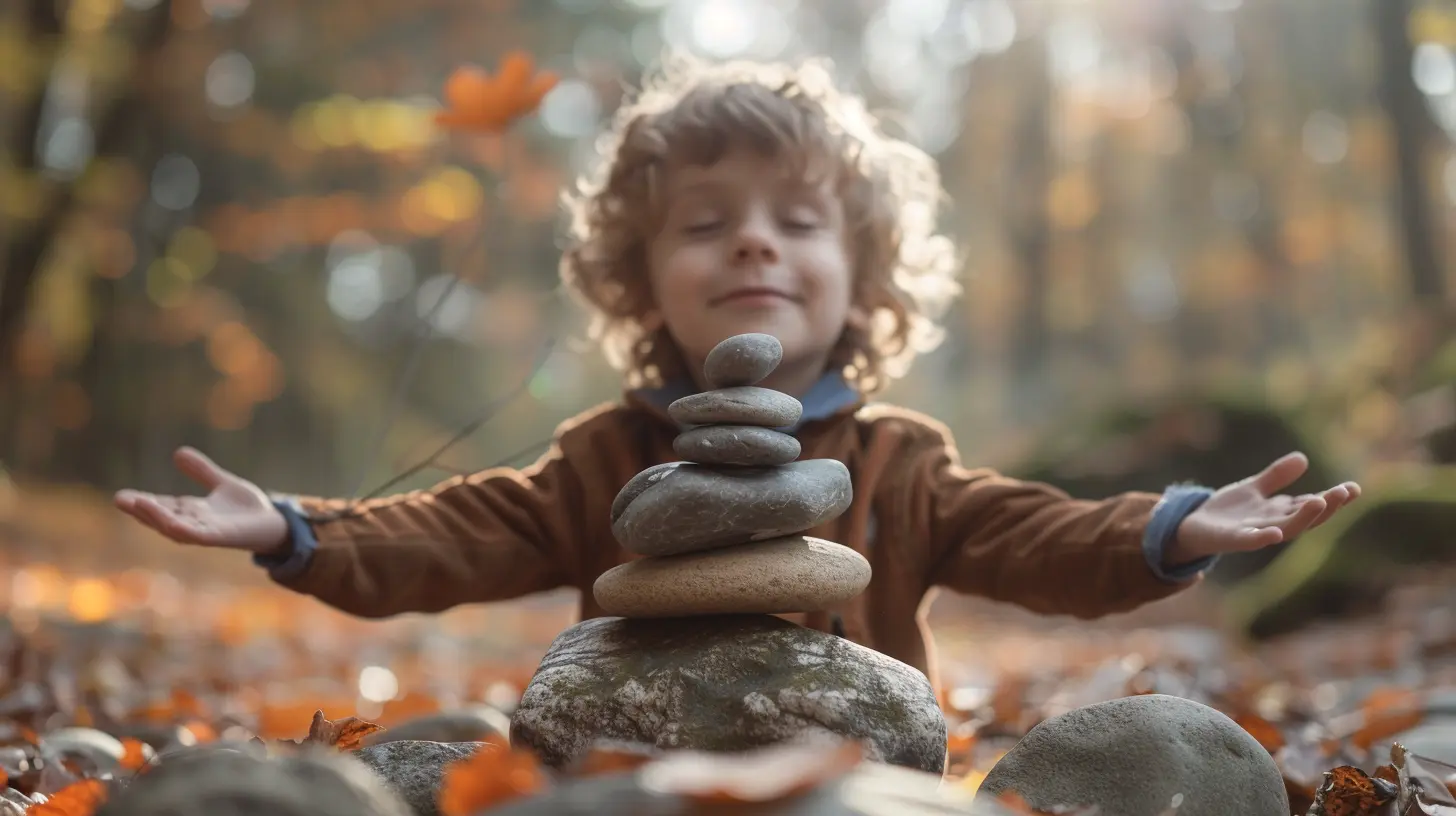
Start with Modeling: Be the Example
Here’s the truth: Kids are sponges. They soak in way more than we realize, especially by watching their parents. If you're constantly running around, never stop to breathe, and react with stress, your child picks up on that.Want to teach self-care? Start by practicing it yourself. Let them see you taking breaks, reading a book for fun, or saying "no" to something because you need rest. Even better—do some of your self-care activities together. It teaches them self-care isn’t selfish; it’s essential.
Practical Self-Care Habits for Kids
Let’s get into the nitty-gritty. What does self-care look like for young kids and even preteens? It doesn’t have to be complicated or fancy. In fact, simple daily habits go a long way.1. Sleep: The OG Self-Care
Ever seen a cranky toddler after skipping a nap? Sleep is the base of all things good—mood, focus, energy. Make sure your kiddos are getting enough rest. Build a calming bedtime routine: think reading together, soft music, and screen-free wind-down time.2. Nutrition: Food That Fuels the Body and Brain
It's not just about “eat your veggies” (though that matters!). Encourage balanced meals and let them be part of the grocery or cooking process. That way, they learn how food choices affect how they feel—energetic or sluggish, focused or distracted.3. Movement: Fun Over Fitness
You don’t need to sign them up for a gym membership. Kids need movement, but it should feel like play. Kick a ball around, dance in the living room, go on nature walks. Anything that gets the blood pumping and boosts those feel-good endorphins.4. Quiet Time & Mindfulness
This one’s huge. Kids are bombarded with noise all day long—TVs, devices, school, and sibling chaos. Teach them how to be still.Try this:
- Set a timer for 5 minutes of quiet play or deep breathing
- Use guided kid-friendly mindfulness apps
- Practice gratitude with a bedtime “3 good things” routine
The goal isn't to turn them into little monks—but to help them check in with their emotions and become more self-aware.
Teaching Balance: Schedules Without Stress
Balance is about knowing when to go and when to pause. One of the biggest mistakes parents make (myself included!) is over-scheduling. Soccer practice, piano lessons, tutoring, play dates... it all adds up.Here's how to strike a balance:
Let Them Have Downtime
It’s tempting to fill every moment with enrichment, but boredom isn't the enemy. Boredom breeds creativity. Let them have unstructured time—it helps them listen to their inner voice and discover what they truly enjoy.Teach the Power of “No”
Even kids need to know it’s okay to say, “That’s too much.” Maybe they don’t want another extracurricular. Maybe they need a weekend without plans. Help them learn how to honor their limits, and more importantly, help them feel safe expressing it.Set Routines (But Keep Them Flexible)
Structure helps kids feel safe, but too much of it can feel robotic. Try to keep a rhythm to the day: school time, play time, rest time. But if they’re having a hard day, be open to dancing in the rain instead of doing math homework right away.Boosting Self-Confidence: Helping Them Own Their Worth
Ah, confidence—the golden ticket to navigating life with courage. But here’s the thing: confidence doesn’t come from being perfect. It comes from knowing you're enough, even when things get messy.Let Them Make Decisions
Giving your child the reins (even just a little) helps them feel capable. Let them choose what outfit to wear (even if it’s mismatched), what snack to eat, or how to spend their weekend afternoon. Decision-making builds trust in their own judgment.Praise Effort, Not Outcome
Instead of:> “You’re so smart!”
Try:
> “I noticed you really stuck with that puzzle, even when it got hard. That’s awesome perseverance!”
When you focus on their effort, you’re teaching them resilience—and that their worth isn’t tied to getting things “right.”
Create Opportunities for Success
Set them up to shine. That could mean asking them to help you cook, build a birdhouse, or lead a family game night. When kids feel useful and successful, self-confidence gets a big ol’ boost.Encourage Positive Self-Talk
This one takes time, but it’s powerful. If your child says, “I’m bad at drawing,” you might reply, “You’re learning! Everyone starts somewhere.” Help them reframe negative thoughts into kinder ones. Their inner voice becomes their lifelong cheerleader.Handling Mistakes: The Secret Sauce of Growth
Life's messy. Kids will mess up. And that’s good. Seriously. Mistakes are where the magic happens.Teach them:
- It’s okay to fail
- Perfection is a myth
- Every mistake is a chance to learn something new
When they spill juice or forget homework, avoid shaming. Instead, guide them through the process of fixing it and figuring out how to handle it better next time. That’s real growth.
Connecting With Their Emotions
Helping kids recognize and name their feelings is a huge part of emotional self-care. Instead of saying, “You’re fine,” when they’re upset, try:> “Looks like you’re feeling frustrated. Want to talk about it?”
Create a space where emotions are welcomed, not brushed off. Teach them emotion words—sad, worried, excited, proud, nervous. The more they can name their feelings, the better they’ll manage them.
Making Self-Care Fun and Engaging
Self-care doesn’t have to be boring or feel like another “lesson.” Make it engaging! You can:- Create a DIY “calm down” box with fidget toys, stress balls, and coloring pages
- Start a journal tradition—write together and share silly entries
- Use sticker charts (yes, even for big kids!) to reward self-care habits
- Have “mental health days” where they choose whatever fills their cup
The point here isn’t to micromanage their every move but to make self-care a normal, joyful part of life.
Encouraging Open Conversations
If there’s one thing I’ve learned as a parent, it’s this: open communication is everything. Your child will face rough patches. What matters most is that they know they can come to you—no judgment, no lectures, just love and space to talk.Ask open-ended questions like:
- “What made you laugh today?”
- “Did anything feel hard today?”
- “What’s something you’re proud of this week?”
When you show them that their thoughts matter, you’re building emotional safety—the bedrock of confidence and self-care.
Final Thoughts
Self-care for kids isn’t just a trend or a feel-good campaign—it’s a life skill. One that sets the foundation for emotional stability, happiness, and resilience. When we prioritize our kids’ well-being and teach them to slow down, speak up, and show themselves kindness, we’re raising not just healthy children—but future adults who know how to thrive, not just survive.Remember, self-care doesn’t have to be perfect. It just has to be present.
So, go ahead—snuggle in, breathe deep, and start teaching your child how to take care of the most important person in their life: themselves.
all images in this post were generated using AI tools
Category:
Building ConfidenceAuthor:

Zelda Gill
Discussion
rate this article
1 comments
Corin McCarty
This is such an important topic! Teaching kids about self-care empowers them for life. Balance and confidence start young!
July 27, 2026 at 3:14 AM