Screen Time for Toddlers: Finding a Healthy Balance
1 May 2026
Let’s be real—screens are everywhere. Phones, tablets, TVs, laptops… even the fridge has a screen now! As parents, we’re constantly juggling ten tasks at once, and sometimes, it’s just way too tempting to hand over the tablet for those few golden minutes of peace. Sound familiar? Yeah, same here.
But here's the thing: screen time for toddlers is a hot topic for a reason. We all want what’s best for our little ones, and striking the right balance between screen time and real-world play isn’t easy. That said, it’s 100% possible—and we’re going to unpack how to do it in a way that feels realistic, not rigid.
Why Screen Time Matters for Toddlers
The Good, The Bad, and The Surprisingly Okay
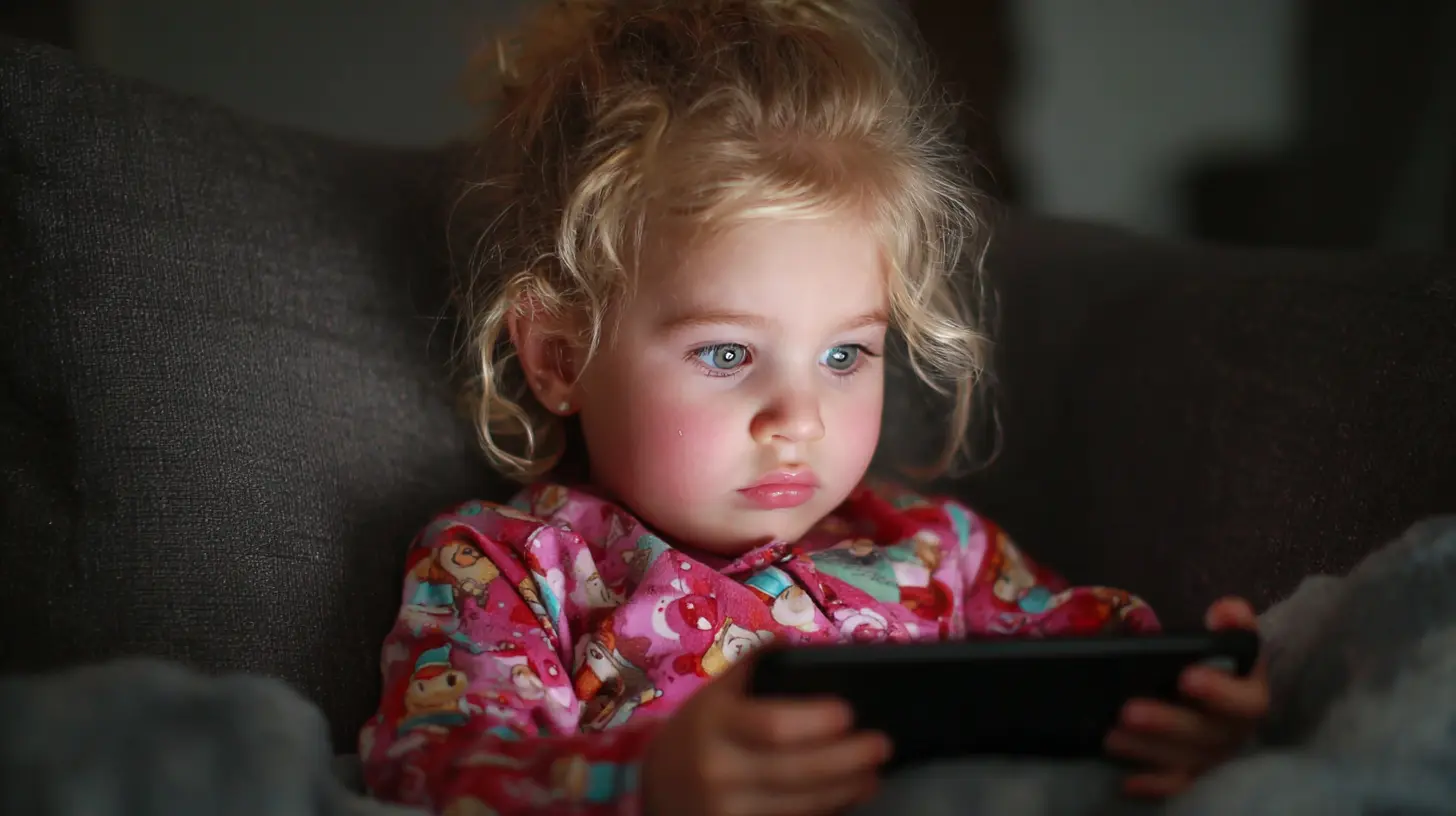
Let’s not jump straight to panic mode—screen time isn’t the villain here. Like most things in parenting (and life), it comes down to how and how much.On the plus side, high-quality, age-appropriate content can actually be educational. Think of interactive shows that teach counting, colors, or basic words. When used in moderation, screens can act like modern-day picture books—with animation and music thrown in for fun.
But here's the rub: excessive or unmonitored screen use, especially at toddler age (1–3 years), can lead to issues with sleep, language development, attention span, and even emotional regulation.
That said, the goal isn’t zero screen time. It’s about creating balance. Think of screen time as candy—not necessarily bad, but too much and you’ve got a stomachache and a grumpy toddler.

Understanding the Recommendations
The American Academy of Pediatrics (AAP) gives us a solid starting point:- Under 18 months: Avoid screen time completely—except for video chatting.
- 18 to 24 months: You can introduce digital media, but it should be high-quality and you need to watch it with your child.
- 2 to 5 years: Limit screen use to one hour per day of high-quality programming, again co-viewing encouraged.
Sounds simple, right? But in reality, it often feels like another parenting puzzle.
Let’s look at how we can actually apply this in our day-to-day lives.

The Modern Parenting Dilemma
We’re raising kids in a digital age. Screens aren’t just entertainment—they’re communication tools, educational resources, and sometimes, downright lifesavers. If you’ve ever needed to keep your child still in a waiting room or distract them during a diaper change, you know what I mean.So instead of beating ourselves up for using screens, let’s focus on using them intentionally. That means making thoughtful choices about when, what, and how our toddlers interact with screens.
Let’s break it down.
Choosing Quality Over Quantity
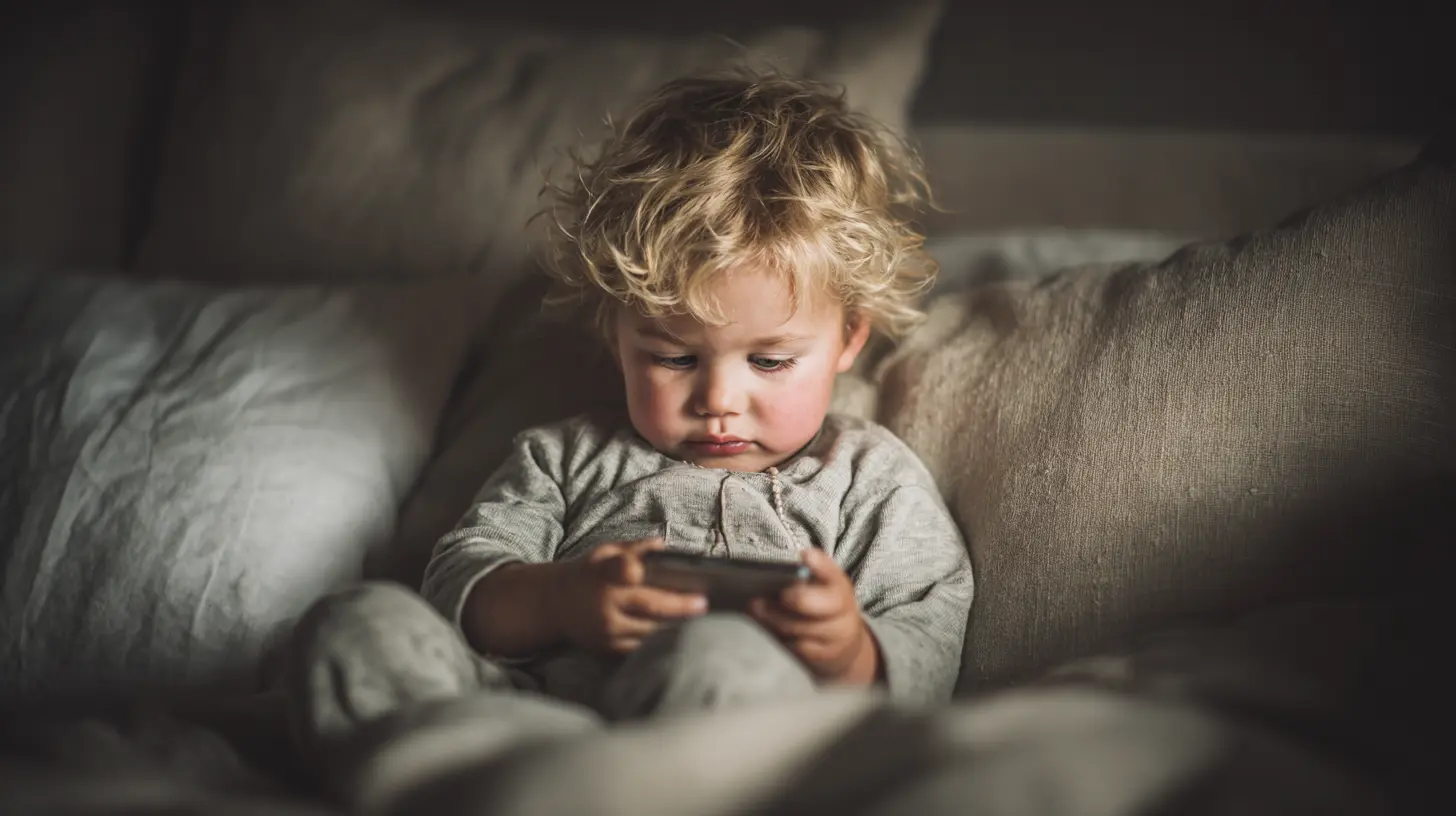
Not all screen time is created equal. Ten minutes of mindless scrolling through loud, overstimulating content is not the same as ten minutes of reading an interactive digital book together.What Counts as High-Quality?
Here are a few indicators of worthwhile content:- Educational goals are clear and age-appropriate.
- Characters model kind, respectful behavior.
- Simple storylines that support comprehension.
- Limited distractions (avoid fast cuts, loud noises, or flashing lights).
- Encourages off-screen interaction (asks questions, gives prompts).
Great Examples
- Sesame Street: Still a classic for a reason.- Daniel Tiger’s Neighborhood: Emotional intelligence in action.
- Super Simple Songs on YouTube: Short, catchy, and developmentally on point.
- Khan Academy Kids: Interactive and backed by research.
Use screen time as a launching pad for real-life learning. Watch a show about animals, then go outside and spot birds together. Connect the dots.
Co-Watching: Why It Matters
Here’s a little parenting truth that many of us forget—toddlers are learning all the time. They don’t just absorb what’s on the screen; they learn from how we react to it too.That’s why co-viewing is so important. When you sit and watch with your toddler, you’re not just monitoring the content. You’re helping them understand what they’re seeing, asking questions, pointing things out, reinforcing vocabulary, and turning a passive activity into an engaging one.
Think of it like reading a book. You wouldn’t just hand them a story and walk away, right? (Well, not usually!) You sit down, read it aloud, make silly voices, and help them process it. Do the same with screens.
Setting Boundaries Without Meltdowns
Let’s face it—taking a device away from a toddler is like defusing a bomb. The tantrums, the tears, the drama! But setting boundaries is essential, and with consistency, it actually gets easier.Tips for Setting Screen Limits:
1. Create a routine: Establish “screen time” as part of the day (e.g., after nap, but before dinner). Predictability = less pushback.2. Use timers: Set a visual timer (or a kitchen timer) so your child knows when screen time is over. It’s not you being mean—the timer said so!
3. Give transitions: Warn them in advance (“You can watch for 5 more minutes, then we’re going to play with blocks.”)
4. Follow screen time with a favorite activity: Make the transition easier by offering something they love—snack time, a walk, or cuddle time with a book.
5. Model your own screen habits: Toddlers mimic what they see. If you’re always on your phone, they’ll want to be too.
What to Do Instead of Screens
Here’s the million-dollar question: if not screens, then what?Luckily, toddlers are naturally curious and everything is new and exciting to them. It’s all about giving them opportunities to explore.
Alternative Activities:
- Free play: Let them build, stack, pretend, and problem-solve.- Art time: Crayons, paint, stickers—they’ll make a mess, but also a masterpiece.
- Reading time: Board books with bold pictures are toddler gold.
- Outdoor play: Nature is the ultimate sensory experience.
- Sensory bins: Rice, pom-poms, pasta—simple but captivating.
- Music and dance: Put on some tunes and shake those wiggles out.
You don’t need fancy toys or elaborate crafts. Toddlers are thrilled by bubbles, boxes, and banging on pots with wooden spoons. Trust me.
Recognizing Red Flags
Sometimes, screen time might be masking underlying issues. If you notice any of the following, it might be time to reassess:- Meltdowns every single time the screen is turned off.
- Disinterest in playing, reading, or interacting when the screen is gone.
- Delayed speech or communication skills.
- Difficulty focusing or completing simple tasks.
Don’t panic—but do reflect. A conversation with your pediatrician or a child development expert can help you make a tailored plan.
Screen Time and Family Bonding
Believe it or not, screen time doesn’t have to be isolating. In fact, it can be part of quality family bonding if you do it together. Movie nights with popcorn and PJs, dance parties on YouTube, or even making silly family videos can create memories and laughs.Use screens as a tool to connect, not disconnect.
Final Thoughts: It's All About Balance
At the end of the day, you don’t have to be perfect. Nobody gets it right all the time. Some days, your toddler might watch a bit more than the recommended hour. Other days? They’ll get lost in mud puddles and forget screens exist.That’s okay. It’s all about the long game.
Think of your child’s development like a garden. Screens aren’t poison—but they can’t be the only thing you "water" with. Mix it up with reading, cuddles, nature, play, and conversation. THAT’S the real magic.
Parenting in the digital age is tough, but you’ve totally got this. And hey, if you need a screen break now and then to drink your coffee while it’s still warm? No judgment here. That’s just survival mode.
all images in this post were generated using AI tools
Category:
Parenting ToddlersAuthor:

Zelda Gill
Discussion
rate this article
2 comments
Wesley McVicker
Balancing screen time for toddlers is crucial. Focus on quality content and ensure interactive, engaging experiences. It's also essential to create tech-free moments for play and family bonding, fostering healthier habits.
July 29, 2026 at 4:22 AM
Zelda Gill
I couldn't agree more. Quality content and tech-free time are key to fostering healthy habits in toddlers. Finding that balance is essential for their development.
Roxie Jacobs
Screens can teach, yet nature's call is stronger.
May 12, 2026 at 4:44 PM
Zelda Gill
You're right, connecting with nature is essential. Finding that balance between screens and outdoor play is key for healthy development.