Preparing Your Child for the Metaverse Classroom of 2027
16 April 2026
Remember when "back to school" meant a trip to the store for pencils, notebooks, and a new backpack? Fast forward just a few years, and that list might include a VR headset, digital citizenship etiquette, and lessons on managing your avatar’s personal space. The classroom is evolving, and by 2027, the metaverse—a persistent, shared, 3D virtual space—is poised to become a significant part of our children’s educational landscape. It sounds like science fiction, but the groundwork is being laid today. As parents, our job isn't to fear this shift, but to proactively prepare our kids to thrive within it. Think of it not as replacing the traditional school, but as adding a powerful new wing—a limitless library, a zero-gravity science lab, and a global collaboration hub, all accessible from your living room.
So, how do we, as parents who might still be figuring out the current school portal, get our kids ready for a virtual classroom? It’s less about becoming tech experts ourselves and more about fostering the right mindset, skills, and safeguards. Let’s break it down.

What Exactly Is a Metaverse Classroom, Anyway?
Before we dive into preparation, let’s demystify the term. A metaverse classroom isn’t just a fancy Zoom call. Imagine your child, represented by a custom avatar, stepping into a virtual Roman Colosseum for history class, not just watching a video about it. They could be manipulating 3D models of a DNA helix in biology with classmates from across the country, or building a virtual ecosystem that reacts to their collective decisions. It’s immersive, interactive, and social.The key pillars of this experience will be:
* Immersion: Feeling "present" in the learning environment.
* Embodiment: Learning through a digital avatar that represents them.
* Interoperability: Potentially taking digital projects or items from one virtual space to another.
* Synchronous Collaboration: Working with peers and teachers in real-time, regardless of physical location.
This isn't about isolating kids behind screens; it's about using technology to create shared, meaningful experiences that were previously impossible. The chalkboard becomes a universe. The field trip goes to Mars.

Building the Foundation: Skills Beyond the Headset
The most important preparation for 2027 starts with skills that have nothing to do with a login password. The metaverse will amplify the need for certain core competencies.Digital Literacy & Critical Thinking
This is the big one. In a world where any environment can be fabricated, teaching our kids to question, verify, and think critically is paramount. It’s not just about spotting fake news anymore; it’s about understanding the architecture of the virtual spaces they inhabit. Who built this simulation? What perspective does it present? Is this primary source a genuine artifact or a clever recreation? We need to raise savvy digital natives who don’t just consume content but deconstruct it. Start now by playing "detective" with them online—ask questions about website sponsors, the "why" behind a fun YouTube video, or the difference between an ad and genuine content.Emotional Intelligence in a Digital Body
Here’s a fascinating challenge: How do you read the room when the room is virtual? Avatars may have limited expressions. Tone of voice might be filtered. Your child will need a heightened sense of emotional intelligence (EQ) to navigate social cues. We can practice this by discussing online interactions today. "How do you think that text message made your friend feel?" "What does it mean when someone is quiet in a group chat?" Encourage empathy by reminding them that every avatar, no matter how fantastical, is controlled by a real person with real feelings. The golden rule doesn't get a software update—it’s more crucial than ever.Focus & Attention Management
Let’s be honest, the physical classroom has distractions. The metaverse will have a thousand more—flashing notifications, fascinating environmental details, side-chats with friends. The ability to focus on the teacher or the task amidst a sea of digital stimuli will be a superpower. Help your child build this muscle now. Practice single-tasking at home. Use timers for focused homework sessions without phone checks. Talk about the feeling of "flow" and how good it feels to deeply engage with one thing. In 2027, the child who can control their attention will control their learning.
Navigating the Practicalities: Safety, Health, and Etiquette
This is the part that often worries parents the most, and rightly so. A new frontier needs new rules.Safety & Privacy in a Persistent World
In the metaverse, interactions can feel more personal because they’re spatial and embodied. Teaching "stranger danger" evolves into "avatar awareness." Kids must understand:* Personal Data is Precious: Their avatar’s name, the data it collects, their movements—this is valuable information. Teach them to be stingy with personal details, just as you would in a physical park.
* Boundaries are Binary: How to mute, block, and report should be as instinctual as saying "no." Practice these actions in current games or apps.
* The Space is Recorded: Remind them that virtual actions can have real-world consequences. Something said or done in a virtual classroom can be saved, shared, and impactful.
Our role is to be the co-pilot. Explore these spaces with them at first. Ask to see their virtual classroom. Understand the privacy settings and parental controls (which will hopefully be robust by 2027). Make open communication your default setting, so they feel comfortable reporting anything that makes them uneasy.
Physical Health: Beyond the "Screen Time" Debate
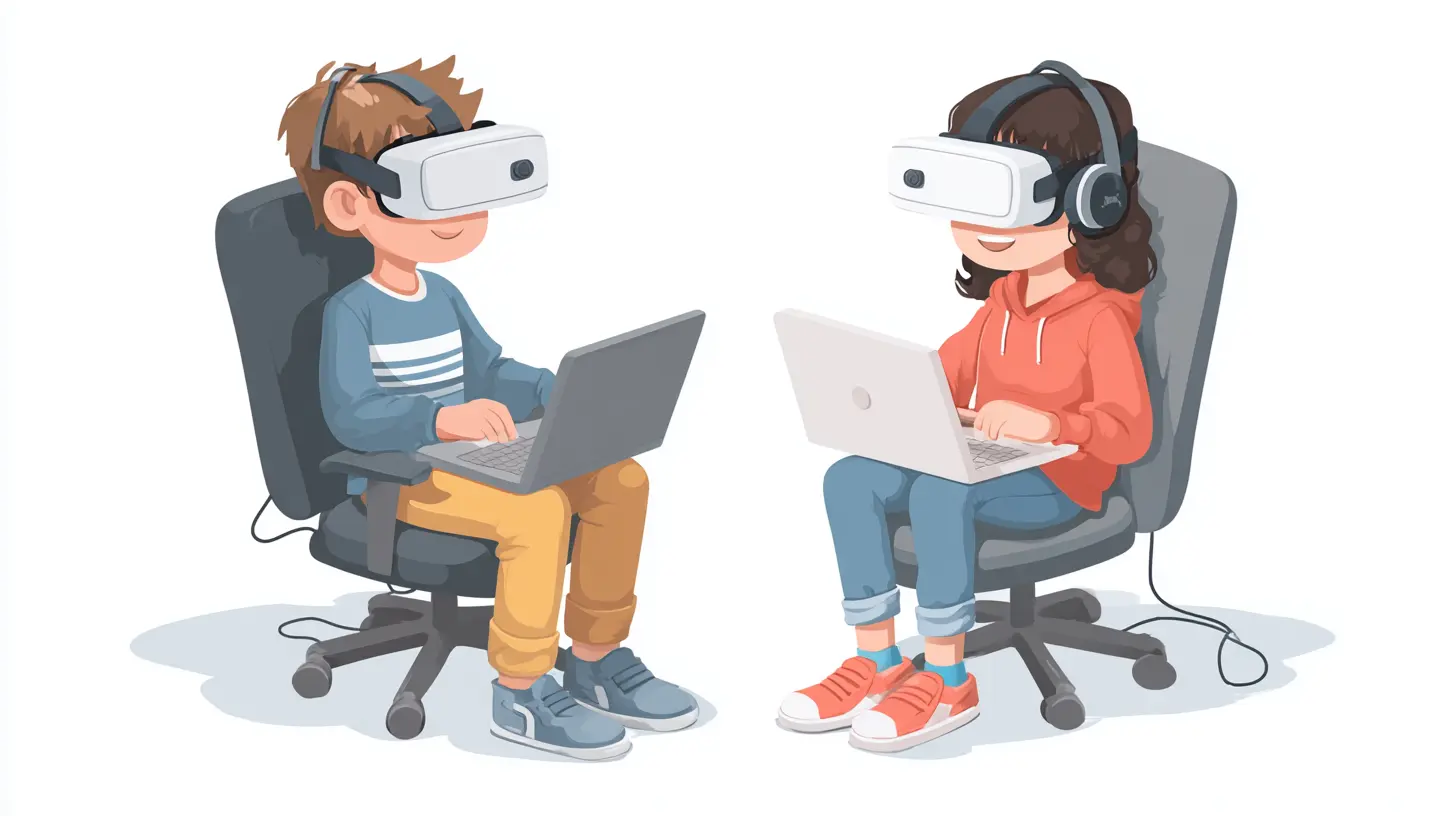
We’ve all heard of "Zoom fatigue." Metaverse immersion could introduce "avatar fatigue." We need to be proactive about physical well-being.* Ergonomics Matter: A lightweight headset, a comfortable chair, and enough space to move safely are non-negotiable. This is their new desk and chair.
* The 20-20-20 Rule Gets an Upgrade: Every 20 minutes, look at something 20 feet away for 20 seconds. In VR, this might mean a dedicated "visual break" to rest the eyes.
* Movement is Mandatory: These classrooms should and will have kinetic learning—building, gesturing, designing. Encourage full-body movement outside of school time to counterbalance any sedentary periods. The goal is to integrate the technology, not be consumed by it.
Digital Citizenship & Etiquette (Netiquette 2.0)
Just as we teach kids to raise their hand, we’ll need to teach metaverse manners.Spatial Awareness: Just because you can* walk through someone’s avatar doesn’t mean you should. Personal space exists digitally, too.
* Voice Chat Courtesy: Learning when to mute, how to take turns speaking without visual cues, and using a respectful tone.
* Appearance & Identity: An avatar is a form of self-expression, but also part of a learning community. Discussions about appropriate customization for school settings will be new parenting territory.
How You Can Start Preparing Today (Yes, Right Now!)
You don’t need a $3,000 VR rig to start this journey. The building blocks are all around us.1. Foster Curiosity, Not Just Consumption: Use today’s tech to create, not just watch. Have them build worlds in Minecraft, create stories on digital storytelling apps, or code a simple animation. Shift their relationship with tech from passive to active.
2. Play Together: The best way to understand and guide is to engage. Play a multiplayer online game with them. Notice the social dynamics, the economies, the collaboration. It’s a sandbox for the future.
3. Discuss the Future Openly: Talk about these concepts! Ask them, "How would you design a virtual school?" "What would be cool about learning in VR? What might be tough?" Make them active participants in imagining their future.
4. Double Down on the Real World: This is the most crucial step. The metaverse will be compelling, so the anchor of the physical world must be strong. Family dinners, hiking in nature, hands-on crafts, and unstructured play are not relics of the past—they are the essential counterbalance that will keep our kids grounded, healthy, and whole.
The metaverse classroom of 2027 is an opportunity. It’s a chance to make learning an adventure that is personalized, engaging, and boundless. Our task as parents is not to be the gatekeepers of this technology, but the guides. By focusing on the timeless skills of critical thinking, empathy, and responsibility, and by engaging with the new practicalities of digital life, we can equip our children not just to log in, but to lead, create, and thrive in the worlds ahead. The future isn't a distant destination; it's being built in the conversations we have and the habits we form today. So, let's get ready, together.
all images in this post were generated using AI tools
Category:
Parenting And TechnologyAuthor:

Zelda Gill
Discussion
rate this article
2 comments
Zareth Soto
Get ready to explain why virtual homework can't be eaten like snacks...
May 2, 2026 at 4:00 PM
Zelda Gill
Virtual homework may not be tasty, but it can feed creativity and critical thinking in ways snacks can't.
Denise Sullivan
What a thoughtful article! Preparing our children for the metaverse classroom is crucial in today's tech-driven world. I love the practical tips you've shared. Together, we can ensure our kids embrace this new learning environment with confidence and excitement!
April 23, 2026 at 4:39 AM
Zelda Gill
Thank you! I'm glad you found the tips helpful. It's exciting to think about the possibilities for our kids in the metaverse classroom.