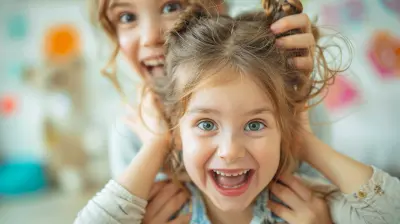
Preparing for Preschool in 2027: Skills for Social and Emotional Success
3 September 2026
The preschool landscape of 2027 looks nothing like the one most parents remember from their own childhoods. Classrooms are more diverse, technology is woven into daily routines, and the expectations for what a three-year-old should manage emotionally have shifted considerably. But here is the uncomfortable truth: the most important skills your child needs for preschool have almost nothing to do with knowing letters or counting to twenty. They are social and emotional skills, and they are harder to teach than any alphabet song.
Parents often fixate on academic readiness because it is measurable. You can drill flashcards. You can practice writing names. But you cannot drill empathy, patience, or the ability to recover from a disappointing snack time. These skills develop through experience, repetition, and the messy reality of everyday life. The good news is that you have more influence over these skills than you think, and the work starts long before the first day of school.
Why Social and Emotional Readiness Matters More Than Academics
Preschool teachers will tell you the same thing in every staff room across the country: they can teach a child their letters. They cannot teach a child to stop hitting when frustrated, to share a toy without a meltdown, or to ask for help instead of screaming. Academic gaps close quickly. Behavioral and emotional gaps persist, and they affect every aspect of the classroom experience.Research on early childhood education consistently points to the same conclusion. Children who enter preschool with strong self-regulation skills are more likely to engage with learning, form friendships, and develop positive attitudes toward school. Those who struggle emotionally often spend their first months in a constant state of stress, which blocks learning entirely. A child who is anxious, angry, or overwhelmed cannot absorb new information, no matter how good the teacher is.
In 2027, this reality is even more pronounced. Classrooms are larger in many areas due to funding pressures. Teachers have less one-on-one time. The children who can function independently, follow simple directions, and manage their own emotions will simply get more out of the experience. This is not about being the smartest kid in the room. It is about being the most stable.
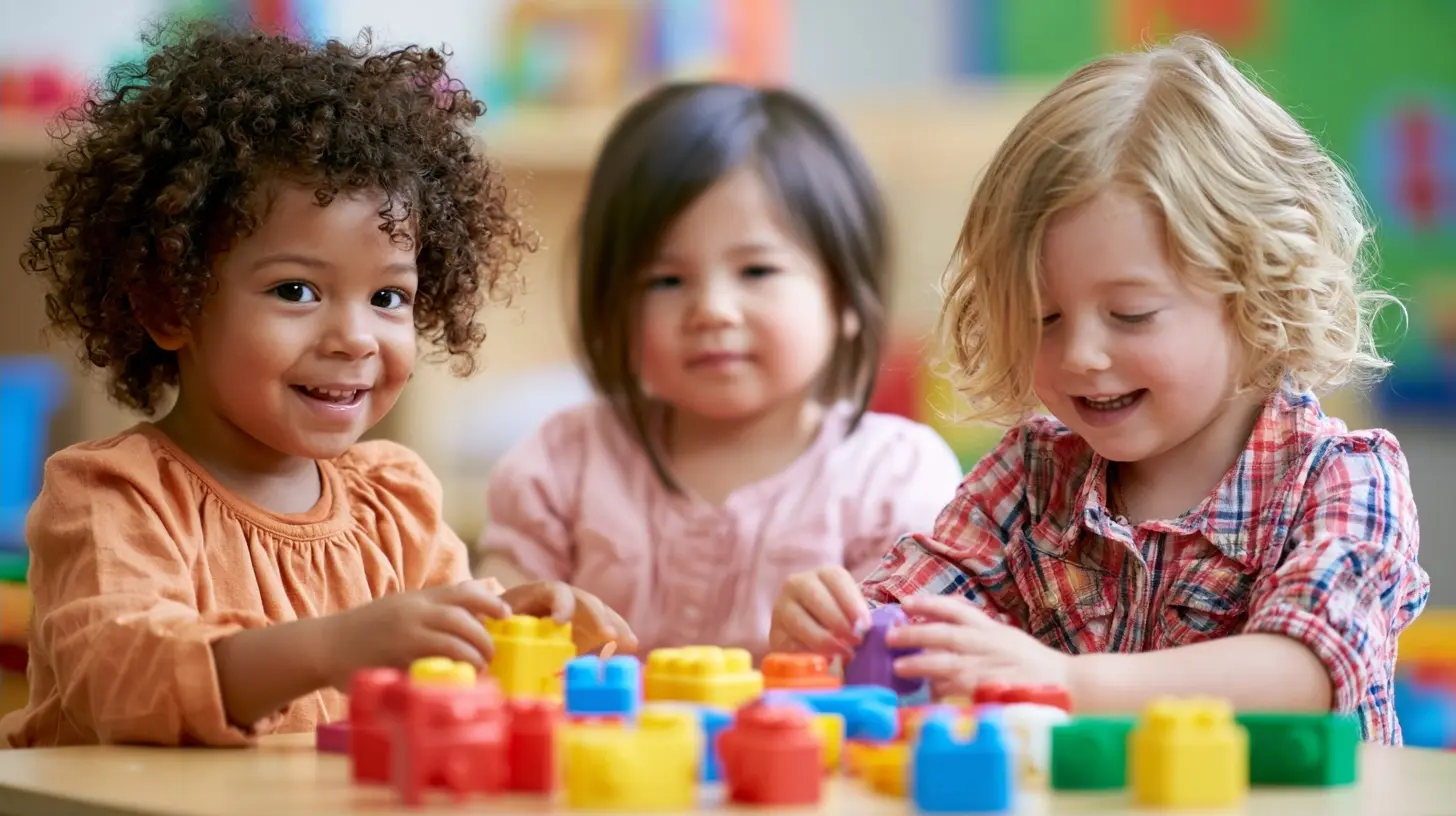
The Real Skills Your Child Needs by the First Day
Let us break down what social and emotional readiness actually looks like in practical terms. These are not abstract concepts. They are observable behaviors that you can practice at home starting today.Separation and Reunion: The Foundation of Everything
The ability to separate from you without falling apart is the single most important skill for preschool entry. This sounds simple, but it is actually a complex emotional milestone. Your child needs to trust that you will return, that the classroom is safe, and that they can cope with their own feelings while you are gone.Start practicing separation well before preschool begins. Leave your child with a trusted caregiver for short periods, then gradually increase the time. Talk about what will happen when you leave and when you will come back. Use concrete language: "I will pick you up after snack time" is better than "I will be back soon," because young children have no concept of "soon."
A common mistake parents make is sneaking out while their child is distracted. This backfires spectacularly. When the child looks up and you are gone, they learn that you can disappear without warning. That creates anxiety that lasts for months. Always say goodbye clearly, even if there are tears. The tears are temporary. The trust you build by being honest will last.
Self-Soothing Without Screens
Here is where 2027 parents face a unique challenge. Many toddlers and preschoolers have learned to regulate their emotions with a tablet or phone. A tantrum is defused by handing over a screen. A car ride is peaceful because of a video. The problem is that screens do not teach self-regulation. They simply suppress the emotion temporarily.When your child enters preschool, there will be no tablet waiting for them when they feel frustrated. They will need to use their own internal resources to calm down. This is a skill that must be practiced, and it is uncomfortable to practice.
Begin by allowing your child to experience mild frustration without immediately fixing it. If they cannot get their shoes on, resist the urge to do it for them. Sit with them, acknowledge their frustration, and let them try again. Teach simple breathing techniques. Blowing out an imaginary candle works well for three-year-olds. Pressing their hands together and pushing hard can help release physical tension.
The goal is not to eliminate frustration. The goal is to help your child build a toolkit of strategies they can use independently. Screens are not in that toolkit for most children, because screens require an external source of calm. The child needs to find calm from within.
Following Simple Directions and Managing Transitions
Preschool is a world of transitions. Arrival, circle time, centers, cleanup, snack, outdoor play, nap, and departure. Each transition requires a child to stop one activity and start another. This is genuinely difficult for young brains. Transitions require cognitive flexibility, impulse control, and the ability to tolerate disappointment when the current activity is more fun than the next one.You can practice transitions at home with surprising effectiveness. Give warnings before changes: "In five minutes, we will clean up the blocks and go to the table for lunch." Use a visual timer if your child responds well to that. Then follow through, even if there is resistance. The more predictable your home routines are, the easier transitions become everywhere.
Following directions is another critical skill. Preschool teachers give two-step and three-step instructions constantly. "Put your backpack in your cubby, wash your hands, and sit on the mat." A child who can only process one step at a time will struggle.
Practice at home by giving multi-step directions during ordinary activities. "Please put your cup in the sink, grab your shoes, and bring them to the door." Start with two steps and build up. Praise your child specifically for remembering all the parts, not just for completing the task.
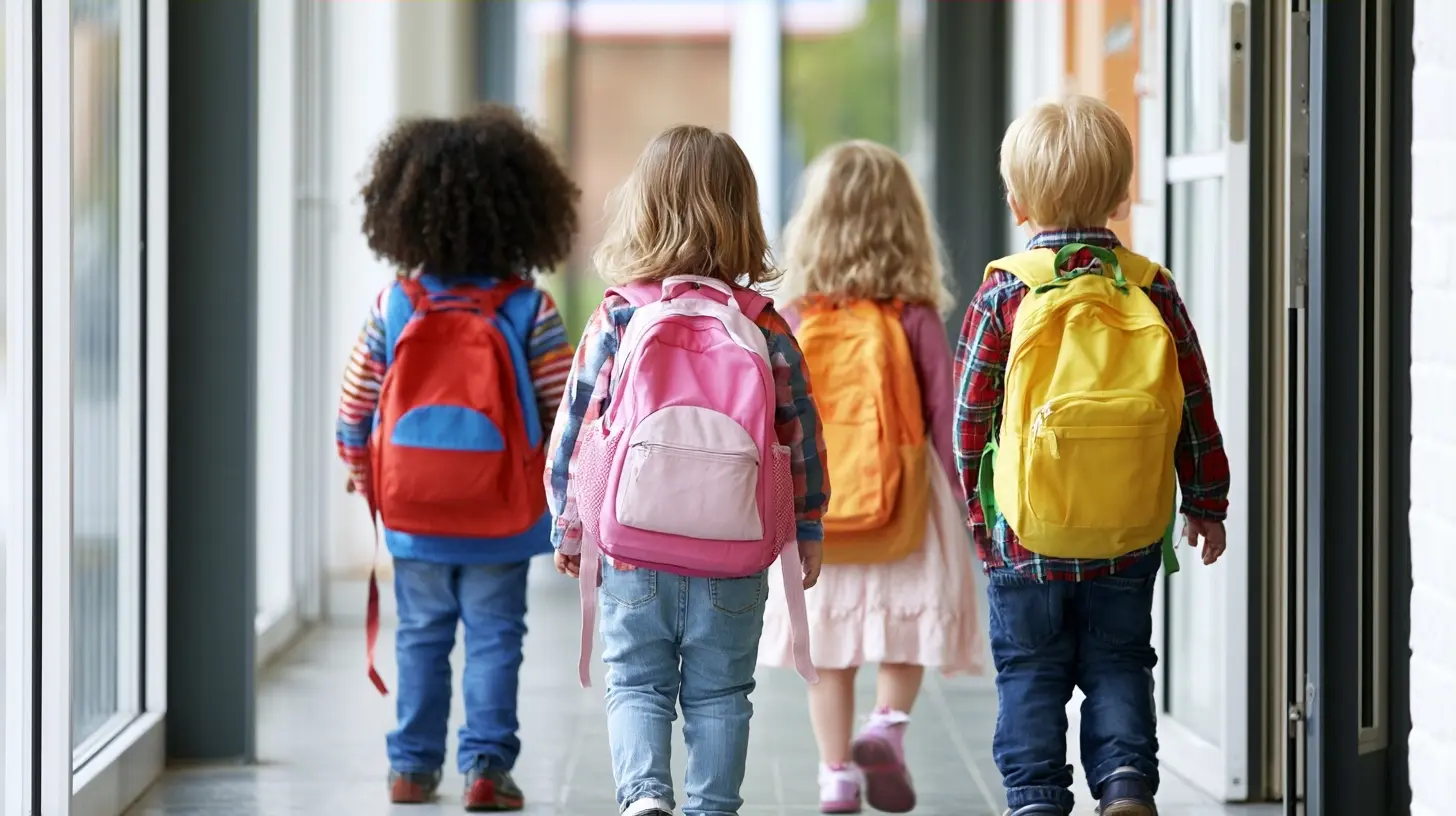
Building Social Skills That Actually Work
Social skills in preschool are not about being popular. They are about being able to navigate a group of peers without constant conflict. This requires specific abilities that develop through guided practice, not through free play alone.Sharing and Turn-Taking: The Real Story
Parents obsess over sharing, but sharing is actually a developmentally advanced concept. A three-year-old does not truly understand why they should give up a toy they are using. What they do understand is fairness, but only in a very primitive sense. They understand that if someone takes their toy, it feels bad. They do not yet understand that the same applies to others.Instead of forcing sharing, teach turn-taking. Turn-taking is concrete and rule-based. Use a timer if necessary. "You can have the truck for two minutes, then it is your friend's turn." This teaches patience and the concept of reciprocity without requiring the child to sacrifice their own needs entirely.
Practice turn-taking at home with board games designed for young children. Simple games like Candy Land or any matching game work well. The key is to let your child lose sometimes. Losing gracefully is a social skill that many adults still struggle with, and it starts in preschool.
Reading Social Cues and Body Language
Children who struggle socially often miss the subtle signals that other children send. They do not notice that a peer has turned away, that a playmate is getting frustrated, or that their rough play is not welcome. This is not a character flaw. It is a skill deficit that can be addressed.You can help your child read social cues by narrating what you see in real time. "Look at Maya's face. She looks sad. What do you think happened?" "That boy is standing very close and he is frowning. Maybe he wants some space." These conversations teach your child to observe others and interpret their emotions.
Role-playing is also highly effective. Set up scenarios where your child practices approaching a group, asking to join play, or responding when someone says no. Keep it light and playful. The goal is to build a repertoire of responses that feel natural, not scripted.
Conflict Resolution Without Adult Rescue
The hardest part of preschool social life is conflict. Children will fight over toys, over turns, over who gets to be the line leader. Your instinct as a parent is to jump in and solve the problem. Resist this instinct.When your child comes home complaining about a conflict, do not immediately call the teacher or the other parent. Instead, talk through what happened and what your child could do differently next time. Ask questions: "What did you try? What could you do next time? How do you think the other child felt?"
This does not mean you ignore genuine problems like bullying or unsafe behavior. But everyday conflicts are learning opportunities. If you solve every problem for your child, they never develop the confidence to solve problems themselves. Preschool teachers are trained to step in only when necessary. You should adopt the same approach at home.
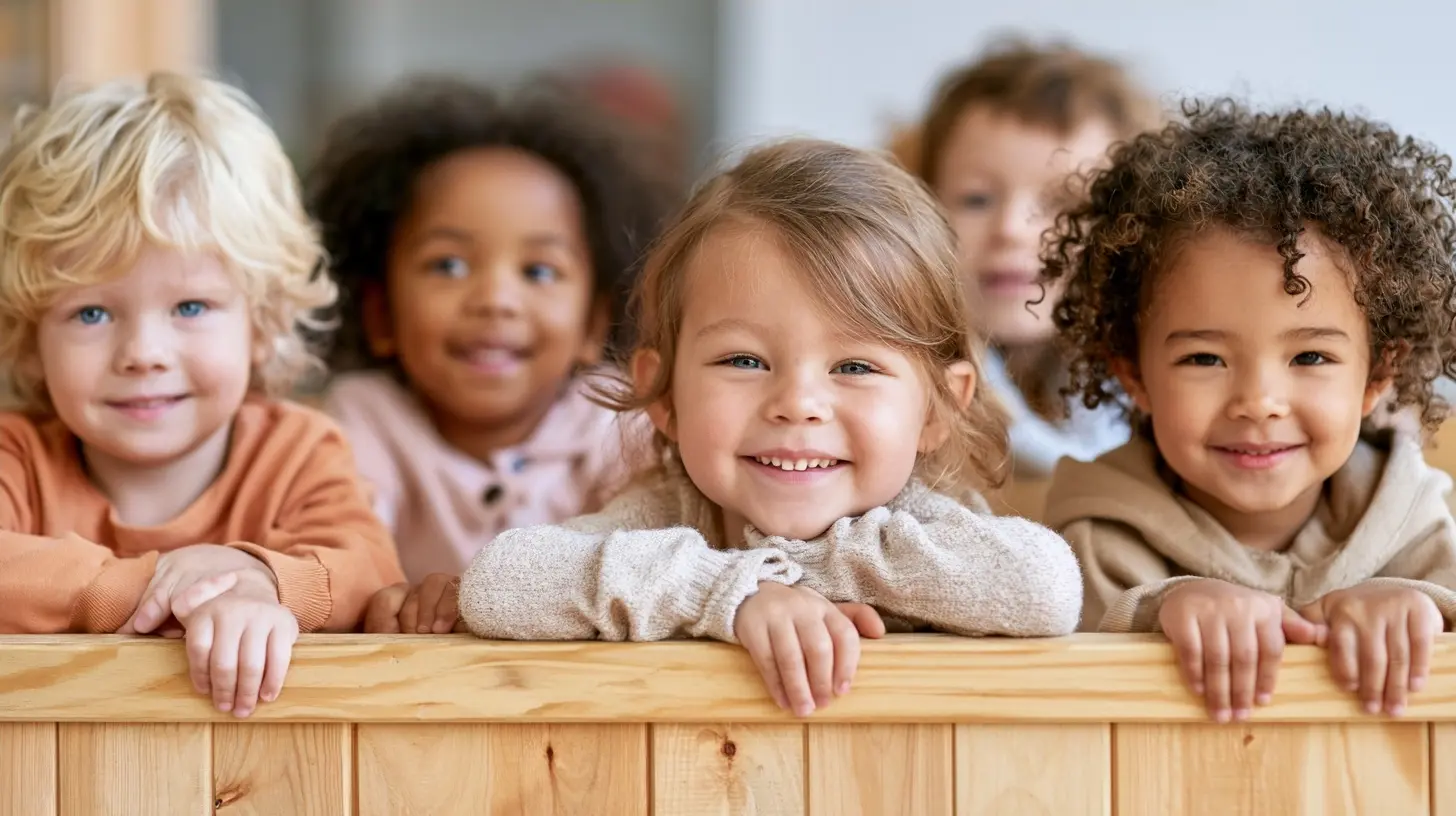
The Emotional Vocabulary Advantage
Children who can name their emotions are better equipped to manage them. This is not pop psychology. It is a practical reality. When a child can say "I am angry" instead of throwing a block, they have created a moment of reflection between feeling and action. That moment is where self-regulation lives.Start building emotional vocabulary early and use it consistently. Name your own emotions: "I am feeling frustrated because the traffic is slow." Name your child's emotions: "You are sad because we have to leave the park." Use a feelings chart or books about emotions to expand their vocabulary beyond happy, sad, and mad.
But do not stop at naming. Teach your child what to do with each emotion. Anger can be released through physical activity. Sadness can be comforted with a hug or quiet time. Excitement can be channeled into focused play. The emotion is not bad. The behavior that follows might be, and that distinction matters.
A common misconception is that emotional vocabulary makes children more emotional. The opposite is true. Children who can articulate their feelings feel more in control because they understand what is happening inside them. The mystery is scarier than the emotion itself.
Technology and Emotional Development in 2027
This is the elephant in every modern parenting conversation. Screens are everywhere, and they are not going away. The question is not whether your child will use technology. The question is whether technology will use them.For preschool readiness, the key issue is attention and delayed gratification. Screens provide instant rewards and constant stimulation. Real life does not. A child who spends hours a day on a tablet may struggle with the slower pace of a preschool classroom, where waiting is required and rewards are not immediate.
This does not mean screens are evil. High-quality educational content can teach letters, numbers, and even social lessons. But passive screen time is not the same as active engagement. A video about sharing does not teach sharing. Only real interactions with real people do that.
In the months before preschool, consider a deliberate reduction in screen time, especially in the hour before bedtime and before any demanding activity. Replace screens with open-ended play, outdoor time, and face-to-face interaction. Your child's attention span will thank you.
The other technology concern is parental phone use. Children learn emotional regulation by watching the adults around them. If you reach for your phone every time you are bored or anxious, your child learns that distraction is the answer to discomfort. Model the behavior you want to see. Put your phone down during playtime. Let your child see you handling frustration without a screen.
Practical Preparation Routines for the Weeks Before Preschool
The month before preschool starts is not the time to introduce new skills. It is the time to reinforce existing ones and establish routines that will carry into the school year.Sleep and Morning Routines
Preschool requires early wake-ups, and a tired child cannot regulate emotions. Start adjusting your child's sleep schedule at least two weeks before school starts. Move bedtime earlier by fifteen minutes every few days until you reach your target. Wake your child at the time they will need to wake for school, even on weekends.Create a morning routine that is calm and predictable. Lay out clothes the night before. Prepare breakfast in advance. Build in extra time for dawdling, because rushing creates stress that carries into the classroom. A child who arrives at school already frazzled will have a harder time separating and engaging.
Practice the Logistics
If possible, visit the preschool before the first day. Walk the playground. Look through the windows. Meet the teacher if you can. Take photos of the classroom and the teacher, and look at them together at home. This familiarity reduces the fear of the unknown.Practice the drop-off routine at home. Role-play saying goodbye, walking to the door, and waving. Some families use a special handshake or a goodbye phrase that signals love and confidence. The key is consistency. The same routine every day, even when your child cries, builds predictability.
The First-Day Strategy That Works
On the actual first day, keep your goodbye short and warm. Do not linger. Do not sneak out. Say you love them, say you will be back, and leave. If you hesitate, your child will sense your anxiety and amplify their own.Expect tears, even if your child has been fine at other separations. The first day of preschool is overwhelming. Bright lights, new faces, unfamiliar rules, and a room full of strangers. Some children cry for the first few days or even weeks. This is normal, and it does not mean you have done anything wrong.
What matters is how you handle the pickup. Be there on time. Do not ask "Did you have fun?" because that puts pressure on the child to perform. Instead, ask open-ended questions like "What was the best part of your day?" or "What did you play with?" If your child does not want to talk, that is fine. Just being together after the separation is enough.
Common Mistakes Parents Make and How to Avoid Them
Even well-intentioned parents make predictable errors in preschool preparation. Here are the most common ones, and what to do instead.Over-Scheduling the Child
Some parents pack the weeks before preschool with playdates, classes, and activities to "prepare" their child socially. This backfires. A child who is exhausted from constant stimulation has no reserve left for the new challenges of preschool. In the month before school, simplify your schedule. Prioritize downtime, unstructured play, and family meals. Let your child get bored. Boredom builds creativity and self-direction.Comparing Your Child to Others
Every child develops at their own pace. Some three-year-olds are naturally outgoing. Others are observers who warm up slowly. Neither is wrong. Comparing your child to a sibling, a friend's child, or a classmate creates anxiety that your child will pick up on.Focus on your child's specific needs. If they struggle with separation, work on that. If they struggle with sharing, practice turn-taking. Do not try to fix everything at once. Pick one or two areas to work on before preschool, and give yourself permission to let the rest develop naturally.
Ignoring Your Own Anxiety
Children are emotional radar. They know when you are anxious, even if you say nothing. If you are worried about preschool, about your child's readiness, or about being judged by other parents, your child will feel that tension.Take care of your own emotional state before preschool starts. Talk to other parents. Visit the school yourself. Write down your concerns and address them one by one. If you are confident that preschool is the right choice, your child will be more confident too.
The Over-Praise Trap
In an effort to build confidence, many parents praise everything their child does. "Great job!" for every block stacked, every bite eaten, every shoe put on. This creates children who are dependent on external validation and who crumble when they do not receive constant praise.Instead, offer specific feedback that focuses on effort and process. "You worked really hard on that puzzle" is better than "You are so smart." "You waited your turn nicely" is better than "Good job." This builds intrinsic motivation, which is far more resilient than a need for applause.
When to Seek Professional Help
Most children are ready for preschool with some preparation and patience. But some children struggle more significantly, and early intervention makes a huge difference.Consider speaking with your pediatrician or a child development specialist if your child shows any of the following signs consistently over several months:
- Extreme distress at separation that does not improve with practice
- Inability to calm down after a tantrum within a reasonable time
- No interest in other children or no response to social overtures
- Aggressive behavior that hurts others regularly
- Significant language delay that prevents basic communication
- Extreme rigidity about routines that causes daily distress
These signs do not mean your child cannot attend preschool. They mean that your child might need additional support, such as an evaluation, occupational therapy, or a smaller classroom setting. Getting help early is not a failure. It is the most loving thing you can do.
The Long View: What Preschool Is Really For
Preschool is not about academic achievement. It is not about getting ahead. It is about learning to be a person in a community. Your child will learn that other people have needs, that rules apply to everyone, and that they can survive without you for a few hours at a time. These are profound lessons, and they take time.Some children breeze through preschool. Others struggle for months and then suddenly turn a corner. Both paths are normal. Your job is not to make preschool perfect. Your job is to be a steady, loving presence who helps your child navigate the ups and downs.
The skills you practice now, the patience you show, the conversations you have about feelings, and the confidence you build through small successes will serve your child far beyond the preschool years. In 2027, the world is faster and more complex than ever. But the fundamentals of emotional health remain unchanged. A child who can calm themselves, connect with others, and keep trying after failure will thrive anywhere.
You do not need to be a perfect parent to prepare your child for preschool. You need to be a present one. The rest will follow.
all images in this post were generated using AI tools
Category:
Raising Happy KidsAuthor:

Zelda Gill
Discussion
rate this article
2 comments
Jessica McCune
Every step you take now shapes your child's future. Embrace the journey and watch them thrive!
September 13, 2026 at 3:41 AM
Trixie Harmon
Great insights! It's important to equip our little ones with social and emotional skills before they start preschool. Exciting times ahead!
September 4, 2026 at 4:20 AM
Zelda Gill
Thank you! I completely agree. Building those skills early makes a big difference. Exciting times indeed!