Parenting Without Bribes: Encouraging Ethical Motivation
26 August 2026
Every parent has been there. The grocery store aisle, the mounting tension, the rising voice, and then the words that slip out before you can stop them: "If you stop crying right now, I will get you a cookie." Or the classic: "Clean your room and I will give you five dollars." It works, in the moment. The crying stops. The room gets cleaned. But something else happens too, something quieter and more troubling. The child learns that good behavior is a transaction, not a choice. They learn that the reason to do the right thing is the reward, not the rightness of the thing itself.
This article is not about shaming parents for using bribes. Parenting is hard, and we all reach for tools that work in a pinch. But if you want to raise children who act with integrity because they genuinely want to, not because they are being paid to, there is a better path. It requires more patience, more thought, and a deeper understanding of how motivation actually develops in a child's mind. But the payoff is a child who does the right thing when no one is watching, not because they are afraid of punishment or hoping for a prize, but because they have internalized a sense of what is good and right.

The Difference Between a Bribe and a Reward
Before we go further, we need to be clear about terms. A bribe is a payment made before the behavior, contingent on the behavior happening. It is a negotiation: "If you behave, then you get this." A reward, on the other hand, is given after the behavior, as recognition or celebration. The distinction matters because the timing and the framing change the psychological effect.A bribe puts the child in control of the negotiation. It sends the message that their cooperation is a commodity to be purchased. It also teaches them to escalate. If a cookie works today, they will hold out for a toy tomorrow. The price of compliance goes up, and the parent becomes a perpetual negotiator.
A reward, when used thoughtfully, can be different. It says, "I noticed you did something hard, and I am proud of you." The reward is a symbol of recognition, not a payment for services. But even rewards have a shadow side. When used too often, they can crowd out intrinsic motivation. Psychologists call this the overjustification effect. When a child is repeatedly rewarded for something they already enjoy doing, they begin to see the activity as work, and the reward becomes the reason for doing it.
So the goal is not to eliminate all external incentives forever. The goal is to use them sparingly, strategically, and always with an eye toward building the child's own internal compass.
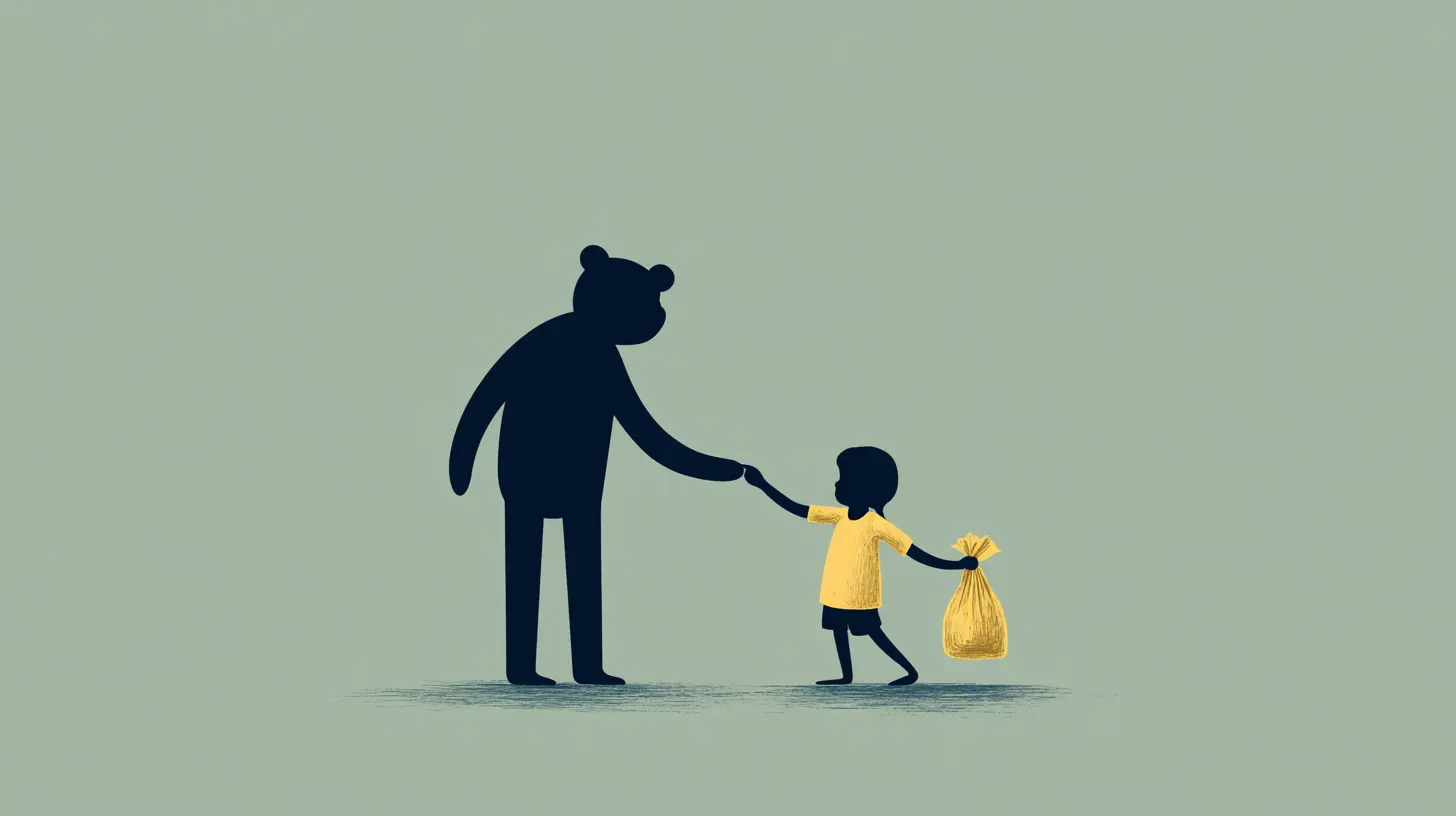
Why Bribes Fail in the Long Run
Let us be honest about why bribes are so tempting. They work fast. They are easy to administer. They do not require deep conversation or emotional labor. But they fail in several predictable ways.First, bribes create a dependency. The child learns to look outside themselves for the reason to act. They ask, "What do I get for this?" instead of "Is this the right thing to do?" Over time, this erodes their ability to make independent ethical judgments. They become skilled at calculating benefits rather than weighing values.
Second, bribes undermine the parent-child relationship. When every interaction becomes a negotiation, the parent becomes a vendor and the child becomes a customer. There is no room for trust, warmth, or genuine cooperation. The child learns that love and obedience are transactional. This is a painful lesson that can carry into adulthood, affecting their relationships with partners, employers, and friends.
Third, bribes fail when the stakes are high. A child who has been trained to behave for rewards will not know what to do when there is no reward on offer. When they are a teenager and faced with a choice about drinking, drugs, or cheating, there will be no parent standing there with a prize. They need an internal guide, and bribes do not build one.
Fourth, bribes teach a distorted view of ethics. They imply that the value of an action lies in its payoff, not in its moral quality. A child who cleans their room for money learns that cleanliness is a service, not a responsibility. A child who shares toys for a sticker learns that generosity is a performance, not a virtue.
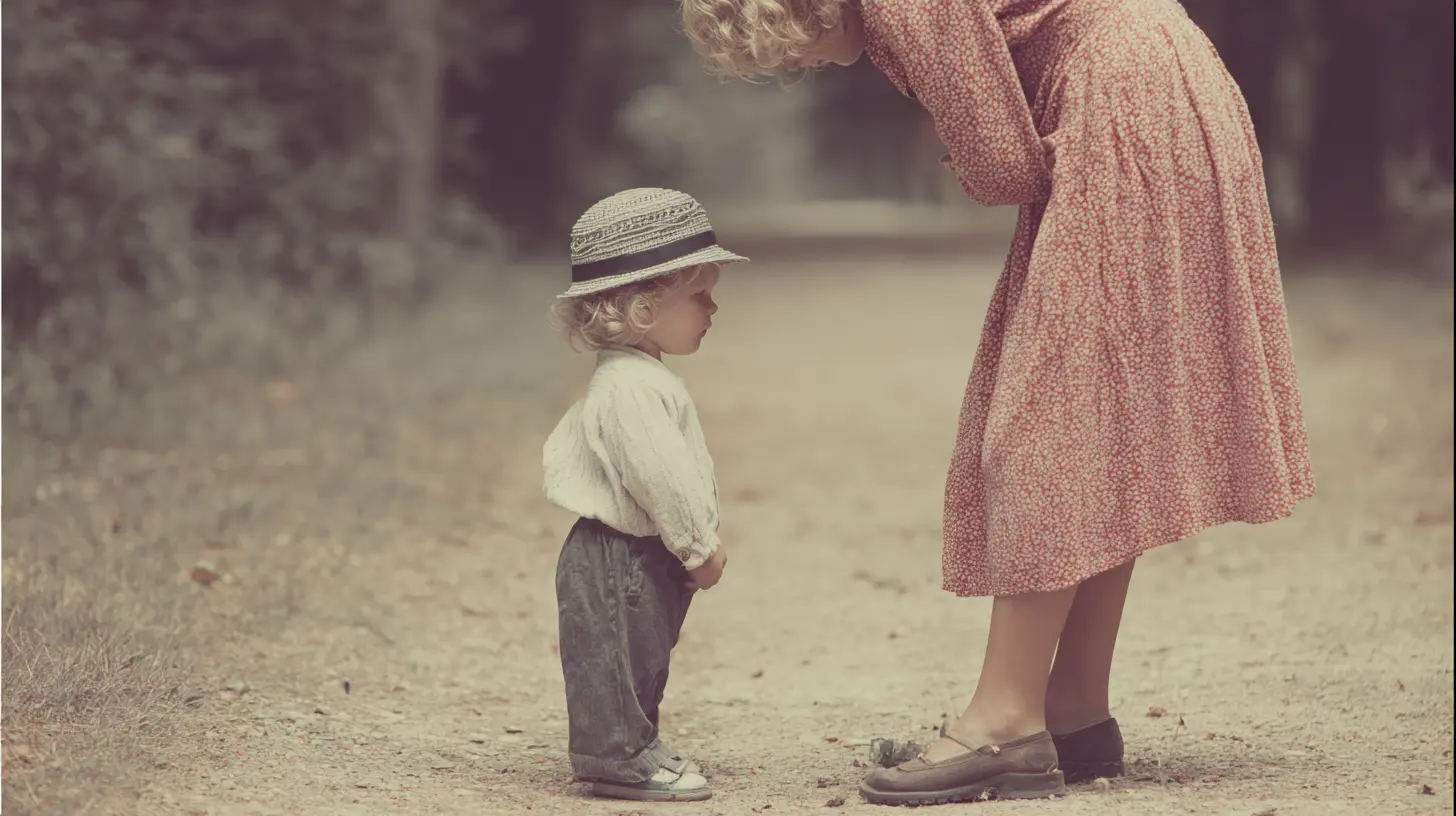
The Core of Ethical Motivation: Autonomy, Competence, and Connection
If bribes are the wrong tool, what is the right one? The answer lies in understanding what actually drives human behavior, especially in children. Decades of research in self-determination theory point to three basic psychological needs: autonomy, competence, and relatedness.Autonomy means the child feels they have a choice. They are not being forced or manipulated. They are acting because they see a reason that makes sense to them.
Competence means the child feels capable. They believe they can do the task, and they feel a sense of mastery when they do it.
Relatedness means the child feels connected to others. They care about the people around them and want to contribute to the group, whether that group is a family, a classroom, or a team.
When these three needs are met, children naturally develop intrinsic motivation. They do things because the doing itself feels good, or because it aligns with who they want to be. Bribes actually undermine all three needs. They remove autonomy (the child is being controlled), they reduce competence (the child learns they cannot do the task without payment), and they damage relatedness (the parent is acting like a boss, not a partner).
So the task of the parent is to create conditions where these three needs can flourish. This is not about being permissive or letting children do whatever they want. It is about being intentional about how you frame expectations, how you respond to behavior, and how you talk about values.

Practical Strategies for Building Intrinsic Motivation
Let us get concrete. Here are strategies that work in real life, with real children, in real moments of frustration.Name the Behavior, Not the Child
When your child does something good, resist the urge to say, "Good boy" or "Good girl." Instead, name the specific behavior and the value it reflects. Say, "You shared your toy with your sister. That was generous." Or, "You put your plate in the sink without being asked. That was responsible."This does two things. It helps the child see themselves as someone who is generous and responsible, which becomes part of their identity. And it attaches the positive feeling to the action, not to your approval. The child learns that the reward is the feeling of being the kind of person who does good things.
Use Questions Instead of Commands
When you want your child to do something, ask a question that invites them to think. Instead of "Pick up your shoes," try "Where do your shoes go when you are done with them?" Instead of "Stop hitting your brother," try "How do you think your brother feels when you hit him?"Questions engage the child's reasoning. They force the child to pause, reflect, and come up with an answer. The answer often leads to the right behavior, but more importantly, it builds the habit of thinking before acting. This is the foundation of ethical motivation.
Explain the Why, Every Time
Children are not small adults, but they are also not empty vessels. They are capable of understanding reasons if we take the time to explain them. When you ask your child to do something, give a reason that connects to a value."Do not run into the street because cars are fast and they can hurt you, and we want to keep your body safe."
"Do not grab toys from your friend because it makes him sad, and we want to be kind to people."
"Do your homework because it helps your brain grow, and learning is a way to take care of your future."
This takes more time than a bribe. But each explanation is a brick in the foundation of the child's moral reasoning. Over time, they will start to supply their own reasons. That is the goal.
Create a Culture of Contribution
Many children resist chores because chores feel like punishment. Reframe them as contributions to the family. Instead of "You have to clean your room," say "We all take care of our space so that our home feels nice for everyone." Instead of "Set the table," say "We need help getting dinner ready. Which job do you want?"When a child feels like a valued contributor, they are more likely to act willingly. This taps into the need for relatedness. The child is not just doing a task; they are participating in a family project. This is a powerful motivator that bribes cannot replicate.
Allow Natural Consequences
Sometimes the best teacher is the result of the action itself. If your child refuses to wear a jacket, let them feel cold for a few minutes (within reason). If they forget their lunch, they will be hungry at school. If they leave their toy outside, it may get ruined.Natural consequences are not punishments. They are reality. They teach cause and effect in a way that no lecture can. And they do not require any external incentive. The child learns to adjust their behavior because they want to avoid the unpleasant outcome, not because they are being bribed or threatened.
The caveat is that natural consequences must be safe and age-appropriate. You do not let a toddler touch a hot stove to learn about heat. But for older children, natural consequences are a powerful and honest teacher.
Use Family Meetings for Problem Solving
When there is a recurring issue, do not solve it unilaterally. Call a family meeting. Present the problem and ask for everyone's ideas. Let the child participate in creating the solution.For example, if mornings are chaotic, ask, "What can we do to make mornings easier?" The child might suggest laying out clothes the night before, or waking up ten minutes earlier. When the child contributes to the solution, they are more likely to follow through. They feel ownership, which is the essence of autonomy.
This also models a democratic and respectful way of solving problems. The child learns that conflicts are not resolved by power or bribery, but by communication and cooperation.
Common Mistakes Parents Make
Even with the best intentions, parents often fall into traps. Here are some common mistakes to avoid.Mistake One: Using Praise as a Bribe
Praise can become a bribe if it is used to control behavior. If you say "Good job!" every time your child does anything, the praise becomes meaningless. Worse, the child becomes dependent on your approval. They start doing things to get the praise, not because the action is worthwhile.The fix is to use praise sparingly and specifically. Praise the effort, the strategy, or the improvement, not the outcome. And sometimes, say nothing at all. Let the child experience the satisfaction of a job well done without an external commentary.
Mistake Two: Making Rewards the Default
If you reward every single good behavior, you are back to bribes, just dressed up in nicer clothes. The child will come to expect a reward for everything. They will refuse to do anything without a payoff.The fix is to make rewards rare and surprising. The occasional celebration is fine. A pizza night after a month of consistent effort is fine. But the reward should be a celebration, not a payment. It should be given with warmth and joy, not as a contractual obligation.
Mistake Three: Being Inconsistent
Children are excellent at detecting inconsistency. If you bribe sometimes and use logic other times, they will learn to hold out for the bribe. They will test your limits and see when you are most likely to crack.The fix is to be consistent in your approach. Not rigid, but consistent. The message should always be the same: we do the right thing because it is right, not because we get something for it.
Mistake Four: Confusing Compliance with Character
A child who obeys because they are bribed looks the same as a child who obeys because they believe it is right. But they are not the same. The first child is compliant; the second is ethical. If you only look at surface behavior, you will think the bribe works. But the internal state is completely different.The fix is to pay attention to the child's reasoning. Ask them why they did something. Listen to their answers. If they say "Because you gave me a cookie," you know you have work to do. If they say "Because it was the right thing," you are on the right track.
The Role of Discipline Without Bribes
Discipline is often confused with punishment. But discipline comes from the Latin word "discipulus," which means student. True discipline is about teaching, not punishing. When you discipline without bribes, you are teaching the child to regulate their own behavior.This means that when a child misbehaves, the response should focus on repair, not retribution. Ask questions: "What happened? What were you trying to do? How did it affect others? What can you do to make it right?"
This approach, sometimes called restorative discipline, helps the child understand the impact of their actions. It also gives them a way to make amends, which is empowering. They are not just a bad child who got punished. They are a person who made a mistake and can fix it.
This is much harder than a bribe or a punishment. It requires the parent to stay calm, ask questions, and listen. But it builds exactly the kind of ethical motivation we are after.
When and How to Use External Incentives Wisely
Let us be realistic. There are times when external incentives are appropriate. The key is to know when and how to use them without undermining intrinsic motivation.External incentives work best for tasks that are inherently boring or unpleasant, and where there is no natural intrinsic reward. For example, potty training, getting shots at the doctor, or doing a tedious chore that no one enjoys. In these cases, a small reward can be a bridge to get through the task.
The key is to frame the incentive as a celebration, not a payment. And to phase it out as soon as possible. You want the child to eventually do the task because it is part of their routine or because they understand its value, not because they are being paid.
Another good use of external incentives is for building a new habit. When you are trying to establish a routine, like brushing teeth or making the bed, a sticker chart can be helpful for a short period. But the goal is to move away from the chart as soon as the habit is formed. The chart is training wheels, not the bicycle.
The Long Game: Raising a Child Who Does the Right Thing
The ultimate goal of parenting is not a child who obeys. It is a child who has a well-developed conscience. A child who can think about moral dilemmas, weigh competing values, and act with courage and compassion even when it is costly.This kind of child is not produced by bribes. It is produced by years of patient guidance, honest conversation, and consistent modeling. It is produced by parents who explain their own reasoning, admit their own mistakes, and show what it means to live with integrity.
It is also produced by giving children real responsibility and real trust. When you trust a child to make a good decision, they often rise to the occasion. When you treat them as capable of ethical reasoning, they become capable of it.
This is not a quick fix. It is a long game. There will be setbacks. There will be days when you are exhausted and the bribe is right there, waiting to be used. And sometimes, you will use it. That is okay. No parent is perfect. The important thing is to keep the long game in mind, to apologize when you fall short, and to keep coming back to the principles of autonomy, competence, and connection.
A Final Word on Patience
If you are reading this, you are probably a thoughtful parent. You are looking for a better way. That is already a good sign. But be prepared for the fact that the better way is slower. It does not produce instant results. It requires you to have conversations when you would rather just get things done. It requires you to be calm when you feel frustrated. It requires you to trust the process even when you cannot see the results.But the results do come. They come years later, when your child is a teenager and they make a choice that surprises you with its wisdom. They come when your child becomes an adult and you see them treat others with kindness, not because they were rewarded, but because that is who they are.
That is the real reward. And no bribe can buy it.
all images in this post were generated using AI tools
Category:
Parenting EthicsAuthor:

Zelda Gill
Discussion
rate this article
1 comments
Sheena Whitley
Great insights on fostering intrinsic motivation in kids. Building character without bribes can lead to lasting values.
August 30, 2026 at 3:47 AM
Zelda Gill
Thank you! I'm glad you found it insightful. Fostering intrinsic motivation really can shape lasting values in our kids.