Optimizing Your ‘Tickle Monster’ Routine for Maximum Giggles
22 May 2026
Let’s face it — parenting isn’t all rainbows and unicorns. Between the “I don’t want to eat this!” battles and bedtime negotiations worthy of the UN, finding the time to simply connect with your child can feel like a luxury. But there's one tried-and-true bonding trick that never fails: invoking the legendary powers of the Tickle Monster. ?♂️?
Yep, that silly, giggle-inducing creature that you become at the right moment, with just the right amount of wildly wiggling fingers and high-pitched monstrous growls. But if you think Tickle Monster is just for quick laughs, think again. There's an art to it. Wanna dial your tickle time up to an 11? You're in the right place.
In this fun and sassy guide, I’m breaking down the science, strategy, and soul of the Tickle Monster routine. Because your kiddo deserves a five-star, belly-laughing, laughter-snorting experience — and so do you.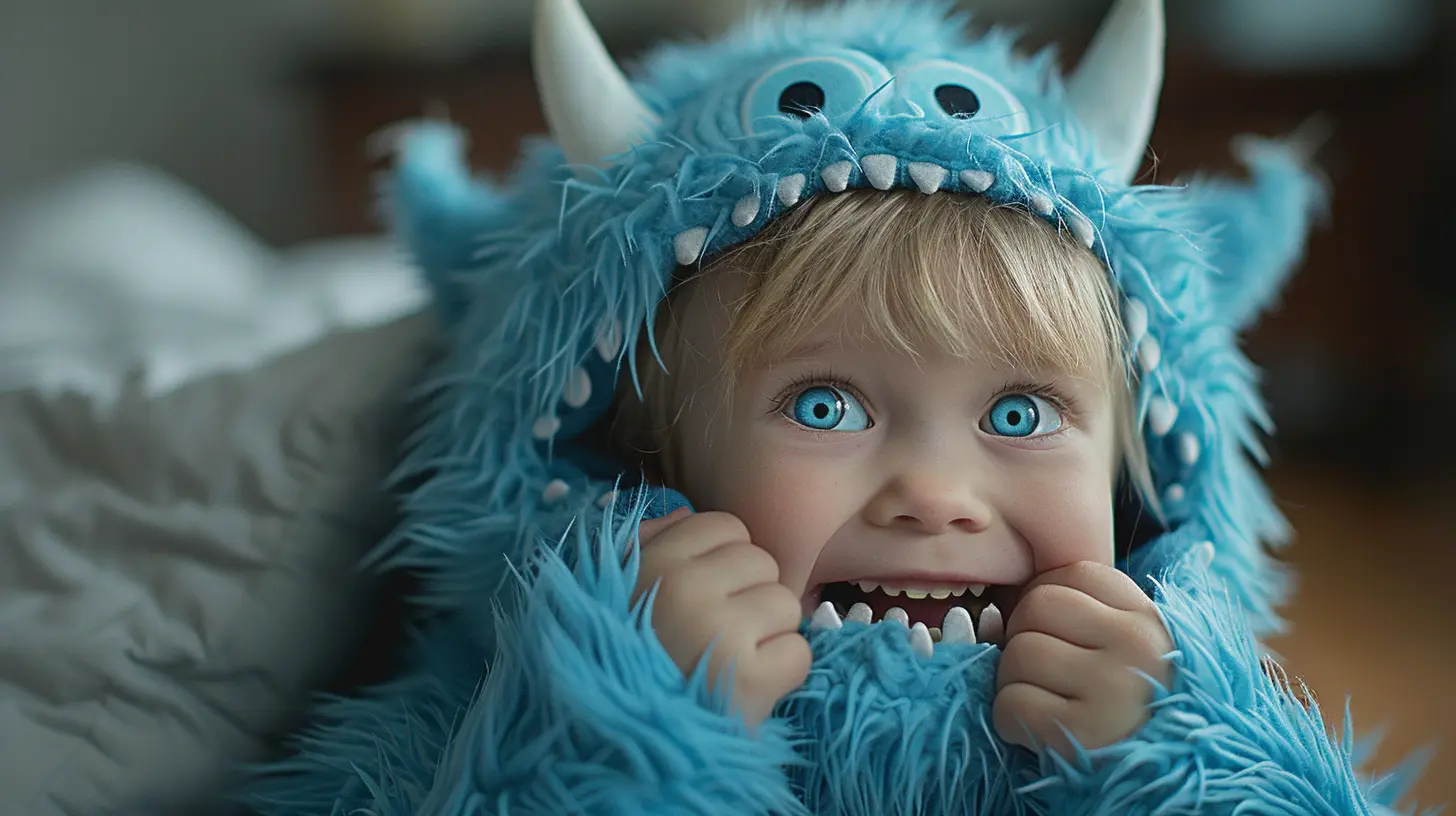
Why Tickle Monster Deserves a Spot in Your Parenting Hall of Fame
Before we get into the how-to's, let’s talk about why this silly little game is lowkey genius.Tickling isn’t just fun — it’s emotional gold. When you tickle your child (with their enthusiastic consent, obviously), you're doing so much more than enticing adorable laughter.
You’re:
- ? Building trust
- ? Releasing endorphins (those “feel-good” brain chemicals)
- ? Encouraging physical boundaries & communication
- ? Strengthening your parent-child bond like emotional Super Glue
Plus, it’s a screen-free way to reconnect after a long day of chaos, school pickup lines, and microwaved chicken nuggets.
Rule #1: Know Your Tickle Target
Let’s be real. Not every kiddo is into tickling. That’s totally valid. Always gauge your child’s comfort level. If they love it, awesome — unleash the giggle beast. If they hate it? Don't push it. Love comes in many forms, and consent is always cute.Here’s a quick cheat sheet of tickle hot zones that usually get the giggles going:
- Underarms (classic move)
- Belly and sides (hello belly laughs!)
- Feet (tickle with caution — some kids go full ninja kick)
- Neck and behind the ears (secret giggle buttons)
But keep checking in. Ask things like:
> "Should the Tickle Monster keep going?"
> "Where should he go next?"
> "Uh-oh, are there any NO-tickle zones??"
Keep it playful, keep it respectful. Always.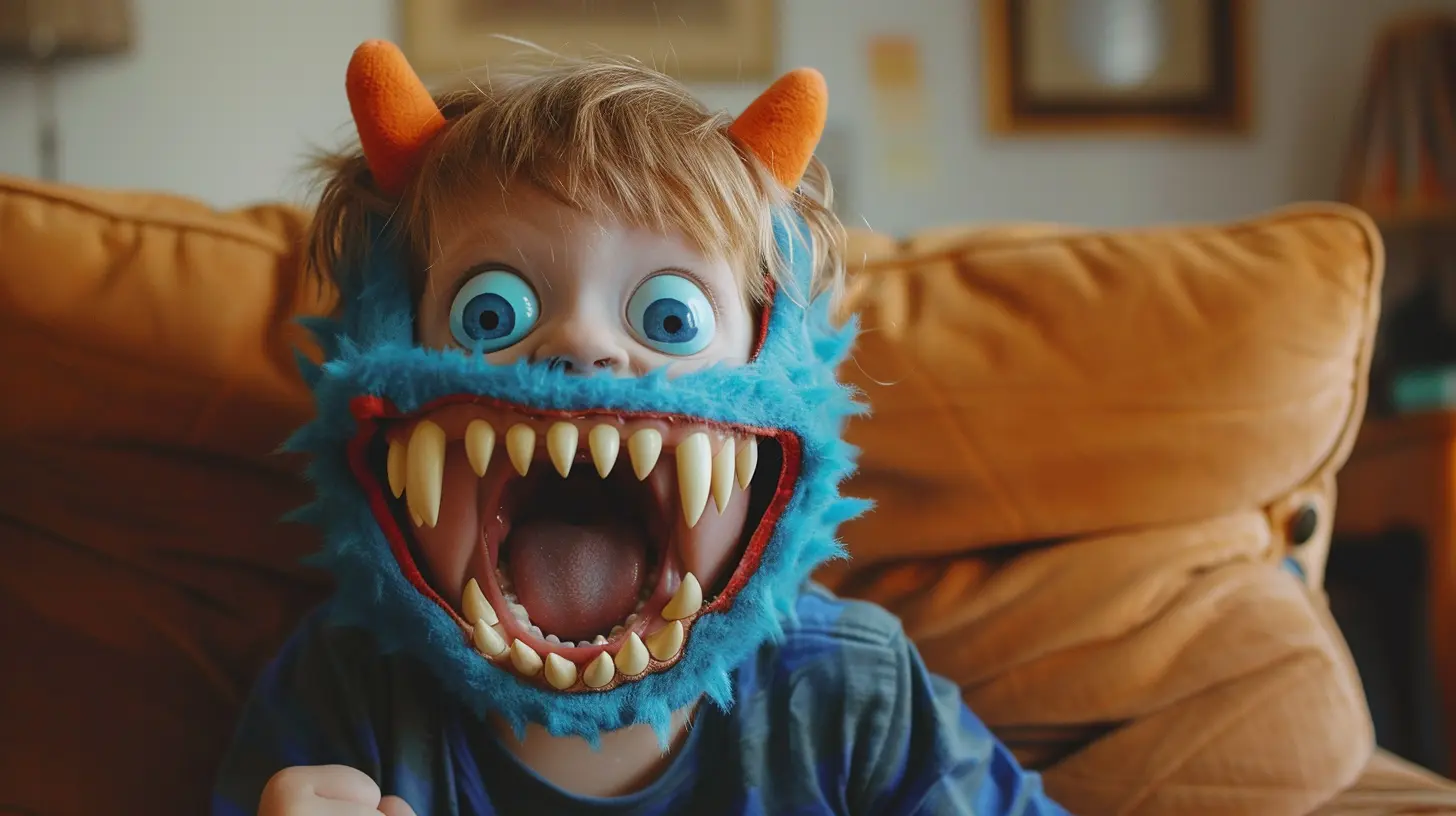
Setting the Scene: A Tickle Monster Needs a Stage
You wouldn’t premiere a Broadway play without a stage, right? The same goes for your tickle session. The ambiance matters — yes, even for attacking your kid with giggles.? Prep the Playground
Clear a space. Could be the couch, your bed, or a blanket fort of epic proportions. Make sure there are no legos or rogue sippy cups ready to booby-trap the whole operation.? Dress for the Job
Loose clothes = more tickle territory. Bonus points if the Tickler (that’s you!) has some kind of “costume.” No, I’m not saying you need a full-blown monster costume (unless you’re into that). But a claw glove? A silly hat? Even a fuzzy sock puppet that’s possessed by the Tickle Monster? ICONIC.? Use the Right Voice
Channel your inner cartoon villain — spooky, silly, dramatic, or all three. Think:> “I smell tiny toes that need a TICKLE!”
> “Where is that giggle hiding?! I will find it!”
> “I’m the Tickly Wiggly Wompus from the Land of Laughs!”
You’re not just a parent anymore. You’re an actor. A performer. A professional giggle hunter.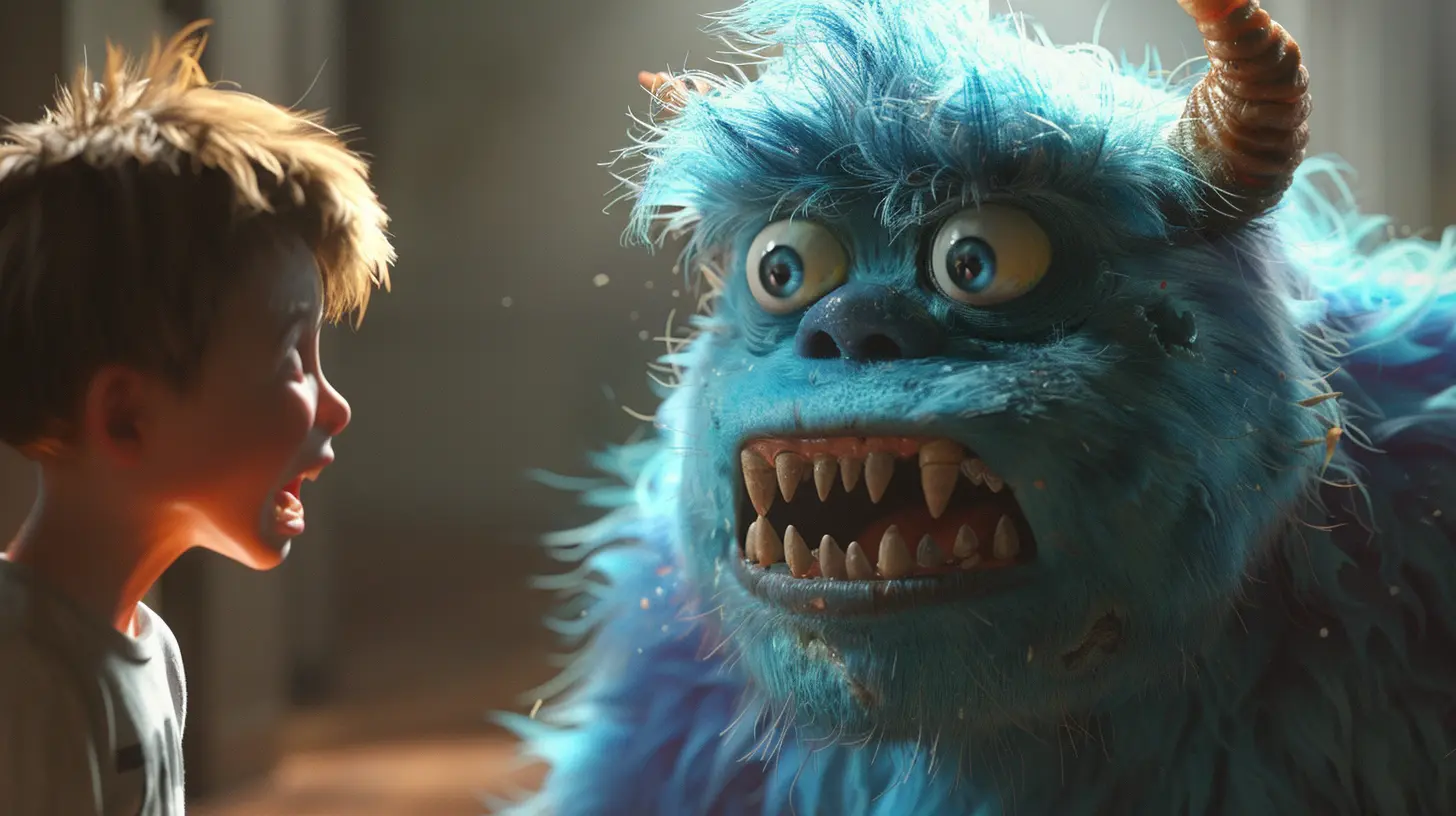
Timing is Everything (Seriously!)
If your kid is cranky, tired, or hangry — don’t even try it. You’ll go from tickle champ to public enemy #1 real fast.The best time for a Tickle Monster moment?
- After nap time
- During playtime
- Right before bedtime (but not if they get too hyped)
- When you sense tension and want to shift the mood
Think of it like comedy — timing is the secret sauce. Too early or too late, and the magic fizzles.
Advanced Tickle Tactics (For the Pros Only)
Okay, now that you’ve got the basics, it’s time to level up. These are the pro moves that’ll solidify your status as the Supreme Tickle Overlord.1. Build the Suspense
Don’t just pounce. Anticipation = amplified giggles.Say things like:
> “I’m creeping closer… the Tickle Monster is NEAR…”
> “Oh no! I hear a giggle over there!”
> “If you don’t run... I might have to.. TICKLE YOU!”
Draw it out. Let them squirm with joy. That giddy dread? Top tier.
2. Use Silly Names & Characters
The Tickle Monster doesn’t work alone. He’s got friends, coworkers, maybe even a Tickle CEO.Try:
- Sir Tickleton of Giggleland
- Madame Ticklepants
- Professor Chucklebeard
- Commander WiggleFingers
Give each one a voice and personality. It’s world-building for toddlers. Marvel Universe? Never heard of her.
3. Invent Tickle Tools
Why limit yourself to fingers? Upgrade your arsenal with:- Feather dusters
- Stuffed animal “tickle agents”
- Tickle-socks (aka your toes in silly socks)
- “Tickle wand” made from a pipe cleaner or rolled-up newspaper
Pro tip: The weirder it is, the funnier it gets.
Don't Forget the Power of Role Reversal
Ready for the golden twist? Let them become the Tickle Monster. Yep, hand them the power. You’ll be amazed how empowering (and hilarious) this is for kids.Shriek dramatically. Fall over laughing. Plead for mercy.
Be extra.
Show them how to read your cues too — this teaches empathy, respect for boundaries, and how to take turns. Spoiler alert: they’ll LOVE being in charge.
Keep It Fresh: Mix Up Your Routine
Even the best jokes get old. Keep your tickle adventures spicy by:- Adding themes (pirates, aliens, jungle animals, etc.)
- Turning it into a “tickle treasure hunt”
- Playing tickle tag
- Involving the whole family
- Making it part of rituals (like Sunday mornings or bedtime wind-downs)
Don’t get stuck in a tickle rut. Innovation = more laughs.
The Fine Print: Boundaries Matter
Now for the serious talk (yes, even in a sassy tickle article).Tickling should always be consensual, gentle, and loving. Watch for signs your child’s had enough:
- They say “stop” or “no”
- Their laughter turns nervous or forced
- They pull away or seem overwhelmed
Take breaks. Reinforce their voice. Say things like:
> “Okay! The Tickle Monster is off duty for now.”
> “You did great telling me when to stop. I'm proud of you!”
You’re not just teaching them to laugh — you’re teaching them autonomy. That’s parenting gold.
Tickling + Emotional Intelligence = Magic
Bet ya didn’t think you were developing your child’s emotional intelligence through tickling, huh? But you are!When you:
- Check in on comfort levels...
- Encourage body autonomy...
- Foster role play and imagination...
- Help them name emotions (“That tickle made me laugh so hard I almost peed!”)...
You're basically raising a self-aware, boundary-respecting, emotionally intelligent little legend. ?
All because you wiggled your fingers and made a growly voice. That’s power.
The Laugh Is the Love
At the end of the day, this isn’t about some complicated parenting hack or Pinterest-worthy activity. It’s about giggles. It’s about joy. It’s about those five minutes after a long day when you look at your kid and just play.Because sometimes — in between appointments, tantrums, and sticky floors — those little belly laughs are the soul fuel we all need.
So go ahead. Be ridiculous. Be the Tickle Monster your child never saw coming. ?
Every giggle is a little "I love you" — just covered in laughter.
all images in this post were generated using AI tools
Category:
Parenting With HumorAuthor:

Zelda Gill
Discussion
rate this article
1 comments
Eli Luna
Who knew tickling could be an Olympic sport? I've perfected my technique-it's all about stealth and the element of surprise. Just remember, the key to a successful tickle session is to have a quick escape plan for when the giggles turn into squeals!
May 24, 2026 at 2:54 AM
Zelda Gill
Sounds like you've got the perfect strategy down! Stealth and a quick getaway are definitely essential. Happy tickling!