Nurturing Confidence in Kids Through Active Listening
14 July 2026
Hey, let’s be real for a moment. Parenting is no piece of cake. One moment you’re a hero bandaging imaginary dragon bites, and the next, you’re decoding mysterious mumblings about who broke the cookie jar. But amidst all the chaos and cuteness, there’s one superpower that often goes unnoticed: active listening. Yep, something as simple (and yet so challenging) as truly listening to your kids can be a game-changer. Not only does it help build trust, but it also nurtures something powerful—confidence.
So, how exactly does this work? Buckle up, grab some coffee (or tea, no judgment here), and let’s dive into how active listening can turn you into the confidence-boosting superhero your kid secretly thinks you are.
What Is Active Listening, Anyway?
Before we get into the nitty-gritty, let’s make sure we’re on the same page. Active listening isn’t just about nodding and going “Hmm,” while secretly planning dinner. It’s more than just hearing words—it’s a full-on engagement. It’s about being present, emotionally tuned in, and showing your kids that what they’re saying matters. Think of it as the difference between staring at a picture of a warm chocolate cake and actually eating it. One is passive, the other is fully involved (and delicious).Here’s a quick breakdown of active listening:
- Eyes on them: Put down the phone, tablet, or whatever you’re obsessing over.
- Mirror their emotions: If they’re excited, match that energy. If they’re upset, let your facial expression show empathy.
- Ask questions: Thoughtful ones, not the “Uh-huh, okay?” kinda questions.
- Don’t interrupt: And don’t swoop in with solutions. Let them finish! 
Why Does Active Listening Matter for Confidence?
Alright, so why is this such a big deal for a kid’s confidence? Picture this: You’re at work, sharing an idea with your boss, and they’re busy texting or cutting you off mid-sentence. Feels pretty crummy, right? Now replace you with your kid and the boss with…well, you. When kids feel dismissed or unheard, they start to believe their thoughts don’t matter.But when you truly listen, you’re sending out a loud and clear message: You are important. What you say matters. You matter. And guess what? That’s the foundation of confidence.
Active listening helps:
1. Validate their feelings: Kids need to know it’s okay to feel what they feel, whether it’s joy, fear, anger, or sadness.
2. Encourage self-expression: The more they talk, the better they’ll get at expressing themselves—and that’s a skill for life.
3. Build trust: They’ll see you as someone who truly has their back, making them bolder in sharing their thoughts and ideas.
4. Foster independence: When kids feel heard, they’re more likely to believe in themselves and their own abilities.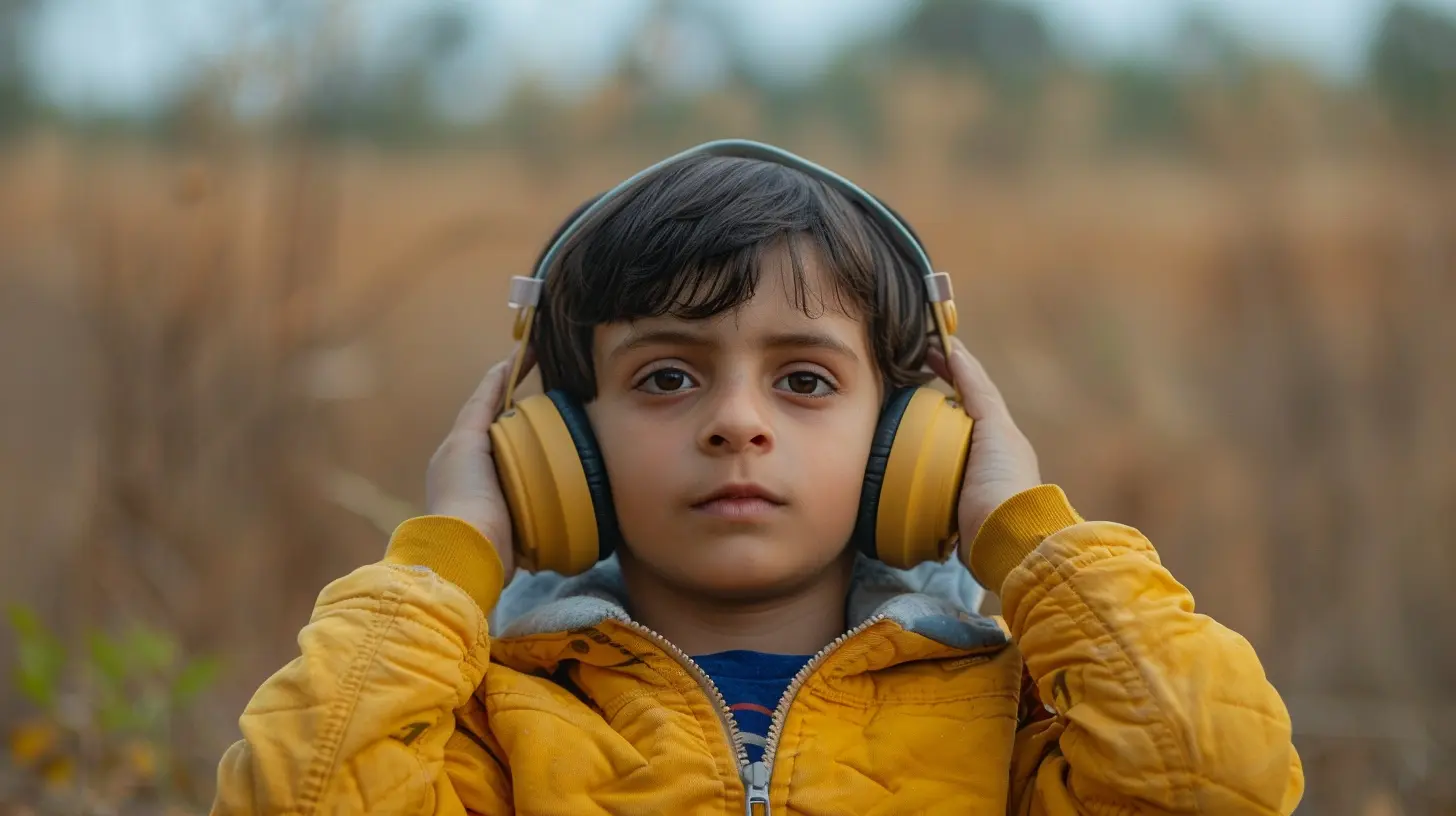
Signs You Think You’re Listening (But Aren’t)
Hold up—before you pat yourself on the back for being a great listener, let’s do a little gut check. Here are some sneaky ways we think we’re listening but are actually kinda...not:- Multitasking: If you’re simultaneously folding laundry or scrolling Instagram, you’re not fully present.
- Prepping your response: Jumping in with advice before they’ve finished? Guilty as charged.
- Judging or dismissing: Saying things like “That’s not a big deal” can be a huge confidence killer.
- Turning it into a lecture: Sometimes, they just want to be heard. They don’t need a Ted Talk on resilience every time they fall off their bike.
If any of these sound familiar, don’t worry. We’ve all been there. The good news is, you can get better at this with a little effort.
How to Practice Active Listening (Without Losing Your Sanity)
Okay, so how do you actually do this "active listening" thing without feeling like you're overanalyzing every conversation? Don’t worry—it’s not rocket science. Here’s a step-by-step breakdown to keep it simple:1. Get On Their Level
Literally. If your little one is sitting on the floor drawing dinosaurs with six heads, plop down with them. Eye-to-eye contact makes them feel like you’re truly in their world.2. Say “Tell Me More”
Three magic words. Whether they’re rambling about their favorite cartoon or venting about a playground squabble, these words show that you’re really interested. Bonus: They’ll often reveal things they wouldn’t have if you hadn’t asked.3. Validate, Always
Even if their worries seem tiny to you, they’re huge to them! Instead of brushing it off, say something like, “I can see why that made you feel upset” or “That must’ve been exciting for you!” It’s like giving their emotions a hug.4. Watch Your Body Language
Crossed arms, distracted glances, or sighs? Yeah, kids pick up on that. Show open, relaxed body language—lean in slightly, nod occasionally, and maintain eye contact.5. Reflect What They Say
No, this doesn’t mean parroting. Summarize what they said to show you got it. For example:- Kid: “I’m mad because Mia didn’t let me play with her doll.”
- Parent: “Oh, that must’ve hurt your feelings when Mia didn’t share.”
Boom. Connection achieved.
6. Pause Before Responding
When they pause, resist the urge to jump in immediately. Sometimes, they need a second to collect their thoughts. Give them that space.Common Pitfalls (And How to Avoid Them)
Active listening sounds straightforward, but let’s face it: life happens. Here are a few common hurdles and some tips on how to dodge them like a parenting ninja:- You’re exhausted: Parenting is tiring, and sometimes you’re running on fumes. If you’re not in the headspace to listen, it’s okay to say, “Can we talk about this in 10 minutes when I can give you my full attention?”
- They’re talking non-stop: Yes, some kiddos can deliver a monologue longer than a Shakespeare play. When this happens, gently steer the conversation with questions or cues like, “What was the best part of your day?”
- You’re tempted to “fix it”: If they come to you with a problem, it’s natural to want to solve it. But instead of jumping to solutions, try asking, “What do you think we should do?” This encourages problem-solving skills.
- Big emotions make you uncomfortable: Let’s be honest—when kids cry or yell, it’s not easy to stay calm. But those are the moments they NEED to feel heard. Take a deep breath, stay present, and remind yourself that emotions aren’t emergencies.
Benefits You’ll Notice (For Both of You!)
The beauty of active listening is that it helps you and your kid. You’ll notice things like:- Your child becoming more open and willing to share.
- Fewer tantrums and meltdowns (because they feel understood).
- A deeper bond between you two. (Cue the warm fuzzies!)
- Increased confidence in your parenting, too. When you’re actively listening, you’re showing up for your child in a big way.
And for your kid? They’ll walk through life holding their head a little higher, speaking their mind, and knowing they’ve got a cheerleader in their corner.
Sprinkle Some Fun Into Listening
Who says listening has to be boring? Turn it into a game! Try:- Highs and Lows: At dinner, take turns sharing the best and toughest parts of your day.
- Silly Scenarios: Ask goofy questions like, “If you could only eat one food forever, what would it be?”
- Story Swaps: Share made-up stories or memories, and really listen to each other’s tales.
These playful techniques make listening feel less like a chore and more like a connection-building adventure.
In a Nutshell...
Parenting isn’t about being perfect—it’s about being present. Active listening might sound small, but it’s one of the most powerful ways to nurture your child’s confidence. When you truly hear your kids, you’re teaching them that they matter, their words matter, and their feelings matter. And honestly? That’s the kind of foundation that helps them grow into strong, confident adults.So, the next time your kid comes to you with a story about their day—or a 15-minute rant on why kangaroos are cooler than unicorns—take a deep breath, lean in, and really listen. You might just be surprised at how much you both grow from it.
all images in this post were generated using AI tools
Category:
Building ConfidenceAuthor:

Zelda Gill
Discussion
rate this article
1 comments
Erica Rios
Active listening builds trust, fostering kids' confidence and emotional growth.
July 17, 2026 at 2:28 AM
Zelda Gill
Absolutely. Active listening is key to helping kids feel valued and understood, which in turn boosts their confidence and emotional development.