Nature Journaling: Teach Kids to Record Their Outdoor Experience
1 July 2026
Let’s face it—getting kids outside and away from screens isn’t always easy these days. But what if you could give them a fun, creative reason to step outdoors and fall in love with nature? That’s where nature journaling comes in. It’s not just a cute idea—it’s a powerful tool to help kids slow down, observe their surroundings, and connect with the natural world on a deeper level.
In this guide, we’ll walk you through how to introduce your kids to nature journaling, why it’s so beneficial (for them and for you), and how to make it an exciting, ongoing practice. Whether you’ve got a toddler, a curious elementary kid, or a moody teen—there’s something here for everyone.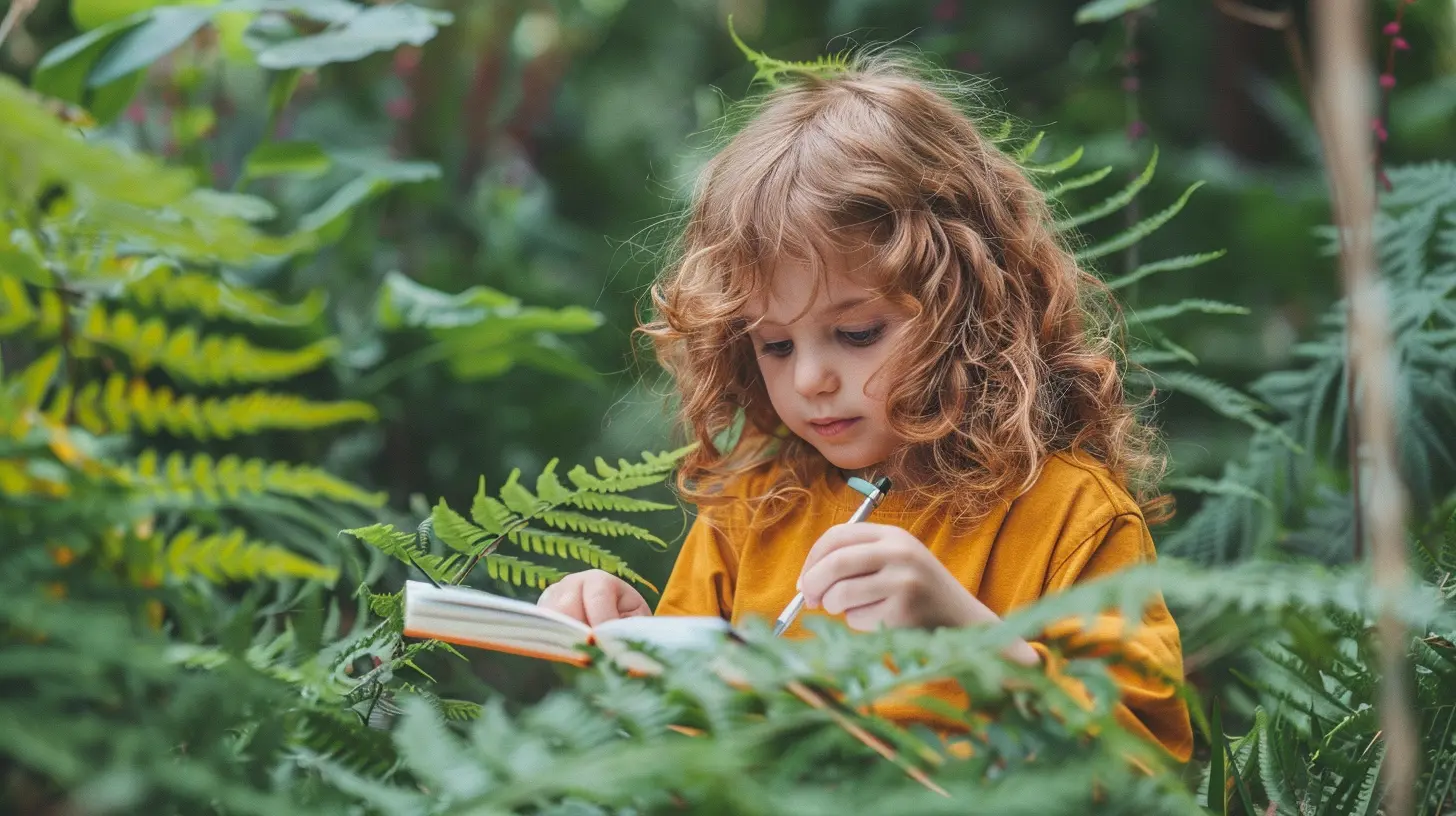
What Is Nature Journaling?
Nature journaling is exactly what it sounds like—writing, drawing, and recording observations about the natural world. It can happen in your backyard, in the park, on a mountain trail, or even while watching clouds from your window.Kids can write about what they see, sketch a flower, note the sounds of birds, track the weather, or tape in leaves and petals. Think of it as part diary, part science notebook, part art portfolio. And best of all? It’s completely theirs.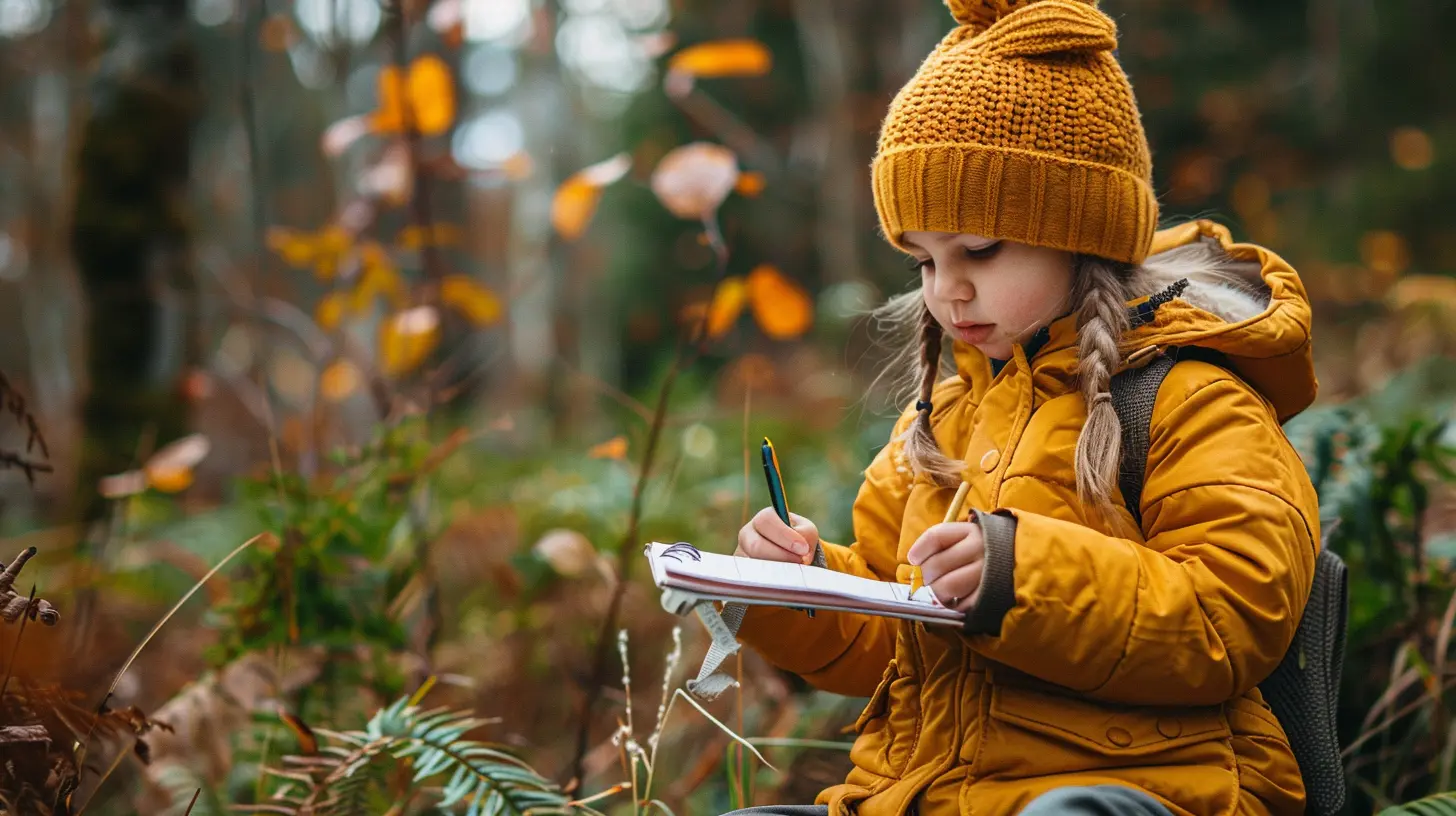
Why Nature Journaling Is So Great for Kids
You might be wondering: “Do my kids really need another thing to do?” Good question. The short answer? Yes. But unlike chores or homework, this is one activity they’ll actually look forward to—and here’s why.1. It Boosts Observation Skills
Nature journaling sharpens kids’ senses. Instead of rushing past a plant or animal, they stop, look closer, and start asking questions. This habit of paying attention? It’s a lifelong skill that helps in school, relationships, and life in general.2. It Encourages Curiosity
Kids are natural explorers (read: mini scientists). A nature journal gives them permission to ask “why” and “how.” Why are these ants marching in a line? How do leaves change color? It nudges them toward critical thinking without them even realizing it.3. It Enhances Creativity
Drawing, writing, labeling, coloring—nature journaling taps into their creative side. And because there’s no “wrong” way to journal, kids can let their imaginations run wild. Who says you can’t give that squirrel a superhero cape?4. It Improves Focus and Mindfulness
Nature is calming. Taking time to sit, listen, and observe can have huge benefits for kids’ mental health. It’s like meditation in disguise. Plus, journaling helps them process emotions and thoughts in a healthy, quiet way.5. It Builds a Deeper Connection With the Environment
When kids care about what they see outside—the birds, trees, bugs—they’re more likely to become environmentally responsible later. Nature journaling plants that seed early.
What You Need to Get Started
Good news: You don’t need some fancy, Pinterest-worthy toolkit to start a nature journal. Here’s all you need (and probably already have):- A blank notebook or sketchpad
- Pencils, colored pencils, crayons, or even watercolor paints
- A zip bag for collecting small nature finds (leaves, flowers, feathers)
- A magnifying glass (optional—but fun!)
- And most importantly… curiosity!
Keep it simple at first. You can always upgrade or add supplies later.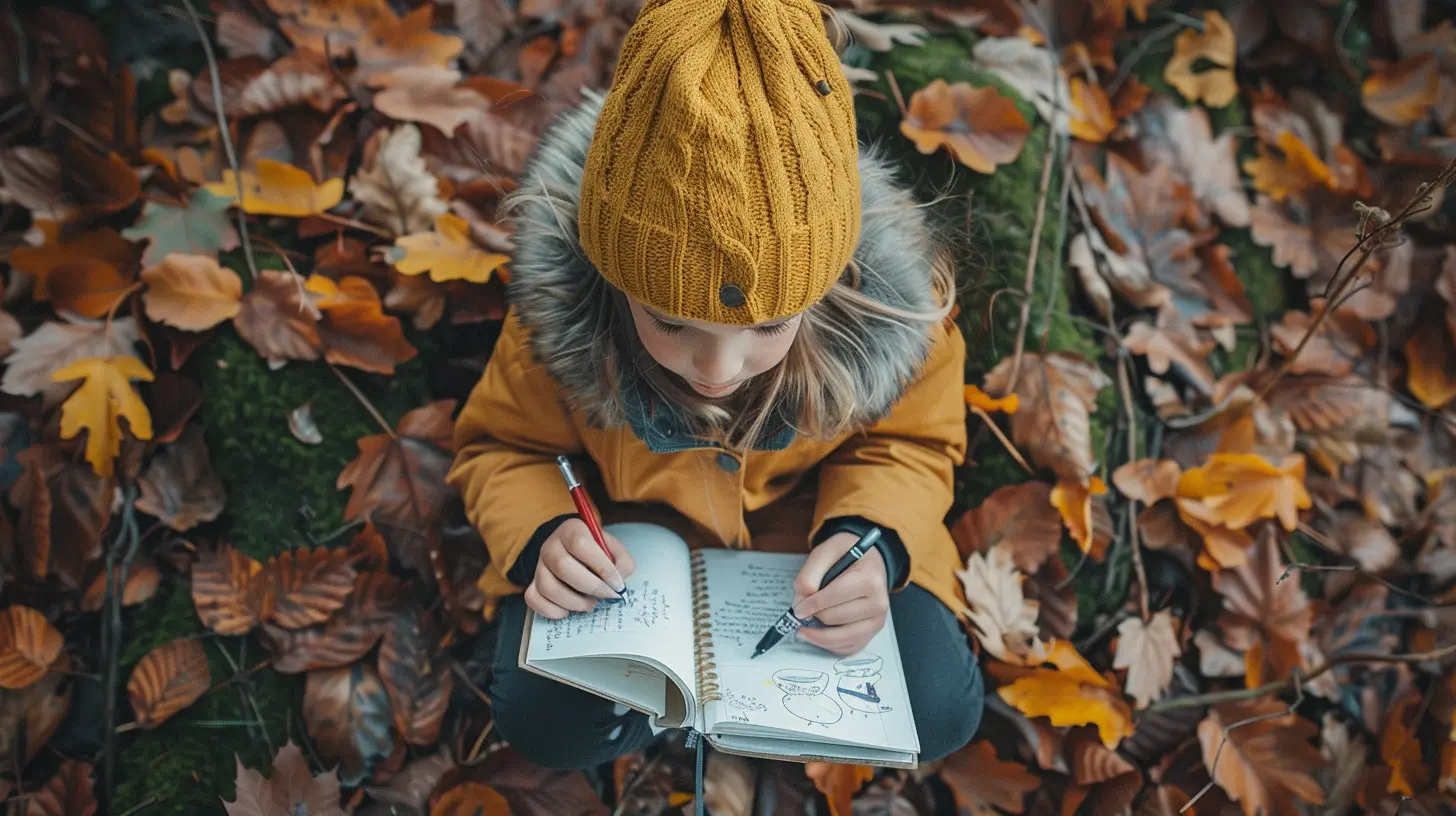
How to Introduce Nature Journaling to Your Kids
Here’s the golden rule: don’t make it feel like schoolwork. This is not another assignment. Instead, make it feel like an adventure—because it is.1. Start With a Walk
Take a stroll through your neighborhood, local park, or trail. No need to plan a grand expedition—just head outside. Bring the journal along and say, “Let’s see what cool things we spot today.”2. Ask Open-Ended Questions
Engage them by asking what they see, hear, or smell. Questions like:- “What colors do you notice around you?”
- “Can you draw the shape of that leaf?”
- “Do you hear any birds? Can you mimic the sound?”
You’re not grilling them—you’re just feeding their curiosity.
3. Give Them Space to Express Themselves
Some kids will want to write full paragraphs. Others might doodle bugs from every angle. Let them choose their own style. Even scribbles or one-word entries mean they’re observing.4. Keep It Short and Sweet
Especially for younger kids, 10–15 minutes may be the sweet spot. No need to pressure them into filling pages. A little goes a long way.5. Lead by Example
Grab your own notebook and sketch alongside them. Show them you’re curious, too. Your enthusiasm is contagious.Nature Journal Prompts for Kids
Need a little inspiration to keep the journaling flowing? Try these fun prompts:- “Draw the coolest thing you found today.”
- “Write a story about a bug you saw.”
- “If this tree could talk, what would it say?”
- “Describe the sky using only colors.”
- “Map the trail we walked and mark your favorite spot.”
Remember: prompts are helpful, but not mandatory. Let their imagination guide the way.
Different Ways to Journal Nature
Every kid is different. One might lean into coloring, another may be into labeling and note-taking. Here are a few fun styles your child can experiment with:1. Visual Journaling
Perfect for artsy kids. Encourage them to draw or paint what they see.2. List Journaling
Great for beginners. Have them list five things they saw, heard, or felt.3. Story-Style Journaling
Little writers will love crafting mini stories about the animals or plants they encounter.4. Scientific Observations
Older kids can label plant parts, note species names, and track temperatures or sunset times.5. Scrapbooking
Encourage kids to tape leaves, feathers, or flower petals (safely!) into their journals for a 3D effect.Nature Journaling Year-Round
Think nature journaling is just a summer thing? Nope! Every season has something special to offer.- Spring: Budding leaves, nesting birds, new flowers—all full of color and motion.
- Summer: Insects, sunrises, beach or forest trips—lots of chances to explore.
- Fall: Vibrant leaves, migrating birds, crisp smells—perfect for poetic entries.
- Winter: Animal tracks in snow, bare trees, moody skies—great for quiet sketches.
You can even journal from inside while watching the weather or observing from the window.
How to Keep Kids Motivated
Let’s be real: the excitement might fade after a week or two. So how do you keep it going?1. Create a Journal Challenge
Set a fun goal like “15 journal entries this month” with a mini reward. Maybe a nature walk with hot cocoa at the end!2. Share and Celebrate
Let them show off their pages to grandparents or friends. You can even set up a “nature gallery” on the fridge.3. Mix It Up
Try new locations—a beach, a mountain trail, the backyard at night (with flashlights!). New surroundings spark new curiosity.4. Join Nature Clubs or Groups
Check your local library or community center for kid-friendly nature events. Social learning makes it more exciting.Common Concerns (And How to Handle Them)
“My kids aren't into drawing…”
That’s totally okay. Nature journaling isn’t about perfect art—it’s about observation. Writing a few words or even just gluing in a cool leaf counts.“They get bored quickly…”
Start small. Even a 5-minute “nature pause” can be meaningful. Build from there.“I don’t know enough about nature to teach them…”
Guess what? You don’t have to! You’re on a journey of discovery together. Embrace the “I don’t know… let’s look it up” moments. That’s where real learning happens.Final Thoughts: Making It a Habit, Not a Hassle
Nature journaling can be anything you want it to be—simple, flexible, and fun. It's not about turning your child into the next David Attenborough. It's about giving them the tools and space to wonder, to notice tiny details, and to find joy outdoors.And who knows? You might just find yourself falling in love with nature all over again, too.
So grab some notebooks, head outside, and just… start. Because in a world full of distractions, helping your kids pause and truly see the world around them may be one of the most meaningful things you’ll ever do together.
all images in this post were generated using AI tools
Category:
Outdoor ActivitiesAuthor:

Zelda Gill
Discussion
rate this article
1 comments
Whitney Larsen
What a wonderful idea! Nature journaling inspires creativity and helps kids appreciate the outdoors.
July 4, 2026 at 2:59 PM
Zelda Gill
I completely agree! Nature journaling really opens up a world of discovery for kids and nurtures their creativity.