How to Talk to Your Child About Complex Emotions
15 August 2026
Emotions. We all have them. And let’s be honest—sometimes even adults can’t make sense of them. So, how can we expect our kids to understand what they're feeling when they get overwhelmed, frustrated, or sad? Teaching children to recognize and talk about their feelings isn't just essential—it's a life skill.
In this guide, we're diving deep into how to talk to your child about complex emotions. Think of it as emotional first aid, but instead of a band-aid, it’s about helping your child build emotional intelligence, resilience, and the confidence to face life’s ups and downs. Ready to nurture your little human's big feelings? Let’s dive in!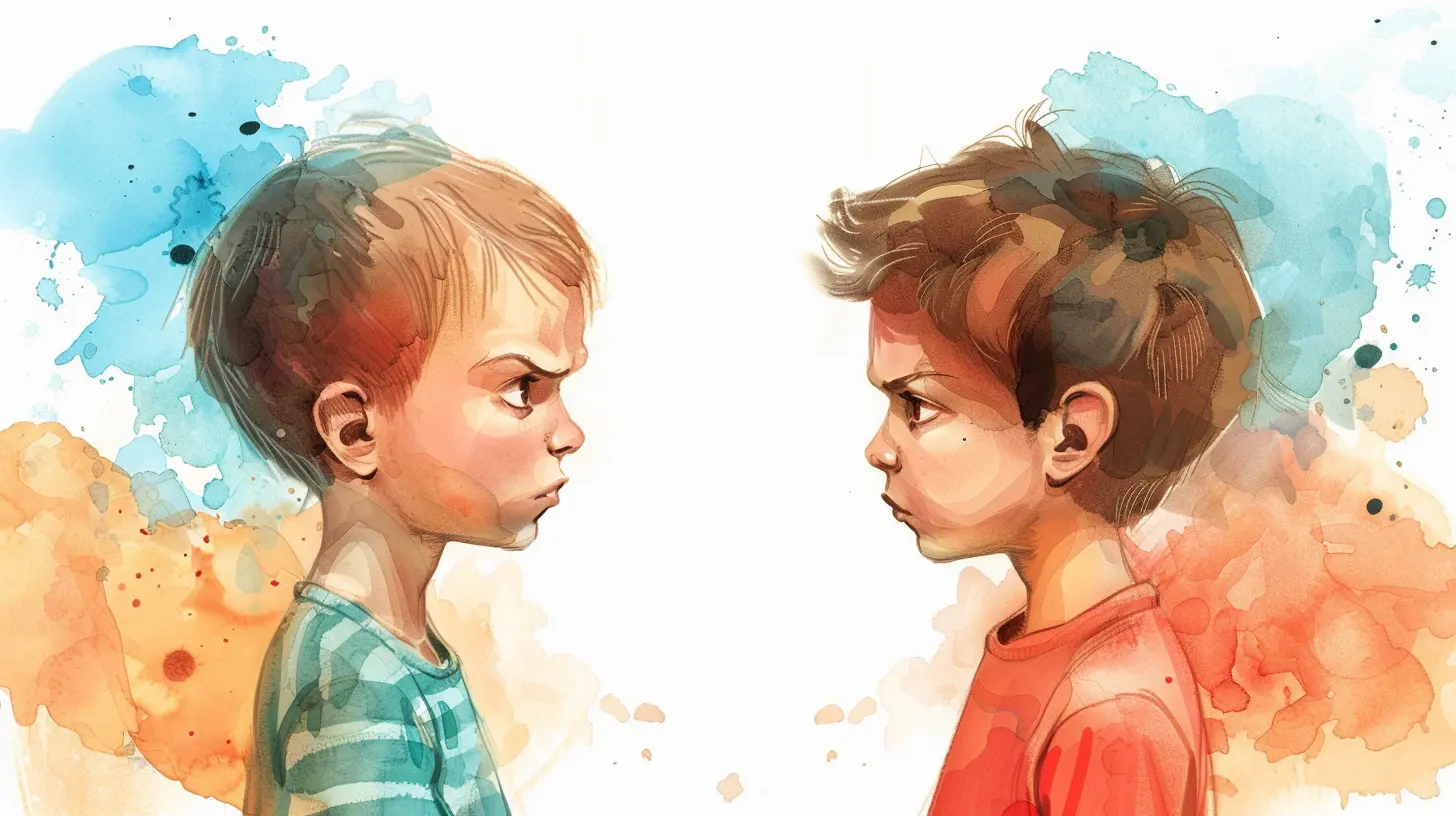
Why Talking About Emotions Matters
Before we get into the how, let’s touch on the why.Kids experience a rollercoaster of emotions every day. From joy and excitement to frustration and fear, these feelings can be intense—especially when they don’t know how to name or express them. By talking openly about emotions, you're not only helping your child feel seen and understood but also teaching them to manage their feelings instead of being ruled by them.
Think of emotions like waves: they rise, peak, and eventually fall. When a child learns to surf those “emotional waves” rather than be knocked over by them, they build crucial emotional resilience.
Step 1: Start With Yourself
Here’s some tough love—if you’re not comfortable talking about your own emotions, it’s hard to help your child do it.Take a moment to reflect: Do you suppress your feelings? Do you describe how you feel openly around your child? Do you model healthy ways of coping when you're stressed?
Children learn by imitation. If you bottle up your feelings or lash out when overwhelmed, that’s how they’ll learn to handle their own emotions. So, start by being more open with your emotional vocabulary. Say things like, “I’m feeling a little anxious today because I have a big meeting” or “I’m upset, but I know talking about it helps.” These simple statements go a long way.
Step 2: Create a Safe Emotional Space
If your child knows it’s safe to express emotions around you—without judgment—they’ll be far more likely to open up. That’s your emotional safe space.Here’s how to build it:
- Listen without interrupting. Honestly, just listen. Don’t jump in to fix the problem right away.
- Validate their feelings. Saying “I understand why you feel that way” is powerful.
- Avoid minimizing. Skip phrases like “You’re fine” or “Don’t cry.” These dismiss their emotional experience.
Remember, feelings aren’t facts, but they are real to your child. A safe space gives them the confidence to explore and untangle complex emotions without fear of criticism.
Step 3: Name the Emotion
Children often feel things long before they can articulate them. That’s where you come in.Narrate what you observe:
- “It looks like you’re feeling disappointed because we had to cancel the park.”
- “You seem frustrated—was it because your tower fell?”
Naming emotions helps children identify and label what they feel, which takes the fear out of it. It's like handing them a flashlight to look under the emotional bed, rather than letting the “monsters” grow scarier in the dark.
Use emotion charts or books on feelings if needed. You can even create a “Feelings Thermometer” or draw faces showing different emotions. Make it visual, fun, and simple.
Step 4: Ask Open-Ended Questions
Once your child has a name for what they’re feeling, open the door for deeper conversation. This is where you encourage emotional literacy.Try asking:
- “What made you feel that way?”
- “When did you start feeling like this?”
- “What do you think would help you feel better?”
These types of questions lead to more than yes or no answers. They encourage kids to think critically about their emotions and connect them to experiences.
Tip: Avoid turning it into an interrogation. Keep it casual, maybe while playing or during bedtime. Kids open up more in relaxed, pressure-free settings.
Step 5: Validate, Don’t Fix (Right Away)
One of the hardest things as a parent is seeing your child upset and not rushing in to fix the problem. But here’s the deal—your child doesn’t always need fixing. Sometimes, they just need to feel heard.Imagine you're venting to a friend, and they keep interrupting with solutions before you're even done talking. Annoying, right?
Instead, try:
- “That sounds really hard. I'm so sorry you're feeling that way.”
- “I remember feeling like that before too. It’s okay to feel sad.”
- “I'm here. We’ll get through this together.”
Emotional validation goes a long way in helping children feel safe and understood. It teaches them that feelings are okay—and temporary.
Step 6: Teach Coping Strategies
Once your child understands and has expressed their feelings, it's time for some emotional tools in their toolbox.Here are a few child-friendly coping strategies:
- Deep breathing. Try blowing up an “imaginary balloon”—inhale slowly, exhale deeply.
- Drawing or journaling. Let them express through art or simple journaling.
- Movement. Take a walk, dance it out, ride a bike—get those endorphins flowing.
- Mindfulness. Teach simple grounding exercises like “5 things you can see, 4 you can touch,” etc.
- Positive self-talk. Replace “I’m bad” with “I made a mistake, and that’s okay.”
Practice these tools together during calm moments, not just during meltdowns. Make them part of your daily routine so they become second nature.
Step 7: Normalize All Emotions
Our culture sometimes teaches kids that certain feelings—like anger or sadness—are “bad.” Let’s crush that myth.All emotions have a purpose. Anger might be telling us something feels unfair. Sadness might be signaling that we lost something important. Emotions are messages, not enemies.
Let your child know:
- It’s okay to be angry—but not to hit.
- It’s okay to feel jealous—but let’s talk about it instead of yelling.
- It’s okay to be scared—even grown-ups get scared sometimes.
No feeling is off-limits. It’s how we handle them that matters.
Step 8: Share Stories and Books About Emotions
Storytelling is magic. It helps kids step into someone else’s shoes and feel seen.Look for books that address emotions and struggles in age-appropriate ways. Some great options:
- The Color Monster by Anna Llenas
- When Sophie Gets Angry—Really, Really Angry by Molly Bang
- In My Heart: A Book of Feelings by Jo Witek
You can also share personal stories: “When I was your age, I felt really nervous on the first day of school too...” This not only humanizes you but shows that emotions are a shared human experience.
Step 9: Set Boundaries for Emotional Outbursts
Letting your child express emotions doesn’t mean accepting all behavior.Teach them the difference between emotions and actions:
- “It’s okay to feel mad, but it’s not okay to hurt your brother.”
- “I know you’re upset we have to leave, but screaming is not how we talk to each other.”
Establish clear, consistent boundaries—lovingly.
Offer alternatives:
- “You can tell me you’re mad without yelling.”
- “Want to stomp your feet outside instead of throwing toys?”
Boundaries plus empathy = healthy emotional development.
Step 10: Keep the Conversation Going
Talking about emotions isn’t a one-time box to check—it’s a lifelong conversation.Make emotional check-ins part of your daily routine:
- At dinner, ask: “What was a tricky part of your day?”
- At bedtime: “How are you feeling right now?”
The more normal these talks become, the more emotionally intelligent your child will grow up to be.
Final Thoughts
Talking to your child about complex emotions isn’t always easy. There will be eye rolls. Tears. Maybe even the occasional door slam. That’s okay.Remember, you're not trying to raise a kid who never feels sad or anxious or angry. You're raising a human who knows how to recognize, respect, and make peace with their emotions.
Think of yourself as their “emotional coach.” You’re guiding them through the playbook of life’s feelings. And trust me—every practice, every talk, every hug—it all counts.
So next time your child is melting down or struggling with something big, take a breath, get down to their level, and say, “I’m here. Let’s talk about it.”
Because that, right there, is the start of resilience.
all images in this post were generated using AI tools
Category:
Emotional IntelligenceAuthor:

Zelda Gill
Discussion
rate this article
1 comments
Spencer Castillo
Talking to your child about complex emotions is crucial. Validate their feelings and use relatable examples. Encourage open dialogue, ensuring they know it's okay to express themselves. This builds emotional intelligence and strengthens your connection. Don't underestimate this vital skill.
August 22, 2026 at 3:16 PM
Zelda Gill
Absolutely, open dialogue is key. Validating feelings helps children feel understood and supported. It really does lay the groundwork for emotional intelligence. Thank you for emphasizing this!