How to Talk to Kids About Global Justice Issues
4 November 2026
Talking to kids about global justice issues can feel overwhelming for many parents. The topics are complex, often laden with emotional weight, and can seem too big for young minds. However, these conversations are crucial. They help children develop empathy, understand the world around them, and become socially aware citizens. This guide will provide you with practical strategies, insights, and examples to help navigate these important discussions.
Understanding Global Justice Issues
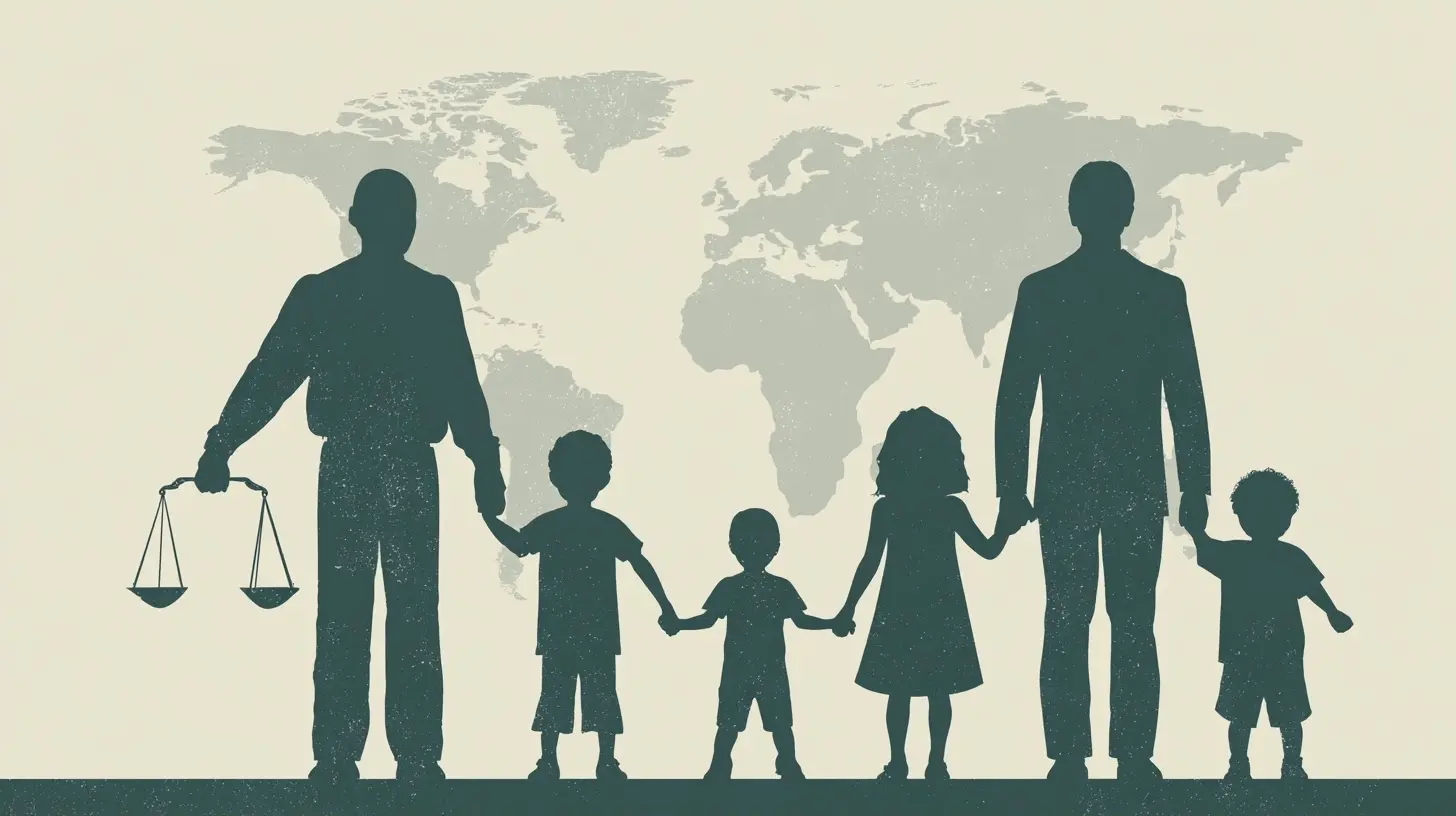
Before engaging with your child, it is vital to grasp what global justice issues encompass. These can include topics like poverty, climate change, human rights, inequality, and access to education. Each issue carries its own intricacies and can impact people's lives in profound ways.The Importance of Early Engagement
Research suggests that children as young as three can begin to understand concepts of fairness and justice. As they grow, their ability to comprehend complex social issues increases. Engaging them early fosters critical thinking and compassion.Misconceptions About Kids' Understanding
A common misconception is that children are not ready to discuss serious topics until they are older. In reality, kids often have a deeper understanding than we assume. They see injustices in their daily lives, whether in their schools or communities. Starting these conversations can validate their feelings and encourage critical thinking.
Approaching the Conversation
Timing Matters
Choose an appropriate time to introduce these discussions. You might want to bring up global justice issues during family meals, while watching the news, or when reading a book that touches on these themes.Tailor the Message to Their Age
- Ages 4-7: Focus on basic concepts like fairness and kindness. Use stories and examples that resonate with their experiences. For instance, discussing how sharing toys can relate to sharing resources in a community.- Ages 8-12: At this stage, children can understand more complex issues. Discuss specific examples, like climate change or poverty, and encourage them to ask questions. You could relate the topic to current events that they might hear about in school.
- Ages 13 and up: Teenagers can engage in deeper discussions and debates. Encourage them to explore different viewpoints and consider the implications of their beliefs.
Creating a Safe Space
Ensure your child feels comfortable expressing their thoughts and emotions. Use open-ended questions to invite dialogue. For example, instead of asking, "Did you hear about the floods in another country?", try "What do you think happens to people when natural disasters strike?"
Key Strategies for Effective Conversations
Use Age-Appropriate Language
Avoid jargon or complex terms that might confuse them. Simplify concepts without diluting the message. For example, instead of saying "economic disparity," you might say "some people have a lot of money while others have very little."Storytelling as a Tool
Stories can bridge the gap between complex issues and children's understanding. Books, films, and personal anecdotes can illustrate global justice themes. For instance, reading about a child who faces inequality can make the issue more relatable.Encourage Empathy
Engage your child's empathetic side. Ask them how they would feel in someone else's shoes. You might say, "Imagine if you couldn't go to school because your family needed you to work. How would that make you feel?"Foster Critical Thinking
Encourage your child to think critically about the information they receive. Ask them to consider sources and the motivations behind them. You might say, "Why do you think this article was written? Who benefits from this information?"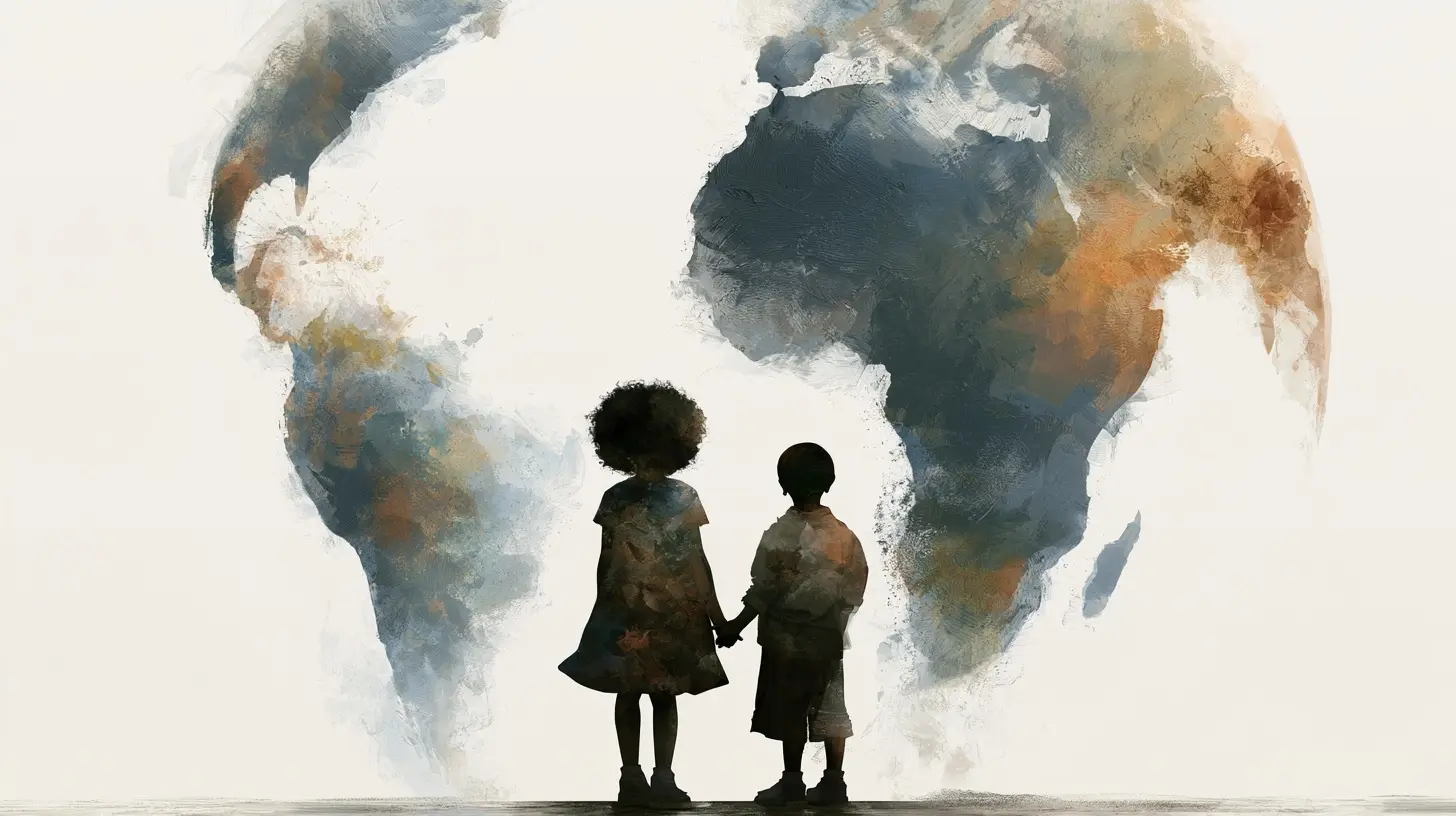
Real-World Examples
Climate Change
Discussing climate change can be daunting but necessary. Start by explaining how it affects everyone, particularly vulnerable communities. You might say, "Some people live in places where the weather is changing a lot, and it makes it hard for them to grow food."Refugees and Displacement
Explaining the plight of refugees can be eye-opening for children. Use stories or documentaries that highlight individual experiences. You might frame it as, "Imagine having to leave your home because it's not safe anymore. How would that feel?"Common Mistakes to Avoid
Overloading with Information
Avoid overwhelming your child with too much information at once. Break topics down into digestible parts. Focus on one issue at a time, allowing them to absorb and reflect before moving on.Dismissing Their Feelings
Children may express fear or sadness when discussing global issues. Acknowledge their feelings rather than dismissing them. You could say, "It's okay to feel sad about these issues. Many people feel this way. What do you think can be done to help?"Neglecting Follow-Up Conversations
One conversation is rarely enough. Regularly revisit these discussions to deepen understanding and address new questions that arise. Follow up with questions like, "What do you think about what we talked about last week?"
Best Practices for Ongoing Engagement
Involve Them in Action
Getting kids involved in community service or activism can make issues more real. Encourage them to participate in local events or advocacy groups. This hands-on experience fosters a sense of agency.Use Media Wisely
Select media that presents global justice issues in an age-appropriate manner. Documentaries, news segments, and articles can be valuable tools when curated carefully. Discuss what you watch together to help them process the information.Encourage Open Dialogue
Maintain an ongoing dialogue about global justice issues. Create opportunities for your child to share their thoughts. Family discussions can be a great way to keep the conversation flowing.Potential Challenges
Emotional Toll
Discussing global justice issues can be emotionally taxing for both parents and children. Be mindful of how these discussions affect your child's mental health. If they seem overwhelmed, it may be beneficial to take a step back and approach lighter topics.Balancing Optimism and Realism
While it's important to address serious issues, instilling hope is equally vital. Discuss positive changes and solutions being implemented worldwide. Encourage your child to think about how they can contribute positively.
Conclusion
Talking to kids about global justice issues is a multifaceted endeavor that requires sensitivity, patience, and creativity. By creating a safe space for discussion, tailoring your approach to their developmental stage, and engaging them with empathy and actions, you empower your children to understand and care about the world around them.These conversations may not always be easy, but they are essential in fostering a generation of compassionate, informed individuals who are ready to take on the challenges of a complex and changing world.
all images in this post were generated using AI tools
Category:
Parenting EthicsAuthor:
Zelda Gill