How to Support Kids Who Witness Bullying
7 August 2026
Bullying is a serious issue that affects not just the victim but everyone around them, including the bystanders. Many times, kids who witness bullying feel confused, scared, or even guilty for not stepping in. But how can we support them in doing the right thing? As parents, caregivers, or educators, it's crucial to guide kids on how to respond when they see bullying.
In this article, we’ll dive deep into why bystanders matter, how they can make a difference, and how you can empower your child to stand up against bullying effectively.
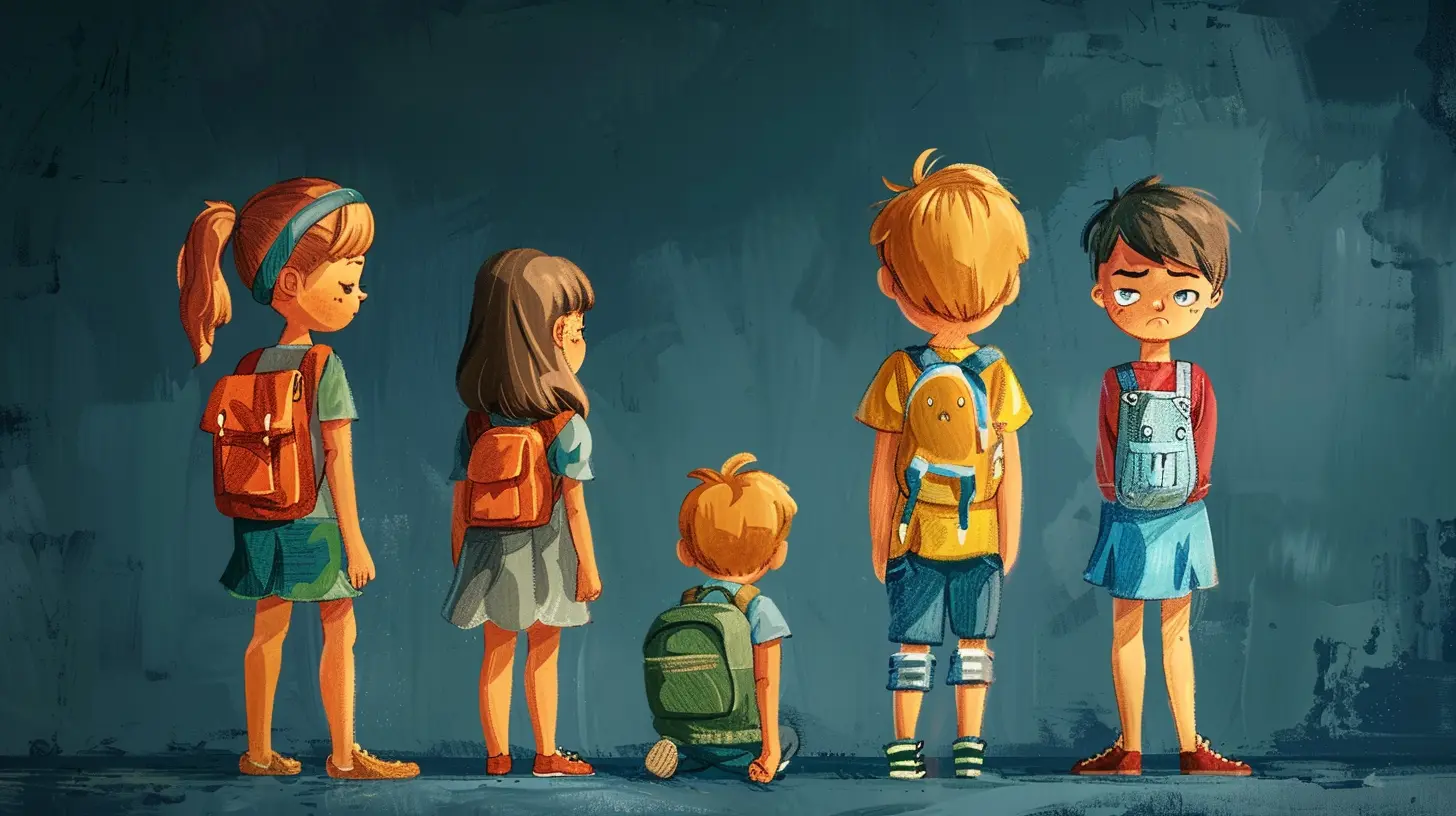
Why Bystanders Play a Key Role in Bullying
It’s easy to focus solely on the bully and the victim, but the truth is, bystanders hold incredible power in stopping bullying. When kids witness bullying, they often experience a whirlwind of emotions—fear, uncertainty, guilt, or even relief that they’re not the target.But here’s the thing: bullying thrives in silence. When bystanders choose to act, they can help shift the power away from the bully and create a safer environment for everyone.
Common Reactions of Bystanders
Kids who witness bullying typically react in one of these ways:1. They Stay Silent – Many children don’t want to get involved out of fear that they’ll become the next target.
2. They Encourage the Bully – Some kids laugh along or even egg the bully on because they think it makes them look "cool."
3. They Defend the Victim – A small but brave percentage might step in and try to stop the bullying.
4. They Tell an Adult – Some kids report the bullying to a teacher or parent, but many hesitate because they don’t want to be labeled as a "snitch."
Your job as a parent? Help your child understand that they don’t have to be a silent witness. They have options, and more importantly, they have power.

How to Teach Kids to React to Bullying as a Bystander
So, how can you guide your child to respond effectively when they see bullying? Here are some practical steps.1. Encourage Empathy: Put Themselves in the Victim’s Shoes
Empathy is the foundation of kindness. Help your child understand how the victim feels. Ask them:- "How would you feel if someone treated you that way?"
- "What if it were your best friend being targeted?"
When kids develop empathy, they’re more likely to take action instead of just looking the other way.
2. Teach Them Safe Ways to Intervene
Not every situation allows for direct intervention, but in certain cases, bystanders can help stop bullying in the moment. Kids can:- Distract the Bully – Changing the subject, making a joke, or redirecting attention can sometimes deescalate the situation.
- Support the Victim – Even just standing next to the victim and offering a reassuring word can make a huge difference.
- Use Their Voice – A simple, confident statement like "That’s not cool, stop it" can discourage a bully.
However, if the situation seems dangerous, direct confrontation may not be the best option—this is where telling an adult becomes critical.
3. Break the ‘Snitch’ Stigma
One of the biggest reasons kids hesitate to report bullying is because they don’t want to be called a "snitch." Help your child see that reporting bullying isn’t about getting someone in trouble—it’s about getting someone out of trouble.Explain it like this: If someone was drowning, would you let them struggle, or would you call for help? Reporting bullying is the same thing—it’s saving someone from harm.
4. Role-Playing Scenarios
Kids learn best through practice. Try role-playing different bullying scenarios with them. What would they do if they saw someone getting picked on at school or online? How would they respond if a friend was being mean to another classmate?Running through these situations gives them confidence to act appropriately in real-life situations.
5. Foster a "No-Bullying" Mindset at Home
Children often mirror what they see at home. If they grow up in an environment that values kindness, respect, and inclusion, they’re more likely to carry those values into the world.Make sure your home is a place where:
- Kindness is encouraged – Celebrate small acts of kindness in daily life.
- Negative behavior is addressed – If your child engages in teasing or mean-spirited behavior, correct it immediately.
- Everyone has a voice – Encourage open discussions about feelings, friendships, and conflicts.
6. Encourage Them to Be Kind After the Incident
Even if your child doesn’t feel comfortable intervening during the bullying, they can still make an impact afterward by:- Checking in on the victim
- Offering support or friendship
- Encouraging the victim to talk to an adult
A simple "Are you okay?" can mean the world to someone who’s been bullied.
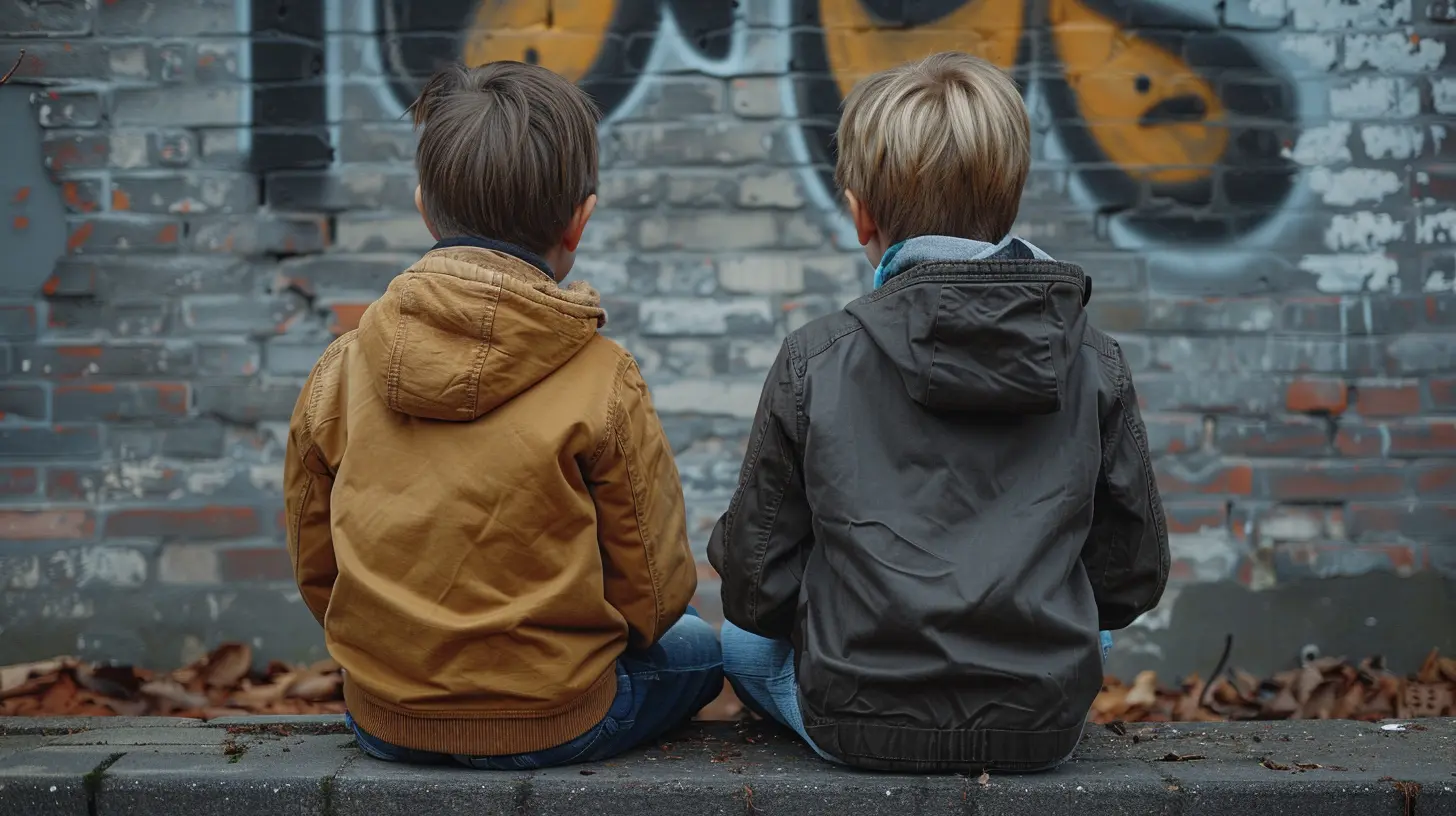
How to Support Your Child Emotionally
Being a bystander in a bullying situation can be emotionally stressful. Your child might feel guilty for not speaking up or scared that they’ll become the next target. Here’s how to support them:- Reassure them that they’re not at fault – Let them know that witnessing bullying is tough, and their feelings are valid.
- Provide a safe space to talk – Encourage open conversations about what they saw and how they felt.
- Help them come up with a plan for the future – If they regret not acting, talk through ways they can respond next time.

Cyberbullying: The Digital Bystander Dilemma
With the rise of social media, bullying isn’t just happening on playgrounds—it’s happening online too. Digital bystanders often face the same dilemmas as in-person witnesses.If your child sees cyberbullying, they can:
- Not engage – Avoid liking, sharing, or commenting on hurtful content.
- Support the victim privately – Sending a simple message like "That wasn’t right. Are you okay?" can make a difference.
- Report the bullying – Most platforms have options to report harassment anonymously.
Teach your child that even silence online can be powerful—not giving attention to a bully can sometimes take away their power.
Final Thoughts: Every Kid Has the Power to Make a Difference
Bullying is a tough issue, but no child should feel powerless in the face of it. By teaching kids to be empathetic, confident, and proactive, we can raise a generation that stands up for what’s right.Remind your child that even small actions—standing by someone’s side, offering a kind word, or letting an adult know—can make a massive impact. The more we empower our kids to speak up, the closer we get to a world where bullying doesn’t stand a chance.
all images in this post were generated using AI tools
Category:
Dealing With BullyingAuthor:

Zelda Gill
Discussion
rate this article
1 comments
Paris Howard
Supporting kids who witness bullying is crucial for their emotional development. Encouraging open communication can help them express their feelings. Teach them empathy and problem-solving skills, allowing them to understand the situation better. Empowering them to be allies can foster resilience and a sense of responsibility.
August 10, 2026 at 3:44 AM
Zelda Gill
Absolutely, supporting kids who witness bullying is essential. Encouraging communication and teaching empathy helps them navigate these tough situations and become proactive allies. It builds their resilience and sense of responsibility. Thank you for highlighting this important aspect!