How to Address Mean Girls: Tackling Social Exclusion and Bullying
8 July 2026
Let’s face it—growing up is tough. Kids are navigating a maze of friendships, social dynamics, and self-discovery. Throw in a sprinkle of social exclusion, a dash of bullying, and it feels like a pressure cooker ready to burst. As a parent, witnessing your child deal with mean girls is heartbreaking. It makes you want to step in, say all the right things, and fix everything. But how do you do that without overstepping? How do you guide your child to stand tall and address these challenges head-on? That’s where this article comes in.
In this post, we’ll tackle the issue of mean girls, their impact, and how to help your child deal with social exclusion and bullying in a constructive way. Grab a cup of coffee, take a deep breath, and let’s dive in. 
What Exactly Is a "Mean Girl"?
First, let’s define the term. We’re not talking about the 2004 movie (though it was iconic). "Mean girls" refers to a specific type of relational aggression—think passive-aggressive comments, exclusion, spreading rumors, and manipulation. It’s a toxic social behavior that tends to crop up in cliques, most commonly among preteens and teenagers.It’s not always blatant name-calling or physical bullying. Often, it’s subtle, like being left out of a group chat or not invited to a birthday party. Sometimes it feels like walking into a room full of whispers and sideways glances. Sting, right?
But here’s the kicker: mean girls often act out because of their own insecurities. Hurt people hurt people. This doesn’t excuse their behavior, but it’s important to remember when teaching your child how to respond. 
The Ripple Effect of Mean Girl Behavior
Mean girl behavior isn’t just “kids being kids." It can have long-term consequences for your child’s emotional and mental well-being. Social exclusion and bullying can lead to:- Low self-esteem: Your child might start doubting their worth.
- Anxiety and depression: Being ostracized can feel isolating.
- Difficulty trusting others: Friendships may feel risky after being betrayed or excluded.
It’s critical to address these issues early before they snowball into bigger problems. Think of this as planting the seeds of resilience in your child’s garden of growth. 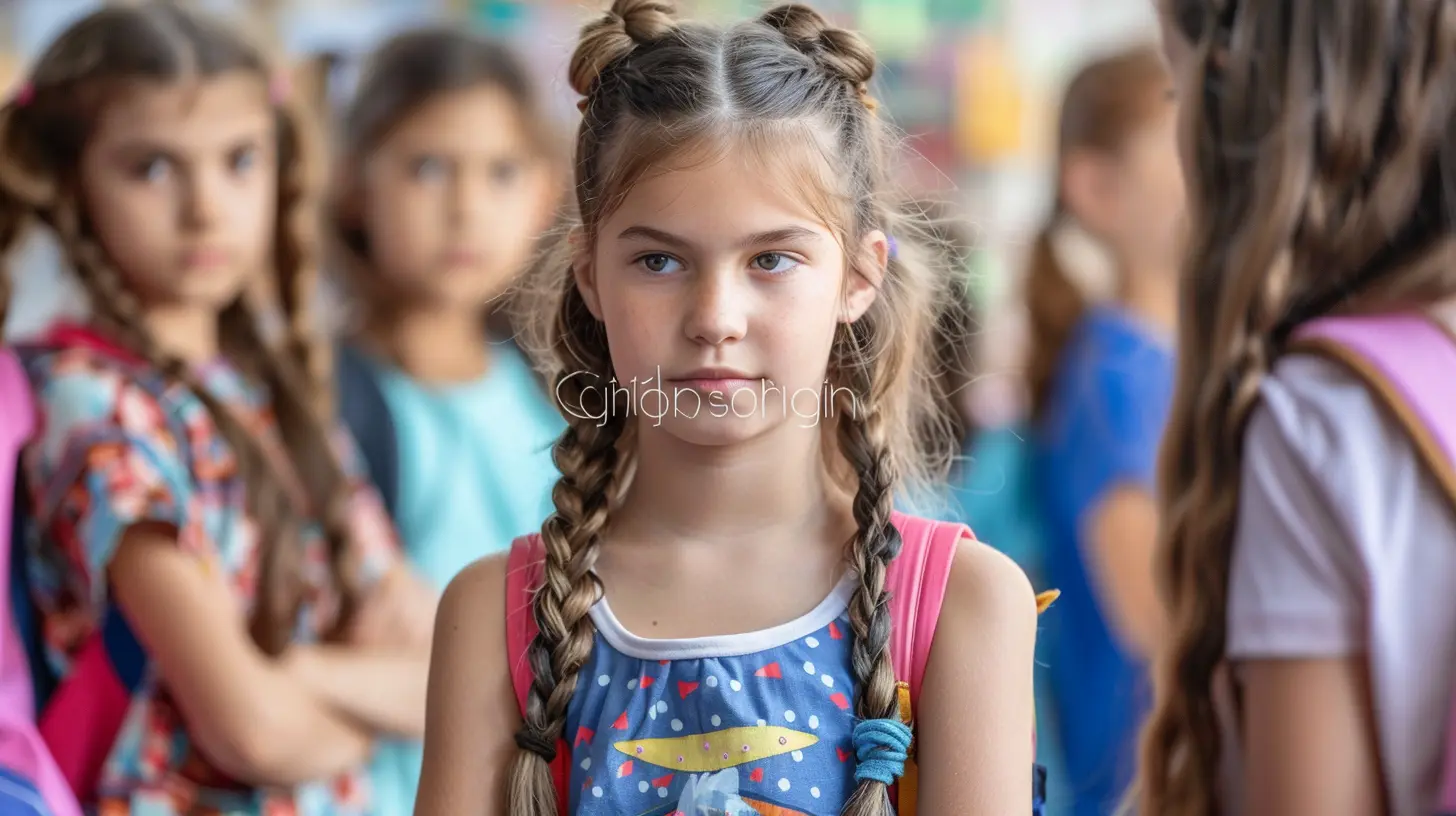
Signs Your Child Might Be Dealing with Mean Girls
Sometimes, your child won’t come right out and say, “I’m being bullied.” Adolescents may internalize their struggles or downplay them out of embarrassment. Here’s what to watch for:- Emotional changes: Are they more irritable, withdrawn, or unusually sad?
- Social withdrawal: Are they spending less time with friends or avoiding social situations?
- Changes in school performance: Are their grades dropping, or do they seem less interested in school?
- Physical symptoms: Headaches, stomachaches, or complaints of not feeling well may be stress-related.
Remember, it’s not always easy for a child to articulate their feelings. Your role is to create a safe, open space for them to share what’s on their mind. 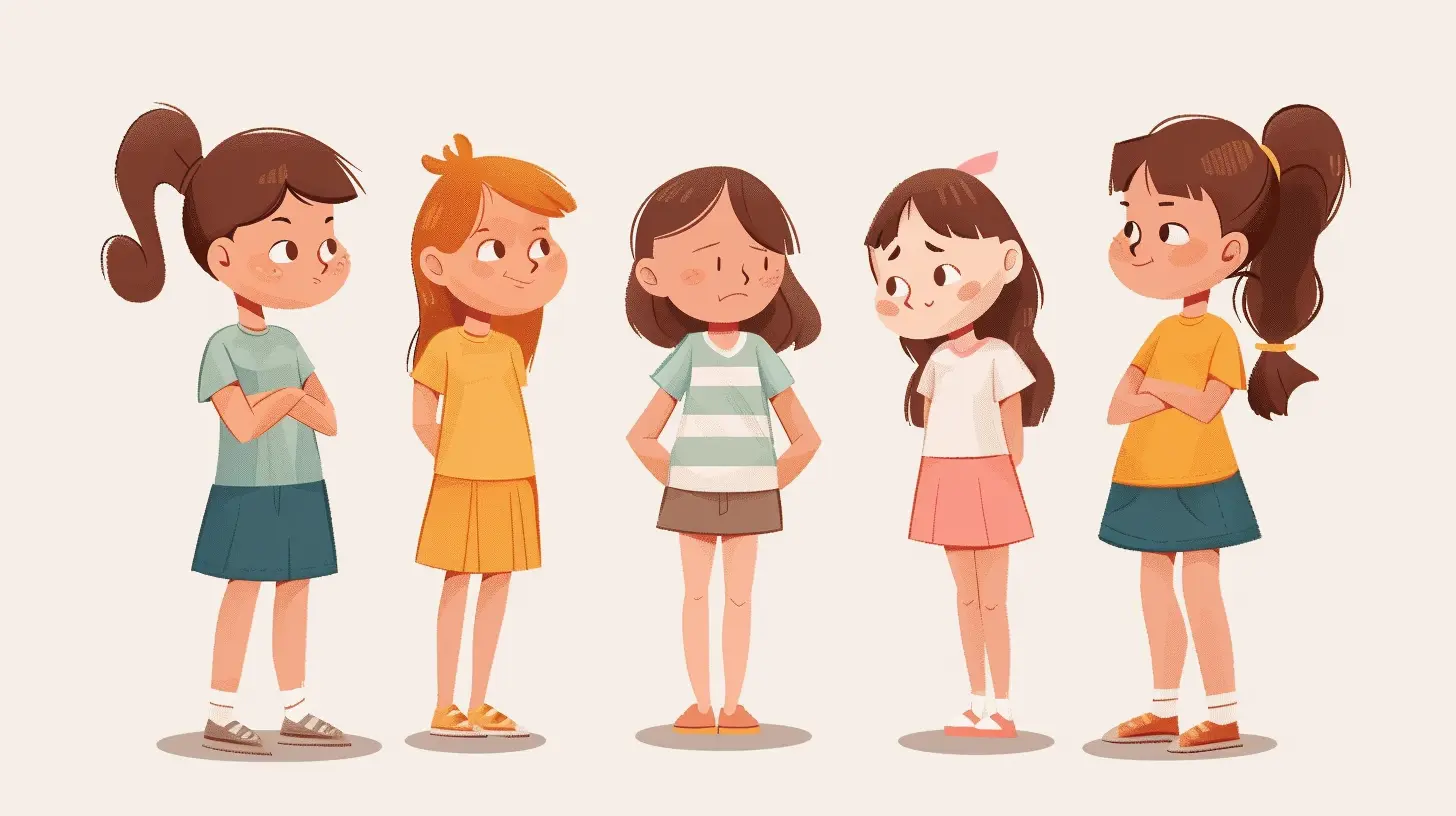
How Can You Help?
Let’s get practical. Here’s a step-by-step approach to helping your child navigate mean girl dynamics with grace and strength.1. Talk (and Listen!) Without Judgment
Imagine if you vented to someone, and they immediately started with, “Why didn’t you just do this?” Unhelpful, right? The first step is to listen—really listen. Encourage your child to share their experiences openly by asking open-ended questions like:- “How did that situation make you feel?”
- “What do you think might be causing this behavior?”
Once you understand the full story, offer calm, supportive feedback without jumping into “fix-it” mode.
2. Teach Empathy and Perspective
This one’s tricky but effective. Help your child understand that mean girls often lash out because they’re grappling with their own insecurities. Explain it like this: “It’s kind of like a balloon full of bad feelings. Instead of letting it out the right way, they pop it on someone else—but that’s not about you, it’s about them.”While empathy doesn’t justify their actions, it takes away some of their power. When kids realize they’re not the problem, it’s freeing.
3. Role-Play Confidence and Assertiveness
Sometimes, handling mean girls requires stepping into the role of the “bigger person." Role-playing can help your child practice responses to difficult situations. Try scenarios like:- If they’re excluded: “It’s okay if you don’t want me to join, but I’ll find another group to hang out with.”
- If they’re insulted: “I’m sorry you feel that way, but I like myself just the way I am.”
Teach them to calmly deliver these lines without overreacting. It’s like teaching them to stand tall without throwing punches.
4. Foster a Strong Support Network
Encourage your child to invest in friendships with people who celebrate them for who they are. Quality over quantity, right? Help them discover hobbies or activities where they can meet like-minded peers.Make sure they know your home is always a safe space—a place where they can be 100% themselves. Let them know they’re not alone in this.
5. Set Boundaries for Digital Interactions
Let’s not forget the digital battleground. Often, social exclusion and bullying spill over into social media. Set clear rules about screen time and monitor apps without invading your child’s privacy. Teach them how to block and report toxic behavior online.Explain that their worth isn’t measured in likes, followers, or group chat invites. What’s truly valuable can’t be captured in pixels.
6. When to Involve Authority Figures
There are times when the situation escalates beyond what a child can handle on their own. If the bullying is relentless or threatening, it’s time to step in. Talk to teachers, school counselors, or administrators. Provide specific examples of what’s going on, and work collaboratively to address the issue.Remember, you’re not “overreacting” if your child’s well-being is at stake. You’re advocating for their safety—a skill they’ll learn by watching you.
Building Resilience for the Long Haul
Resilience is like a muscle—the more you exercise it, the stronger it gets. While you can’t shield your child from every hurtful comment or exclusionary act, you can teach them how to handle adversity with grace.Encourage them to:
- Focus on their strengths: What are they good at? What makes them unique?
- Set personal goals: Pursue activities that bring joy and fulfillment.
- Practice self-care: Teach them that it’s okay to prioritize their mental health.
Remind them that no matter how stormy life gets, they’re capable of weathering it. And as their parent, you’ll always be their safe harbor.
The Bigger Picture
Here’s the thing: tackling the mean-girl phenomenon isn’t just about helping your child through a rough patch. It’s about raising empathetic, confident individuals who can navigate the complexities of life.Every time you guide your child through these situations, you’re giving them the tools they need to handle challenges independently. You’re shaping future leaders, creators, and kind-hearted humans.
It’s not always easy—parenting rarely is. But with patience, love, and a little bit of strategy, you’ll help your child rise above the drama and come out stronger on the other side.
all images in this post were generated using AI tools
Category:
Dealing With BullyingAuthor:

Zelda Gill
Discussion
rate this article
1 comments
Natalie Benson
Mean girls can't dim your light! Teach your kids to shine brighter in kindness.
July 14, 2026 at 2:26 AM
Zelda Gill
Absolutely! Teaching kindness is key to overcoming negativity. Let's empower our kids to shine with compassion and confidence.