How Augmented Reality Is Changing Storytime
29 August 2026
Storytime has always been a sacred ritual in parenting. The weight of a picture book, the turn of a thick page, the way a child's eyes widen at an illustration. But that ritual is shifting. Augmented reality, or AR, is no longer a futuristic gimmick confined to smartphone games. It is quietly embedding itself into children's literature, and it is changing what it means to read together.
This is not about replacing books. It is about expanding what a book can do. When you hold a tablet over a page and a dragon suddenly flaps its wings across the kitchen table, the line between story and reality blurs. For parents, this raises a lot of questions. Is this actually good for my child? Will it ruin traditional reading? How do I use it without losing the magic of a printed page?
The answer is more nuanced than a simple yes or no. AR storytime is a tool, and like any tool, it works brilliantly in some hands and poorly in others. The key is understanding what it changes, what it preserves, and when to put the tablet down.
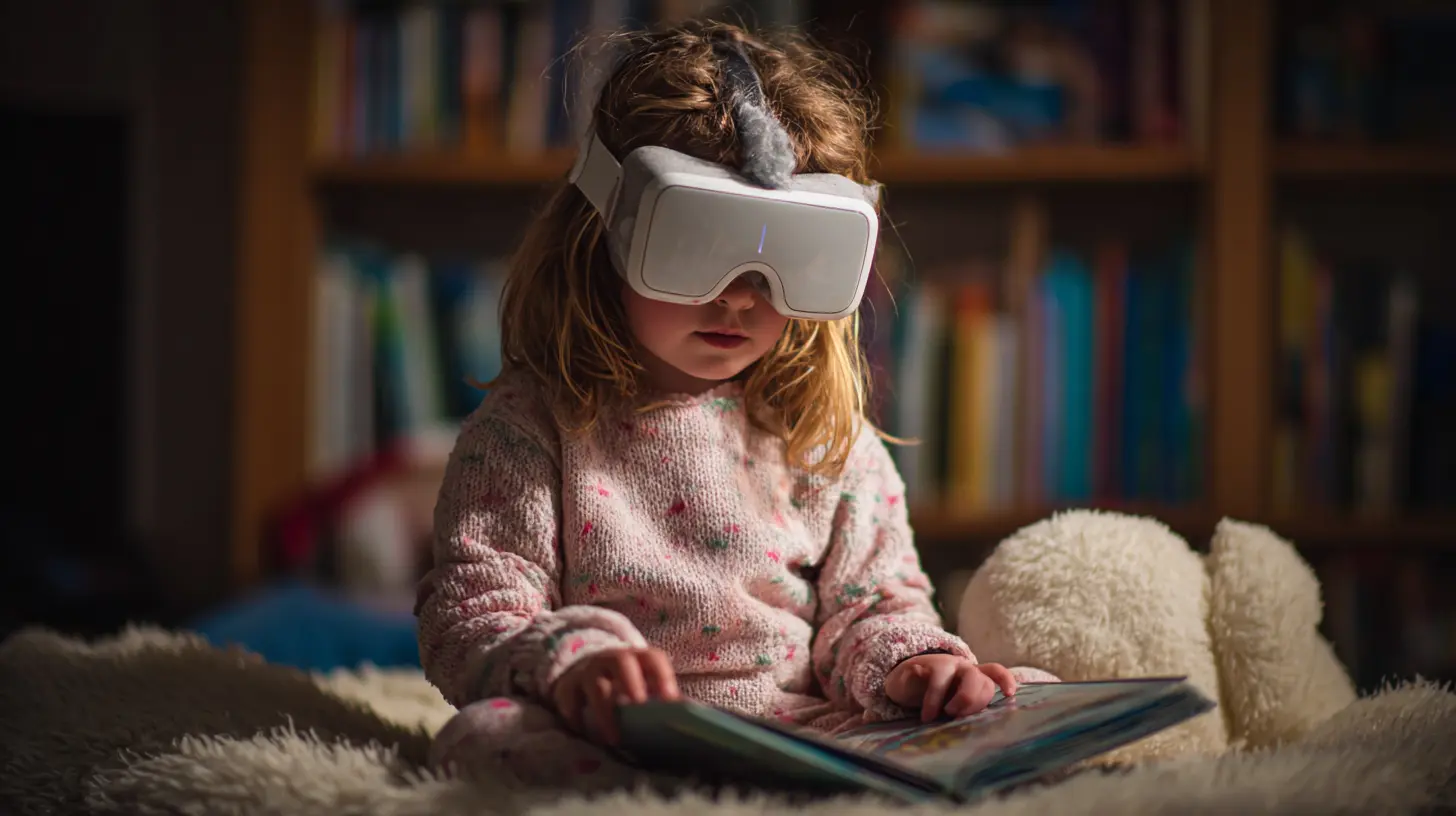
What Augmented Reality Actually Does in Storybooks
Before diving into parenting advice, it helps to understand the mechanics. Augmented reality in children's books typically works in one of three ways.The first is the "pop-up" model. You open a companion app on a phone or tablet, point the camera at a page, and the illustration comes to life. Characters move, sounds play, and sometimes a simple animation plays out. This is the most common approach, used by brands like Disney and various indie publishers. It is simple, requires little setup, and works with existing printed books.
The second model is the "interactive overlay" approach. Here, the AR does not just animate the page; it adds elements that are not there. A character might speak directly to the child, asking questions. A hidden object might appear when the child tilts the device. The story becomes a hybrid experience, part book, part game, part performance.
The third model is fully immersive AR, where the story happens in the child's real environment. You might scan a marker on the floor, and suddenly a forest grows around the living room couch. The child walks around the story, interacting with characters as if they were physical toys. This is rarer and more expensive, but it is where the technology is heading.
Each model changes the reading experience differently. The pop-up model preserves the book as the centerpiece. The overlay model shifts attention between the page and the screen. The immersive model abandons the page almost entirely. Understanding this distinction matters because it determines what your child is actually doing during storytime.
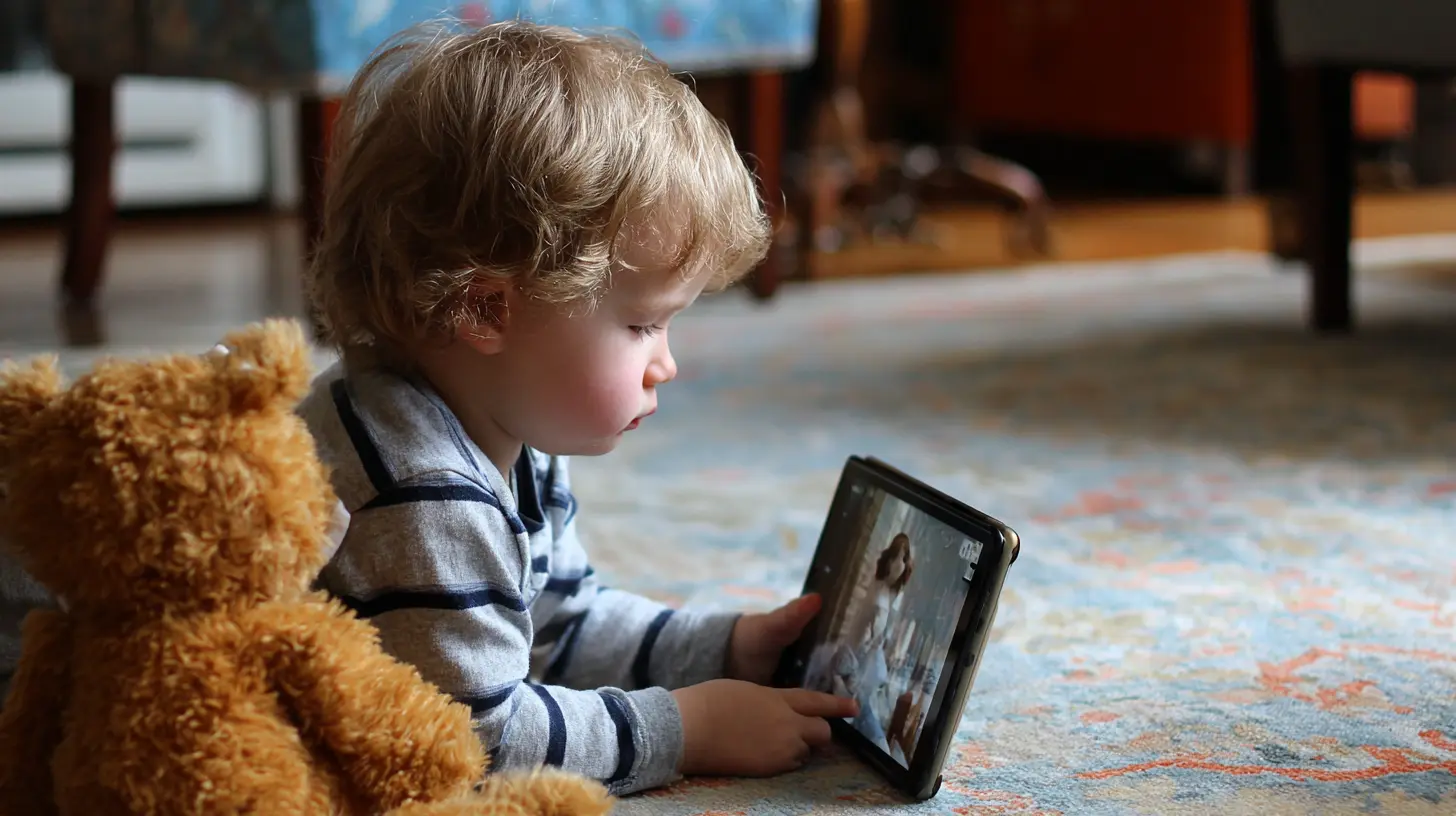
The Cognitive Trade-Offs You Need to Know
Here is where the conversation gets serious. As a parent, you want to know if AR helps or hurts your child's development. The honest answer is that it depends on how you use it, but there are clear trade-offs.On the positive side, AR can boost engagement for reluctant readers. A child who finds static pages boring may light up when a character waves at them. The novelty factor is real, and it can pull a child into a story they would otherwise ignore. For children with attention difficulties, the multisensory input can provide enough stimulation to maintain focus.
AR also supports comprehension in specific ways. When a child sees a character's facial expression animate, they get emotional cues that are absent from a static illustration. This can help with emotional intelligence and understanding narrative subtext. Similarly, spatial elements in AR can help children grasp concepts like size, distance, and cause and effect more intuitively.
But there are downsides. The biggest one is cognitive load. When a child reads a traditional book, their brain does a lot of work: decoding text, imagining scenes, inferring emotions, building mental models. AR does some of that work for them. This is helpful when a child is struggling, but it can become a crutch. Over time, a child may come to expect the animation and lose the ability or willingness to imagine on their own.
There is also the issue of pacing. Traditional reading moves at a child's pace. You can linger on a page, discuss it, go back. AR experiences often have a timed element. Animations play, sounds trigger, and the story moves forward whether the child is ready or not. This can rush comprehension, especially for younger children who need repetition.
Finally, consider the attention economy. AR is designed to be engaging, but engagement is not the same as presence. A child staring at an animated dragon on a tablet is not looking at your face. They are not watching your lips form words or seeing your expressions. The social connection of storytime, which is arguably its most valuable component, can get lost in the visual spectacle.
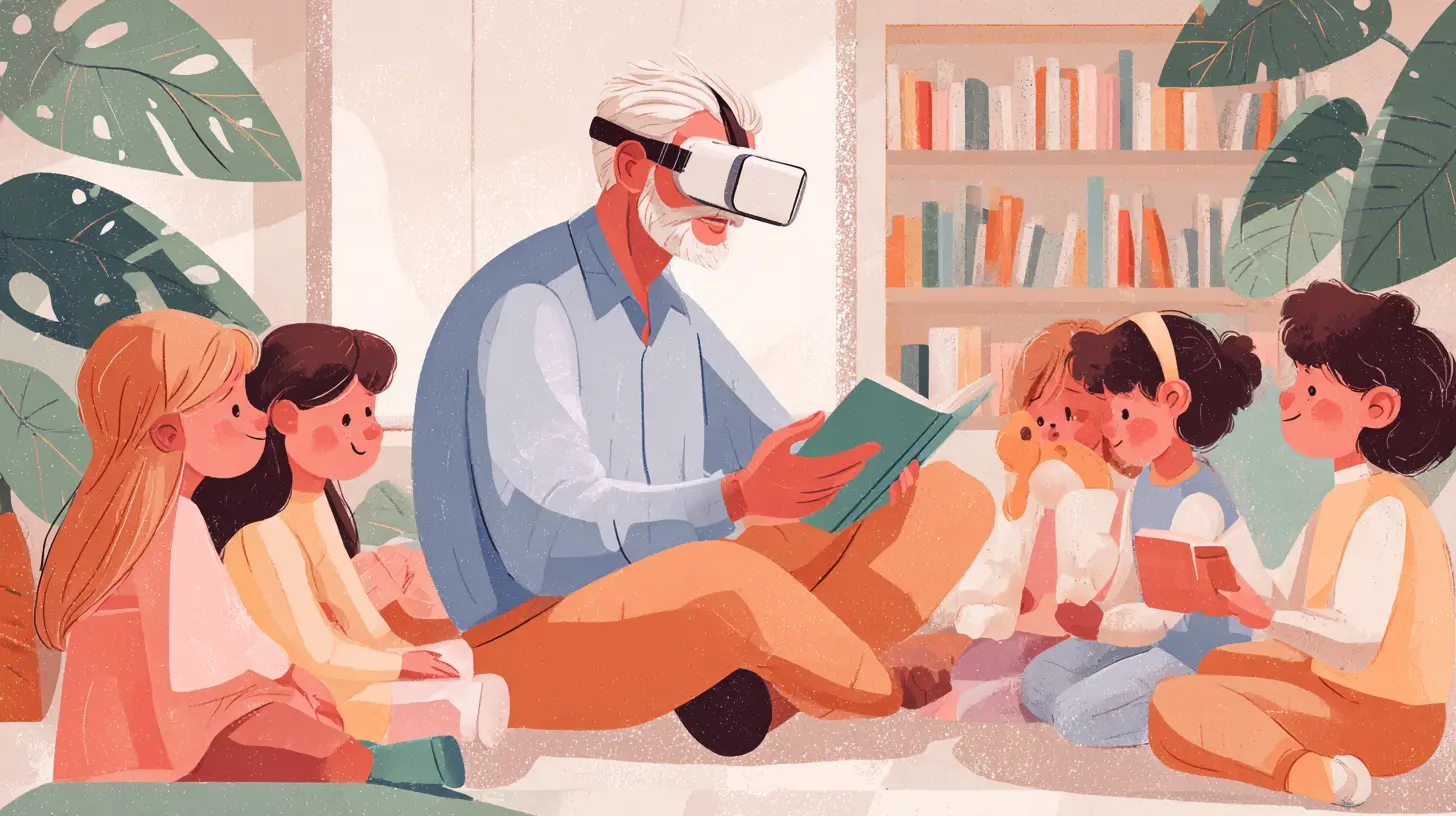
Why the Social Aspect Still Matters Most
Here is something that often gets lost in the technology debate. The most important part of storytime is not the book. It is the relationship. When you read to your child, you are building a shared emotional experience. Your voice, your warmth, your physical closeness, these are what create the security and attachment that make reading a positive memory.AR can support this if you use it intentionally. Instead of handing your child the tablet and walking away, sit beside them. Use the AR as a conversation starter. When the dragon appears, ask your child what they think the dragon is feeling. Use the animation to prompt discussion, not replace it.
But if you use AR as a babysitter, you lose that connection. The child gets the stimulation, but they miss the warmth. Over time, they may associate reading with screen time rather than with you. That is a costly trade.
The practical rule is simple: AR should be a shared activity, not a solo one. If your child is using an AR book, you should be there, talking, pointing, and asking questions. The technology is a prop, not a replacement.

Practical Ways to Integrate AR Without Losing the Magic
If you want to try AR storytime, start small and set clear boundaries. Here are some strategies that work well in real homes.First, use AR as a reward or supplement, not the main event. Read the book traditionally first, all the way through, without any screens. Let your child build their own mental images. Then, on the second or third read, bring out the AR version. This way, the child has already practiced imagination and comprehension before the visual aids arrive. The AR becomes a special treat, not a default expectation.
Second, set a time limit. AR experiences are stimulating, and children can easily get sucked into them for long stretches. A good rule is fifteen minutes of AR for every thirty minutes of traditional reading. This keeps the novelty alive and prevents the technology from dominating your child's reading habits.
Third, choose AR books that align with your child's interests. If your child loves dinosaurs, find an AR book about dinosaurs. The technology is more effective when it feeds an existing passion rather than trying to create one out of thin air. The goal is to deepen interest, not distract with flashy effects.
Fourth, use AR to extend the story beyond the page. Many AR books have companion activities, like coloring pages or puzzles that use the same characters. Use these to transition from screen time to physical play. The child gets the benefit of the AR experience, then moves into a hands-on activity that reinforces the story's themes.
Fifth, be mindful of the device. A phone is too small for a shared experience. A tablet is better, but it still creates a barrier between you and your child. If you can, use a larger screen or project the AR onto a wall. This makes the experience more immersive and allows both of you to see the same thing at the same time.
Common Mistakes Parents Make with AR Storytime
There are a few traps that parents commonly fall into, and it is worth naming them so you can avoid them.The first mistake is using AR to replace traditional books entirely. Some parents see how engaged their child becomes and assume that AR is simply better. This is a misunderstanding. AR is a supplement, not a substitute. The mental muscles that traditional reading builds, like imagination and sustained attention, are too important to lose.
The second mistake is chasing the newest app or book. The AR market is crowded, and many products are poorly made. Some have glitchy animations, others have terrible voice acting, and many are just marketing gimmicks. Before you buy, watch a video review or read a detailed review from another parent. A bad AR experience can actually sour a child on reading, which is the opposite of what you want.
The third mistake is ignoring the age factor. AR is not appropriate for all ages. Toddlers under three generally do not benefit from AR. Their brains are still developing the basic skills of object permanence and symbolic thinking. The animated overlays can confuse rather than clarify. For ages three to five, AR should be used sparingly and always with adult guidance. School-age children, six and up, can handle more complex AR experiences, but they still need oversight.
The fourth mistake is using AR as a pacifier. If your child is tired, cranky, or overstimulated, AR will not help. The technology adds more stimulation, and an overwhelmed child will only get more overwhelmed. Use AR when your child is calm and alert, and put it away when they are not.
The Misconception That AR Is "Cheating" at Reading
There is a persistent belief among some parents and educators that AR is a form of cheating, that it does the work for the child. This is not accurate. AR does not replace comprehension; it scaffolds it. For a child who is learning to read, seeing a word and simultaneously seeing an animated representation of that word can actually strengthen the connection between text and meaning.Think of it like training wheels on a bicycle. Training wheels do not stop a child from learning to ride. They provide stability while the child builds balance and confidence. Eventually, the wheels come off, and the child rides on their own. AR can work the same way. It provides visual and auditory support while the child builds reading fluency.
The problem arises when the training wheels never come off. If a child reads only AR books, they may never develop the ability to create mental images from text alone. This is a real risk, but it is a risk of overuse, not of the technology itself. The solution is not to ban AR but to use it as one tool among many.
Comparing AR to Other Storytime Enhancements
It is helpful to place AR in context with other enhancements that have come before. Audiobooks, for example, add voice but not visuals. They are excellent for building listening skills and vocabulary, but they do not provide the visual scaffolding that AR offers. Illustrated books, of course, provide visuals but no motion or sound. Pop-up books provide physical motion but require careful handling and do not scale well.AR sits somewhere in the middle. It offers motion, sound, and interactivity, but it requires a screen. This is both its strength and its weakness. The screen is what makes the magic possible, but it is also what creates the distance between parent and child.
Another comparison is with video. Watching a story on television or a streaming service is a passive experience. The child is a spectator. AR is different because the child is an active participant. They can move the device, trigger animations, and interact with the story world. This active participation is what makes AR more educationally valuable than video, at least in theory.
Practical Examples of AR Storytime Done Right
Let me give you some concrete scenarios that illustrate good AR usage.Imagine a six-year-old who is struggling with reading comprehension. You pick up an AR book about a lost kitten. On the first read, you go through the book together without the tablet. The child reads the text, and you discuss what the kitten might be feeling. On the second read, you bring out the tablet. When the kitten appears on the page, it meows and looks sad. The child sees the emotion, connects it to the text, and suddenly the abstract words like "lonely" and "scared" become concrete. This is AR working as a comprehension tool.
Another example: a four-year-old who loves space. You find an AR book about planets. The child scans the page, and a 3D model of Saturn appears on the living room floor. The child walks around it, sees the rings from different angles. You talk about how Saturn is a gas giant, what the rings are made of, why it looks different from Earth. This is AR working as a curiosity engine. It does not replace the book; it makes the book's content tangible.
A third example: a reluctant reader who hates sitting still. You use an AR book that requires the child to move the tablet around to find hidden characters. The child is physically active, but they are also reading the text to understand where to look. This is AR working as a motivation tool. It gets a resistant child into the reading process, even if the entry point is the game-like aspect.
When to Skip AR Altogether
There are times when AR is not just unhelpful but actively counterproductive. Bedtime is the clearest example. The blue light from a tablet can interfere with melatonin production and disrupt sleep. Even if you use a filter, the stimulation of AR is not conducive to winding down. Traditional reading, with its calm pace and soft lighting, is far better for the pre-sleep routine.Another time to skip AR is when your child is already overstimulated. After a birthday party, a long day at school, or a loud playdate, the last thing a child needs is more visual and auditory input. AR is exciting, and excitement is not what an overstimulated child needs. Stick to a quiet, familiar book.
Also, skip AR if you are using it to avoid your own exhaustion. We have all been there. You are tired, and the tablet is easier than reading aloud. But that is not storytime; that is screen time. If you are too tired to read, it is better to listen to an audiobook together or simply look at pictures and talk about them. The connection matters more than the technology.
The Future of AR Storytime and What It Means for Parents
The technology is advancing quickly. Future AR books will likely be more responsive, with characters that react to a child's voice or facial expressions. Some may integrate with smart glasses, eliminating the need for a handheld device. Others may connect with educational platforms, tracking a child's reading progress and adapting the story accordingly.This is exciting, but it also demands vigilance. As the technology becomes more immersive, the line between reading and gaming will blur further. Parents will need to be even more intentional about how they use AR. The question will shift from "Is AR good or bad?" to "Is this specific AR experience supporting my child's development or just entertaining them?"
The best approach is to stay informed and stay involved. Try AR books yourself before giving them to your child. Pay attention to how your child reacts. If they are more interested in the animations than the story, that is a red flag. If they are asking questions about the characters and the plot, that is a good sign. Use your judgment, and do not be afraid to say no to a product that does not serve your family's values.
A Balanced Approach for Modern Families
The truth is that AR is neither a miracle nor a menace. It is a new medium, and like all new media, it requires thoughtful integration. The families that will get the most value from AR are the ones that treat it as a tool, not a replacement. They use it to enhance specific aspects of reading, but they never let it overshadow the core experience of a parent and child sharing a story.Here is a simple framework to keep in mind. Ask yourself three questions before introducing an AR book. First, does this AR experience add something meaningful to the story, or is it just flash? Second, can I use this with my child, or does it encourage solo screen time? Third, will this build my child's skills, or will it simply entertain them? If you cannot answer yes to at least two of those questions, skip it.
Storytime is not about the medium. It is about the moment. Whether you are reading a cardboard book to a toddler or exploring an AR world with a curious seven-year-old, the magic comes from the shared experience. AR can be part of that magic, but it should never be the whole show.
Use it wisely, use it sparingly, and always keep your child's development at the center. The technology will keep changing, but the fundamentals of good parenting do not. Stay present, stay curious, and let the stories do what they have always done: bring you closer together.
all images in this post were generated using AI tools
Category:
Parenting And TechnologyAuthor:

Zelda Gill
Discussion
rate this article
2 comments
Faryn Pacheco
This is fascinating! Augmented reality has so much potential to transform storytime into an immersive experience. I wonder how children perceive stories differently with this technology. Could it enhance their creativity and engagement with books in new ways?
September 8, 2026 at 2:56 AM
Peyton McCord
Augmented reality offers exciting possibilities for storytime, making it more interactive and engaging for children. It can spark their imagination and enhance learning experiences. However, it's important to balance tech use with traditional storytelling to ensure kids still benefit from the personal touch of reading together without distractions.
August 29, 2026 at 4:26 AM
Zelda Gill
You make a great point. Balancing AR with traditional storytelling is key to keeping the magic of reading alive while enhancing engagement. Thanks for sharing your thoughts!