How AI Tutors Are Reshaping Homework in 2026
18 April 2026
Remember the classic homework scene? Kid slumped at the kitchen table, pencil tapping, parent hovering with a mix of sympathy and frustration, both silently pleading for the math gods to deliver an answer. Fast forward to 2026, and that scene is getting a major, and frankly, delightful, upgrade. The dreaded "homework hour" is transforming into something more like a "homework power-up," and the secret weapon isn’t a new brand of pencil or a magical eraser. It’s the AI tutor.
These aren't the clunky, pre-programmed learning tools of yesteryear. We’re talking about adaptive, intuitive, and surprisingly empathetic digital companions that are fundamentally reshaping not just how our kids do homework, but what homework even means. Let’s pull back the curtain on this quiet revolution happening in backpacks and bedrooms everywhere.
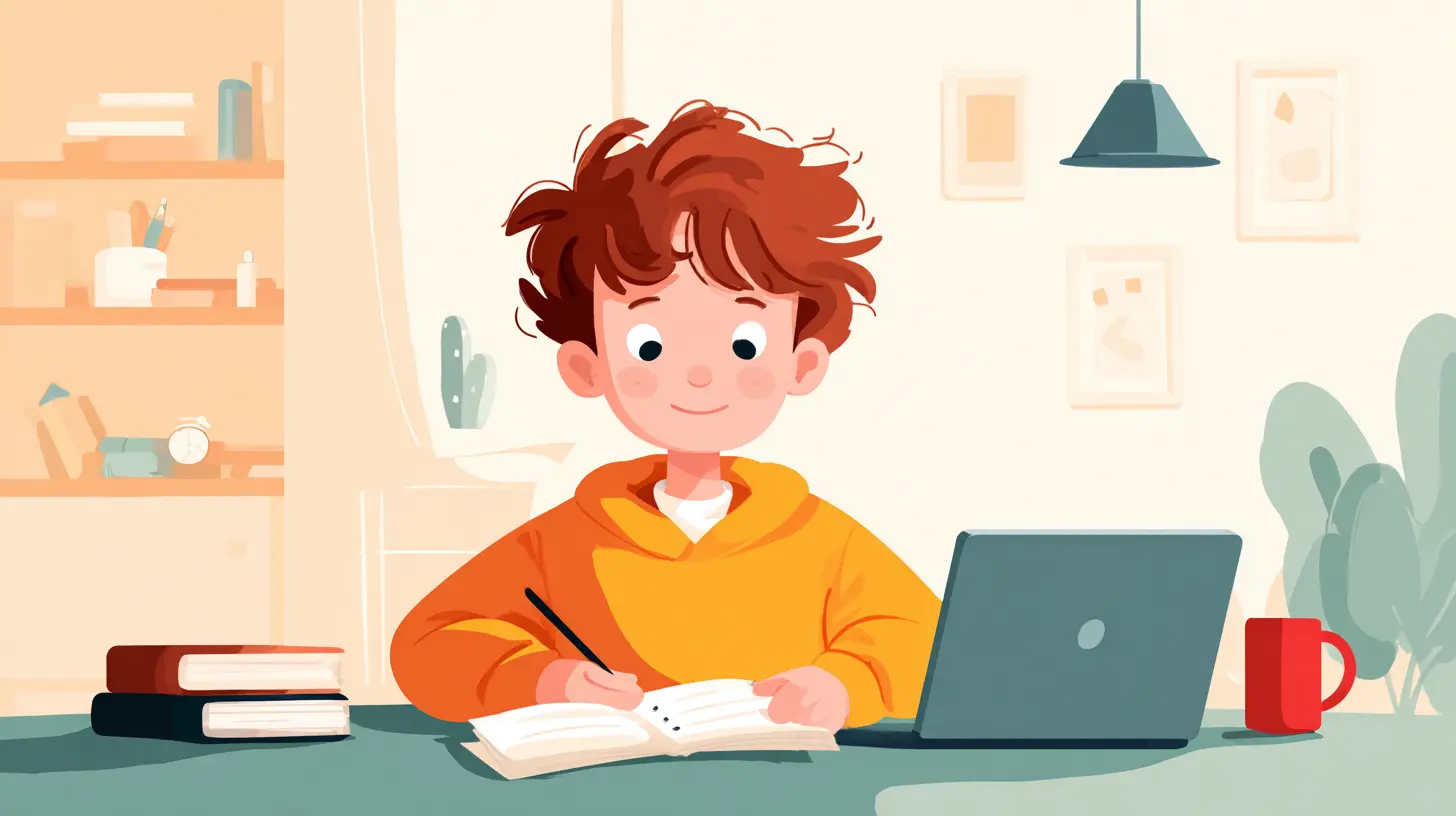
From Static Worksheets to Dynamic Learning Journeys
First, let’s bury the old model. The worksheet that treats every child in the class as if they have the exact same brain is, thankfully, becoming a relic. You know the one—30 identical long division problems for everyone, regardless of whether your child mastered the concept in five problems or is still mystified by what a divisor even is.The AI tutor of 2026 throws that model out the window. Think of it less like a drill sergeant and more like a personal learning GPS. It doesn’t just assign a route; it checks the traffic, weather, and your fuel level in real-time. Your child starts a module on fractions. The AI presents a problem. Got it right? Great, it instantly serves up a slightly more complex challenge, maybe applying that fraction knowledge to a real-world scenario like baking or music. Got it wrong? No red "X" of shame. Instead, the AI diagnoses the specific misconception—was it finding a common denominator, or the actual subtraction step?—and serves up a micro-lesson, a short video, or a different type of practice problem to bridge that exact gap.
This is the heart of the shift: homework is no longer about uniform output; it’s about personalized understanding. The "work" is tailored to the child’s unique learning path, which means less time spinning wheels on concepts they already know and more targeted support where they genuinely need it. It’s the end of one-size-fits-all education at home.
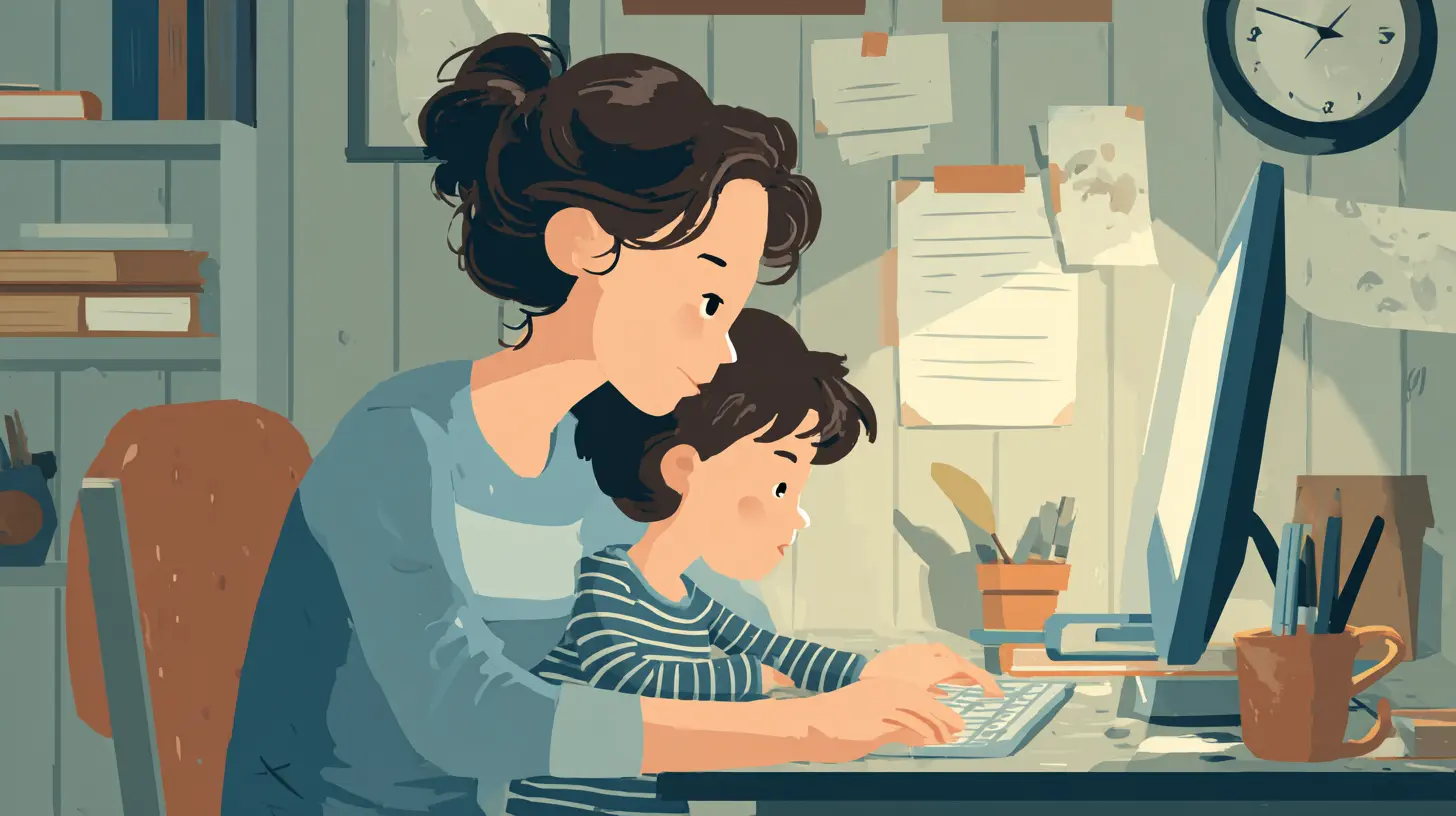
The End of the "I Don't Get It" Standoff
Raise your hand if you’ve ever been faced with a tearful (or defiant) “I don’t get it!” about a homework concept you haven’t thought about in 25 years. Your hand is up, right? The dynamic of parent-as-emergency-substitute-teacher is a major source of household stress.Enter the 2026 AI tutor: the infinitely patient expert on call. This is where it gets really cool. These AI systems are now sophisticated enough to engage in multi-turn, conversational dialogue. Your child can literally ask, “But why does the variable move to the other side?” in their own words. The AI doesn’t just repeat the rule; it can explain the underlying principle of balance in an equation, offer a visual analogy using a seesaw, and then ask a probing question to check for understanding: “So if we take away this weight from the left, what has to happen on the right to keep it level?”
It’s like having a master tutor sitting beside them who never gets tired, never gets frustrated, and has a billion different ways to explain the same concept until the lightbulb flickers on. For parents, this is liberating. You transition from stressed-out instructor to supportive coach. You can focus on encouragement, time management, and celebrating breakthroughs, rather than frantically Googling “fourth-grade new math.”
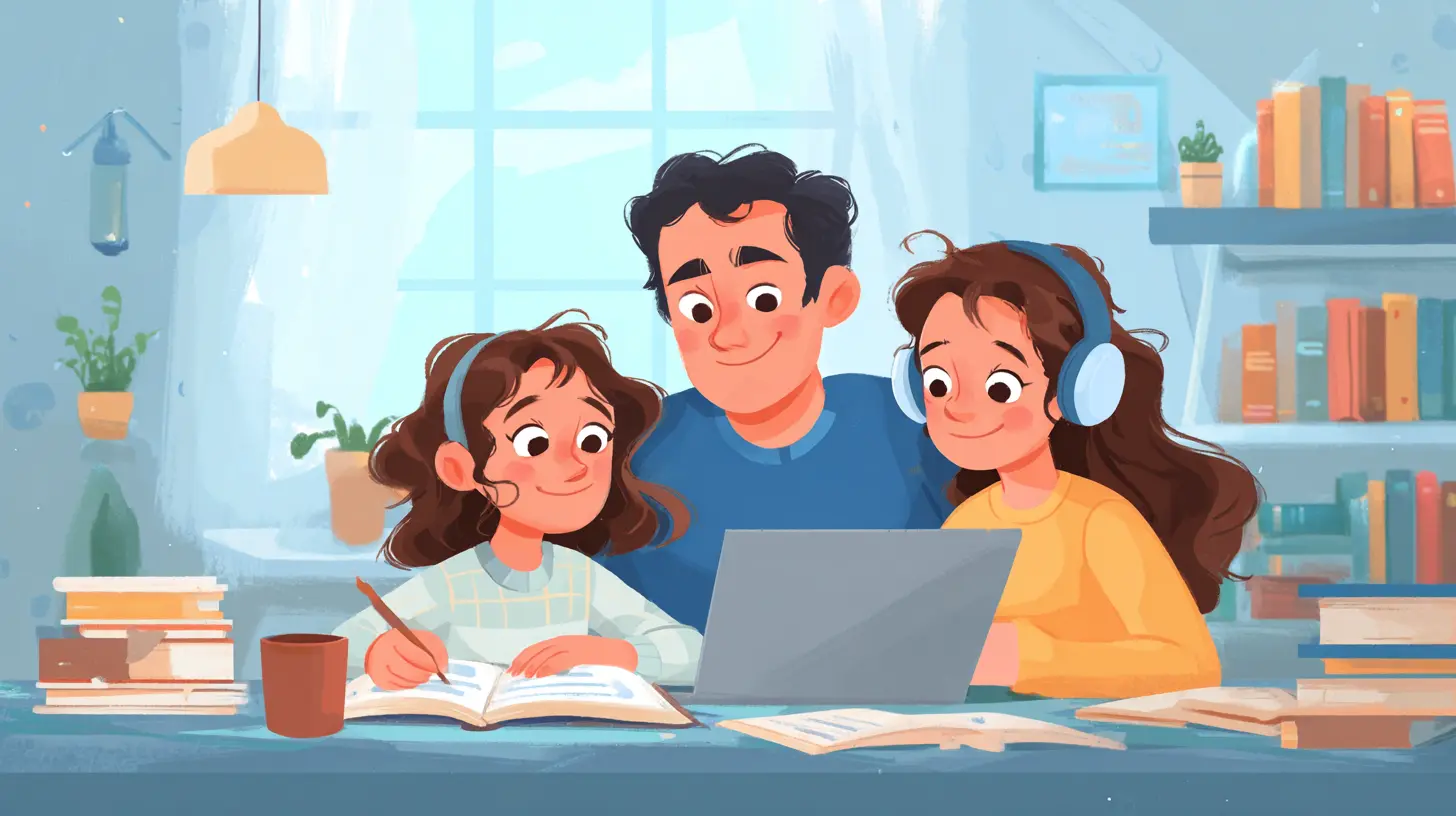
Homework as a Diagnostic Powerhouse (Hello, Insightful Parent-Teacher Conferences!)
Here’s a perspective shift that’s a game-changer for parents and teachers alike. In 2026, homework isn’t just an assignment to be completed; it’s a continuous, rich stream of diagnostic data. Every interaction with the AI tutor generates insights.Imagine getting a weekly digest, not just with a grade, but with a clear map of your child’s learning landscape. The report might say: "Maya aced algebraic expressions but shows consistent hesitation with word problems that involve two-step logic. She reviewed the 'translating words to math' mini-lesson three times this week. Recommendation: Encourage her to underline key numbers and actions before writing the equation."
This moves us from “She got a B- on the chapter test” to “She has a specific, addressable challenge with contextual application.” Suddenly, parent-teacher conferences become strategic meetings focused on a deep, shared understanding of the child’s learning process, not just a review of scores. You’re talking about how they learn, not just what they scored.

Fostering Metacognition: The "Learning How to Learn" Superpower
Perhaps the most profound reshape happening is under the hood of your child’s own mind. The best AI tutors in 2026 are designed to build metacognition—the ability to think about one’s own thinking. They don’t just give answers; they scaffold the process of self-questioning.After a session, the AI might prompt: "You solved those geometry problems faster today than last week. What strategy did you use differently?" Or if a child is stuck, it might say, "Let's pause. Can you explain to me what the problem is asking in your own words? Where exactly are you getting stuck?"
This is like teaching them to be their own inner coach. They’re not just memorizing facts for a test; they’re building the lifelong skill of identifying their own knowledge gaps, strategizing how to fill them, and reflecting on what works. In a world where information is ubiquitous, this ability to self-direct learning is the ultimate superpower we can give them.
The Human Touch in an AI World: A New Balance
Now, I can hear the valid concern: “Does this mean robots are replacing human connection in learning?” Absolutely not. The reshaping of 2026 is all about better balance, not replacement.Think of the AI tutor as the ultimate practice partner. It handles the repetitive drills, the immediate feedback loops, and the foundational knowledge checks. This frees up precious human time—both the teacher’s in class and yours at home—for the stuff that requires empathy, creativity, and human spark. Instead of slogging through 50 math problems, your child might come to you and say, “My AI tutor and I nailed quadratic equations! Now, for my project, I want to model the arc of a basketball shot. Can we go to the driveway and test it?”
The homework becomes a springboard for collaborative, creative, and applied learning. The AI manages the "what" and the "how" of practice, so humans can focus on the "why" and the "what if."
Looking Ahead: A More Joyful, Effective Homework Experience
So, what does the homework landscape of 2026 really look like? It’s less fraught. It’s more efficient. It’s deeply personalized. The frustration of being stuck is met with a helpful guide, not a dead end. The boredom of repetitive mastery is replaced by appropriate challenge.Our role as parents evolves from homework enforcers to learning environment curators. We’re there to ensure they have a good workspace, to help them interpret their learning insights, to celebrate their "aha!" moments, and to connect their digital practice to the wonderfully analog world around them.
The AI tutor isn’t a magic wand that makes learning effortless. Learning still requires grit and effort. But it is a powerful tool that’s reshaping homework from a nightly chore into a truly personalized learning journey. It’s making the path clearer, the support more constant, and the whole process a lot more about growth and a lot less about grind. And that’s a future any parent can get behind.
all images in this post were generated using AI tools
Category:
Parenting And TechnologyAuthor:

Zelda Gill
Discussion
rate this article
2 comments
Claire McConkey
It's inspiring to see how AI tutors can support kids in their learning journey. Embracing these tools can ease the homework struggle and help nurture a love for education.
June 9, 2026 at 3:15 AM
Zelda Gill
I appreciate your thoughts! AI tutors are indeed transforming education and making learning a more enjoyable experience for kids.
Reina Graham
This article highlights the transformative role of AI tutors in 2026, making homework more engaging and personalized. It's exciting to see technology enhancing learning experiences for our children!
April 25, 2026 at 3:20 AM
Zelda Gill
I appreciate your enthusiasm! It's amazing to see how AI tutors are making learning more interactive and tailored for each student. The future of education looks bright.