Helping Kids Navigate Online Influencers and Digital Fame
17 November 2026
In today's digital landscape, online influencers wield significant power, shaping trends, opinions, and behaviors among younger audiences. As parents, it is crucial to help children navigate this complex world of digital fame. This article provides insights, practical advice, and considerations for guiding kids to understand and engage with online influencers in a healthy and informed manner.
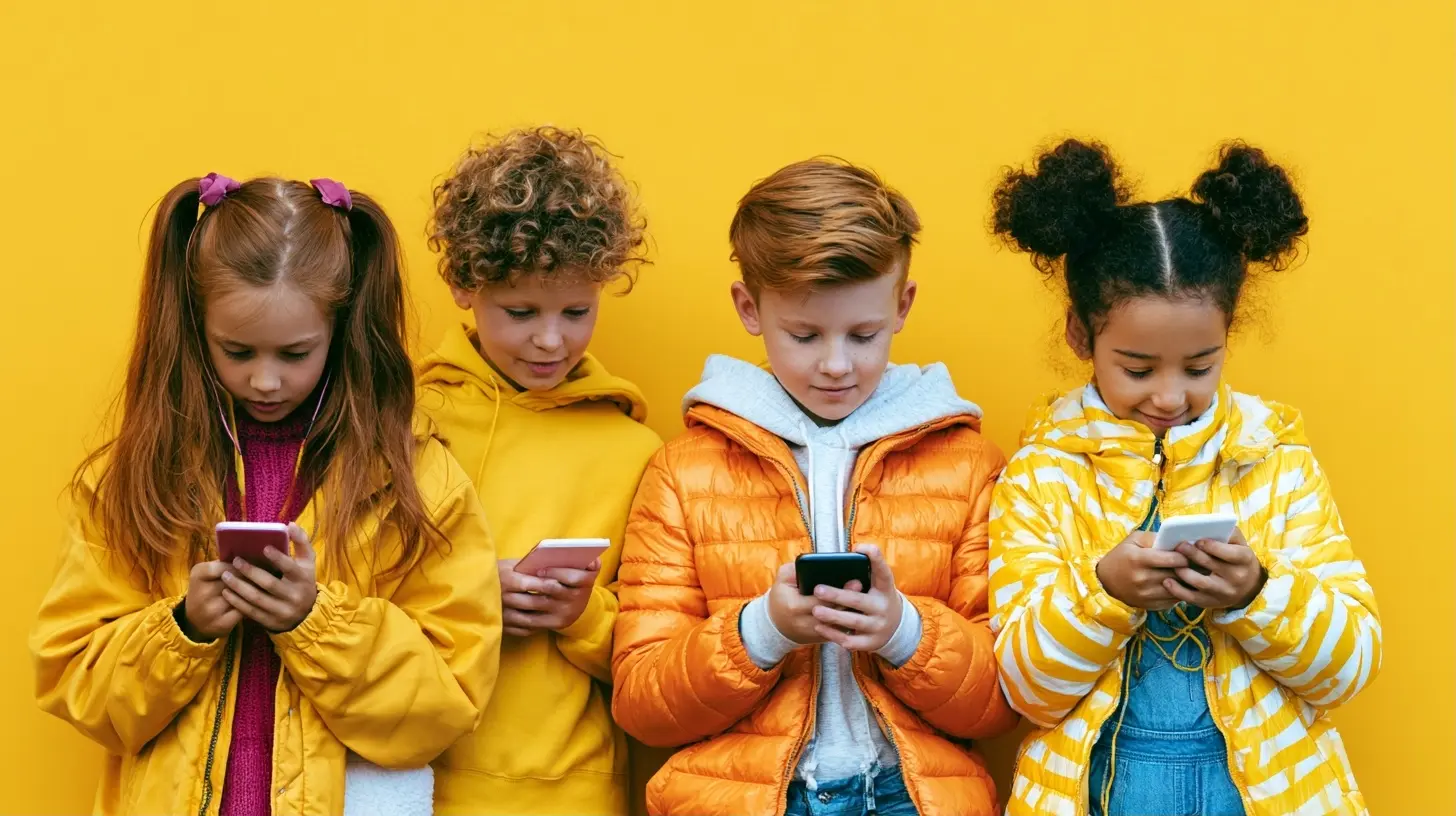
Understanding the Influence of Online Personalities
The Role of Online Influencers
Online influencers can take many forms, from YouTube personalities and Instagram stars to TikTok creators. They often cultivate a curated image that resonates with their audience, which can lead to substantial followings. This influence can be positive, promoting creativity and self-expression, or negative, leading to unrealistic expectations and pressures.The Appeal of Digital Fame
Children and teens are particularly susceptible to the allure of digital fame. The idea of being "liked" or "followed" can create a desire for validation through social media platforms. Young people often see influencers enjoying lifestyles that seem glamorous and aspirational, which can distort their understanding of success and happiness.
Setting Healthy Boundaries
Open Communication
Establishing a channel for open discussion about online influencers is vital. Parents should encourage kids to share their thoughts and feelings about the influencers they follow. Ask questions like, "What do you like about this influencer?" or "How do you feel when you see their posts?" This encourages critical thinking and helps kids articulate their emotions.Monitoring Content Consumption
While it is important to respect your child's privacy, monitoring their online activity can help ensure they engage with appropriate content. Use parental controls where necessary, but keep the conversation ongoing. Discuss why certain content may not be suitable and the reasons behind your decisions.Encouraging Diverse Influences
Help your child diversify the types of influencers they follow. Introduce them to creators outside of their usual preferences, including those who focus on education, science, arts, and social issues. This broadens their perspective and helps them understand that not all influencers fit the same mold.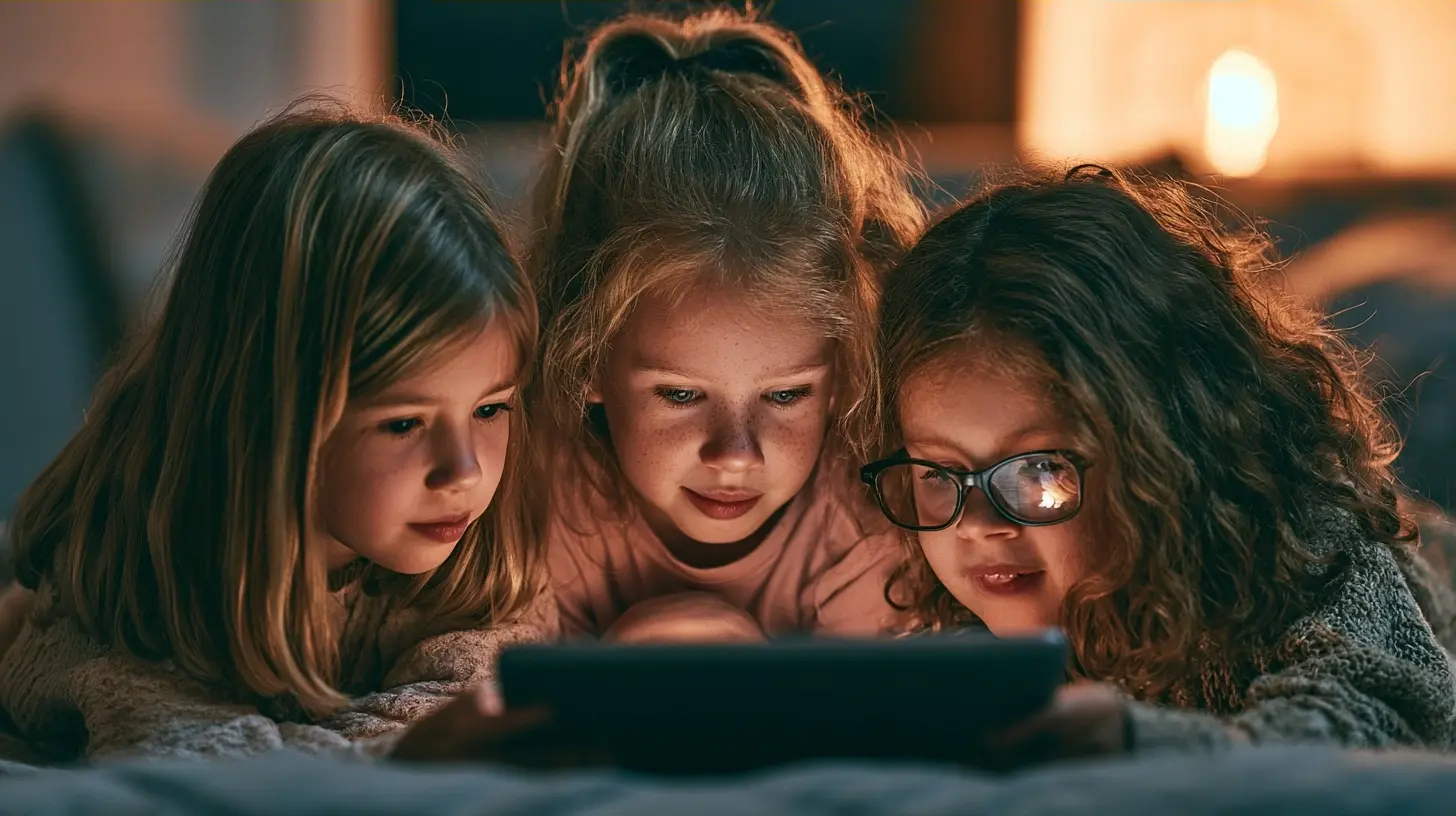
Building Critical Thinking Skills
Analyzing Content
Teach children to analyze the content they consume. Discuss the difference between curated and authentic representations of life. For example, show them how influencers often edit their photos, leading to unrealistic beauty standards. Encourage them to ask questions about the intent behind posts: "What message is the influencer trying to convey?" or "Is this product really worth the hype?"Understanding Sponsorship and Advertising
Many influencers are paid to promote products. Understanding this dynamic is crucial. Discuss how sponsorship affects the content they see. Explain that influencers may not always disclose when they are being paid, which can lead to biased opinions. Encourage your child to seek reviews and information from multiple sources before making decisions based on influencer recommendations.
Navigating Peer Pressure and Comparisons
Recognizing Comparison Traps
Children may feel pressured to emulate the lifestyles of influencers. Help them recognize the dangers of comparison. Discuss how social media often presents a highlight reel rather than a full story. Encourage them to seek joy in their unique experiences rather than trying to replicate someone else's life.Building Self-Esteem
Promoting self-esteem is essential in combating the negative effects of influencer culture. Encourage your child to engage in activities that showcase their strengths and interests. Praise their efforts, not just outcomes, fostering a sense of self-worth that is independent of external validation.Encouraging Responsible Engagement
Setting Social Media Guidelines
Establish clear guidelines for social media use. Discuss appropriate times for usage, acceptable platforms, and the importance of privacy settings. Explain the risks of oversharing and how to keep personal information safe. Encourage your child to think critically about the implications of their online behavior.Promoting Positive Contributions
Encourage your child to engage positively with their online community. Teach them about the importance of kindness and support, both in their interactions with influencers and their peers. Discuss the impact of comments and shares, fostering a culture of respect and positivity.
Addressing Common Misconceptions
The Myth of Instant Fame
Many children believe that becoming an influencer is an easy path to fame and fortune. Help them understand that most influencers invest significant time and effort into their craft. Share stories of creators who faced struggles before finding success, emphasizing the importance of persistence and hard work.Balancing Online and Offline Life
There is often a misconception that online fame equates to real-life success. Stress the significance of balancing online presence with real-world interactions. Encourage your child to engage in face-to-face relationships and activities that promote social skills and emotional intelligence.Real-World Examples and Best Practices
Case Study: The Rise of a Young Influencer
Consider the story of a young influencer who gained fame for their DIY craft videos. Initially, they enjoyed creating content purely for fun, but as their following grew, they felt pressure to conform to audience expectations. This led to burnout and a decline in the quality of their work. When they returned to their roots and focused on authentic content, their audience responded positively, demonstrating the value of staying true to oneself.Practical Strategies for Parents
1. Regular Check-Ins: Schedule discussions about influencers and social media regularly. This reinforces the importance of the topic and keeps the lines of communication open.2. Use Real-Life Examples: Share stories of both positive and negative influencer experiences. This gives context and helps children relate to the material in meaningful ways.
3. Encourage Offline Activities: Foster hobbies and interests outside of social media. This can help develop skills and friendships that are independent of online validation.
Conclusion: Finding a Healthy Balance
Navigating the world of online influencers and digital fame is a complex journey for children. By fostering open communication, critical thinking, and positive engagement, parents can guide their kids toward a healthier relationship with social media. It is essential to help them understand that while influencers can be sources of inspiration, they should not dictate one's self-worth or life choices.In a rapidly changing digital environment, equipping children with the tools to navigate these waters responsibly is one of the most valuable things a parent can do.
all images in this post were generated using AI tools
Category:
Parenting And TechnologyAuthor:

Zelda Gill