Fostering Gratitude and Positivity with Emotional Intelligence
9 May 2026
Let’s face it—parenting is a wild ride. One minute the kids are laughing and playing, and the next, they’re melting down over the color of their cereal bowl. But what if we could raise emotionally balanced, grateful kiddos who see the silver lining, even when things don’t go their way? That’s where fostering gratitude and positivity with emotional intelligence swoops in like a parenting superhero.
In this post, we’re going to chat about how emotional intelligence (EQ) plays a massive role in shaping positive, grateful attitudes in children—and in ourselves. Don’t worry, you don’t need a psychology degree to get this right. Just a little patience, a pinch of empathy, and a whole lot of love.
What Is Emotional Intelligence, Really?
Before we go any further, let’s break it down. Emotional intelligence is the ability to recognize, understand, and manage emotions—both our own and other people’s. Sounds fancy, but think of it as the toolkit for handling all the feels.It’s what helps your child navigate disappointment when they lose a game, or say "thank you" even when their gift isn’t what they hoped for. It's self-awareness, empathy, emotional regulation, and social skills all rolled into one.
And yes, your six-year-old can totally start developing these superpowers.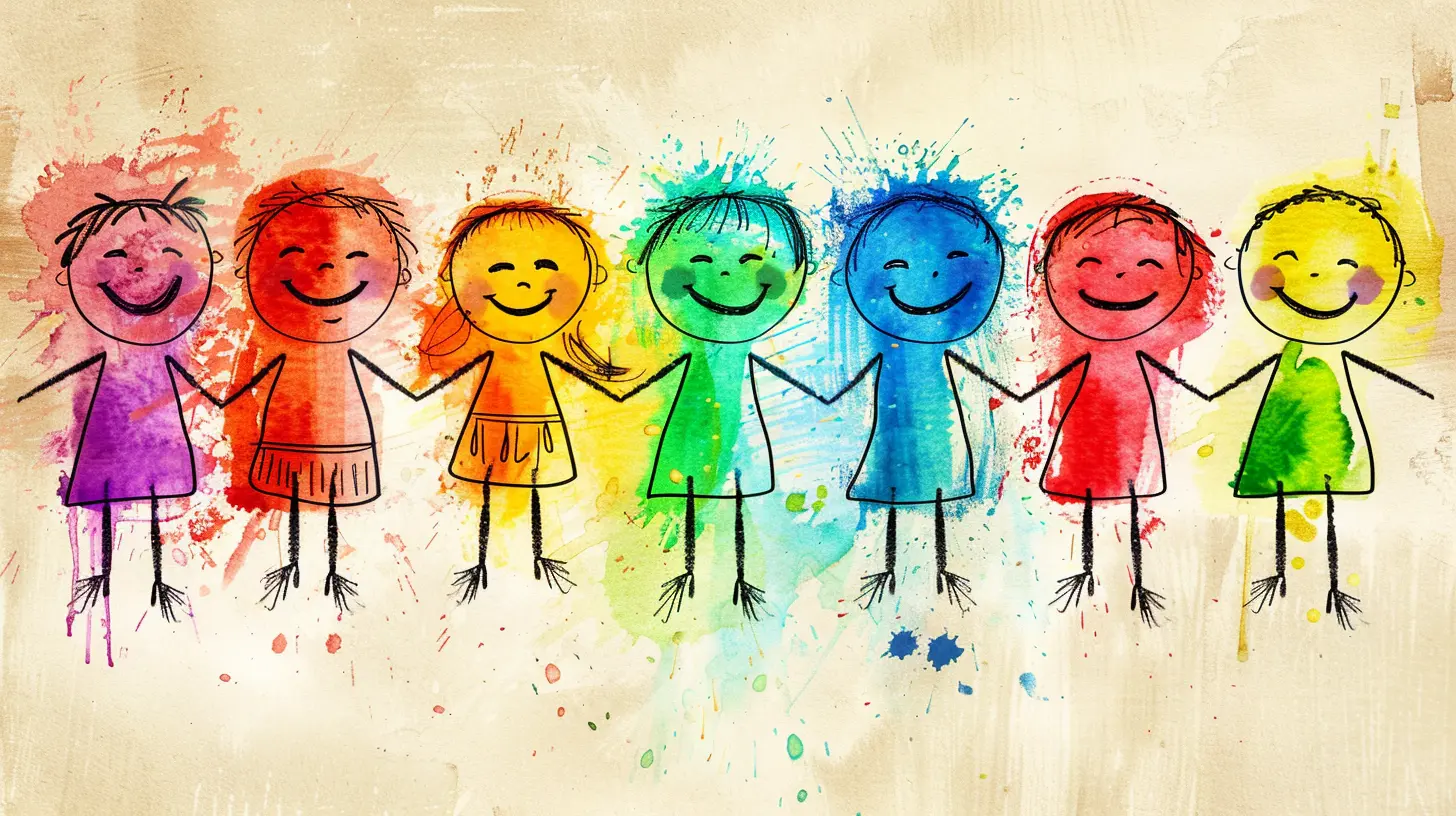
Why Emotional Intelligence Matters in Parenting
You know those moments when your kid is on the verge of a full-blown tantrum? That’s your emotional intelligence playground. If we want to raise grateful, positive kids, we’ve got to teach them how to process and express their emotions in healthy ways.Here’s why it matters:
- Better Relationships: Kids with high EQ are better at building friendships, resolving conflicts, and understanding others.
- Improved Mental Health: They’re more likely to bounce back from stress, anxiety, and disappointment.
- Greater Gratitude: When kids understand emotions, they’re more mindful and appreciative of experiences and people around them.
- Positive Outlook: EQ helps them focus on what’s going right instead of what’s going wrong—hello, positivity!
Gratitude Isn’t Just Saying “Thank You”
A lot of us were raised on the robotic rule of politeness. “Say thank you” was drilled into us, and sure, manners matter. But true gratitude? It runs deeper.Gratitude is about recognizing and appreciating the good, even the tiny things. It’s about slowing down to say, “Wow, that was kind,” or “I’m glad I have this.” It’s a mindset, not a magic phrase.
How to Teach Emotional Intelligence at Home
Okay, let’s get into the nitty-gritty. Teaching EQ doesn’t require flashcards or a fancy curriculum. It starts with everyday interactions. Here’s how to weave it into your daily parenting routine.1. Label Emotions Out Loud
Kids aren’t born knowing words like “frustrated” or “disappointed.” You’ve got to hand them the emotional vocabulary bit by bit.Example:
- “I can see you’re feeling angry because your block tower fell.”
- “You seem really happy—you’re smiling and jumping around!”
Once they know what they’re feeling, they can start to manage it.
2. Model Emotional Intelligence
Let’s be honest—our kids are watching us like little emotional detectives. If we’re slamming cabinet doors or sulking when things don’t go our way, they’ll pick up those habits too.Instead:
- Narrate your own emotional moments. “I’m feeling a bit stressed, so I’m going to take a deep breath.”
- Show gratitude often. “I’m so thankful for this warm dinner and family time.”
3. Validate Their Feelings
No one likes being brushed off. When your child is upset, instead of saying, “You’re fine,” try:- “I see this is really hard for you.”
- “It’s okay to feel sad when plans change.”
Validating emotions doesn’t mean you're giving in. It means you're helping them feel seen and understood.
Creating a Culture of Gratitude at Home
If emotional intelligence is the soil, then gratitude is the flower that grows out of it. So, how do we nurture this?1. Practice Daily Gratitude Rituals
These can be super simple:- Gratitude jar: Drop a note in every evening about one thing you're thankful for.
- Dinner table gratitude round: Each person shares one happy moment from their day.
Make it a habit, like brushing teeth. The more kids notice the good, the more they’ll naturally seek it out.
2. Use Storytelling and Books
Books are magical when it comes to building empathy and emotional awareness. Stories let kids walk in another person’s shoes. Look for books that talk about kindness, mindfulness, and gratitude.Need a starter? Try:
- Last Stop on Market Street by Matt de la Peña
- Gratitude is My Superpower by Alicia Ortego
Read together, then chat about how the characters felt and what they learned.
3. Encourage Giving
Whether it’s sharing toys, helping a neighbor, or donating old clothes, giving fosters gratitude. It teaches kids about other perspectives and the joy of helping.Afterward, talk about how it felt:
- “How did you feel when you gave your toy to your friend?”
- “What do you think that person felt when we dropped off the donation?”
Boosting Positivity through Emotional Smarts
Gratitude and positivity are like best friends—they lift each other up. But let’s be real: life’s not all rainbows. So how do we help our kids keep a positive mindset without denying real feelings?1. Reframe the Narrative
Teach your child that every challenge holds a teeny lesson. If your kid says, “I’m terrible at math!” help them shift it to, “Math is hard, but I’m learning.”Example:
- Instead of “Everything went wrong today,” try, “Today had tough parts, but I did my best.”
It's like putting on positivity-colored glasses—not to ignore the bad, but to see the good too.
2. Catch Positive Moments Intentionally
Point out when things go right! “You handled that wait so patiently!” or “That was kind of you to help your sister.”When you name the behavior, they’re more likely to repeat it—and feel good about it.
3. Teach Self-Compassion
Positivity isn’t about being chipper all the time. It’s about being kind to yourself when stuff goes south.Help your child say:
- “It’s okay to make mistakes.”
- “I’m trying, and that matters.”
This builds resilience—the backbone of true positivity.
Real-Life Example: The Ice Cream Meltdown
Let’s imagine a scenario. Your child’s had a long day. You promised ice cream, but by the time you get there, the shop is closed.Cue: Screaming, tears, the works.
Here’s your emotional intelligence playbook:
1. Validate: “You're upset because we couldn’t get ice cream. That’s really disappointing.”
2. Name the feeling: “Sounds like you’re frustrated and sad.”
3. Cope together: “Let’s take a few deep breaths together. Then we’ll make a plan for another treat tomorrow.”
4. Reframe: “Even though today didn’t end how we hoped, we had fun at the park, right?”
You just turned a meltdown into a moment of connection and growth. Gold star, parent!
Long-Term Payoff: Raising Emotionally Intelligent, Grateful Humans
When we consistently nurture emotional intelligence, gratitude, and positivity, we’re not just helping our kids “behave”—we’re raising future adults who are kind, thoughtful, and emotionally balanced.They’ll be the ones who:
- Handle criticism with grace
- Appreciate what they have
- Connect deeply with others
- Stay hopeful in tough times
Honestly, isn’t that what we all want?
What About Us Parents?
Let’s not forget—we need this emotional muscle, too. Parenting can wear us down. Practicing our own gratitude and emotional awareness helps us show up with more patience, joy, and calm.Try this tonight:
- Think of 3 small things you’re grateful for before bed.
- Forgive yourself for what didn’t go perfectly today.
- Remind yourself, you’re doing your best—and that’s enough.
Final Thoughts
Fostering gratitude and positivity through emotional intelligence isn’t about being perfect parents with perfect kids. It’s about connection. It’s about growing together, one emotion-rich moment at a time.So next time your child thanks you without prompting, or takes a deep breath instead of yelling—celebrate that win. It means the seeds you’ve planted are starting to bloom.
And remember, every hug, every validating word, every bedtime story—it all adds up. You’ve got this.
all images in this post were generated using AI tools
Category:
Emotional IntelligenceAuthor:

Zelda Gill
Discussion
rate this article
2 comments
Lillian Gomez
Gratitude shapes resilient, joyful kids.
August 13, 2026 at 3:41 AM
Zelda Gill
Absolutely! Gratitude can really empower kids to face challenges with a positive outlook. It's a vital part of building their emotional strength.
Evelyn Roberts
This article truly resonates. Fostering gratitude in our children creates a positive outlook that lasts a lifetime. It's wonderful to see emotional intelligence being emphasized in parenting. Thank you for sharing these valuable insights!
May 24, 2026 at 4:20 PM
Zelda Gill
Thank you for your thoughtful comment! I'm glad you found the article meaningful. Fostering gratitude really does make a difference in our children's lives.