Exploring the Night Sky: Stargazing as a Family
19 May 2026
There’s something magical about looking up at the night sky—it’s like opening a storybook written in stars. Whether you're spotting the Big Dipper or watching a meteor streak across the sky, stargazing brings out the sense of wonder in all of us. And when you share that with your kids? It becomes a memory they'll never forget.
If you’ve been thinking about spending more quality time outdoors with your family, stargazing is one of the easiest (and cheapest!) ways to bond, learn, and just take a break from the digital world. Let’s walk through how you can turn a regular night into something extraordinary—with nothing more than a blanket, snacks, and a curious mind.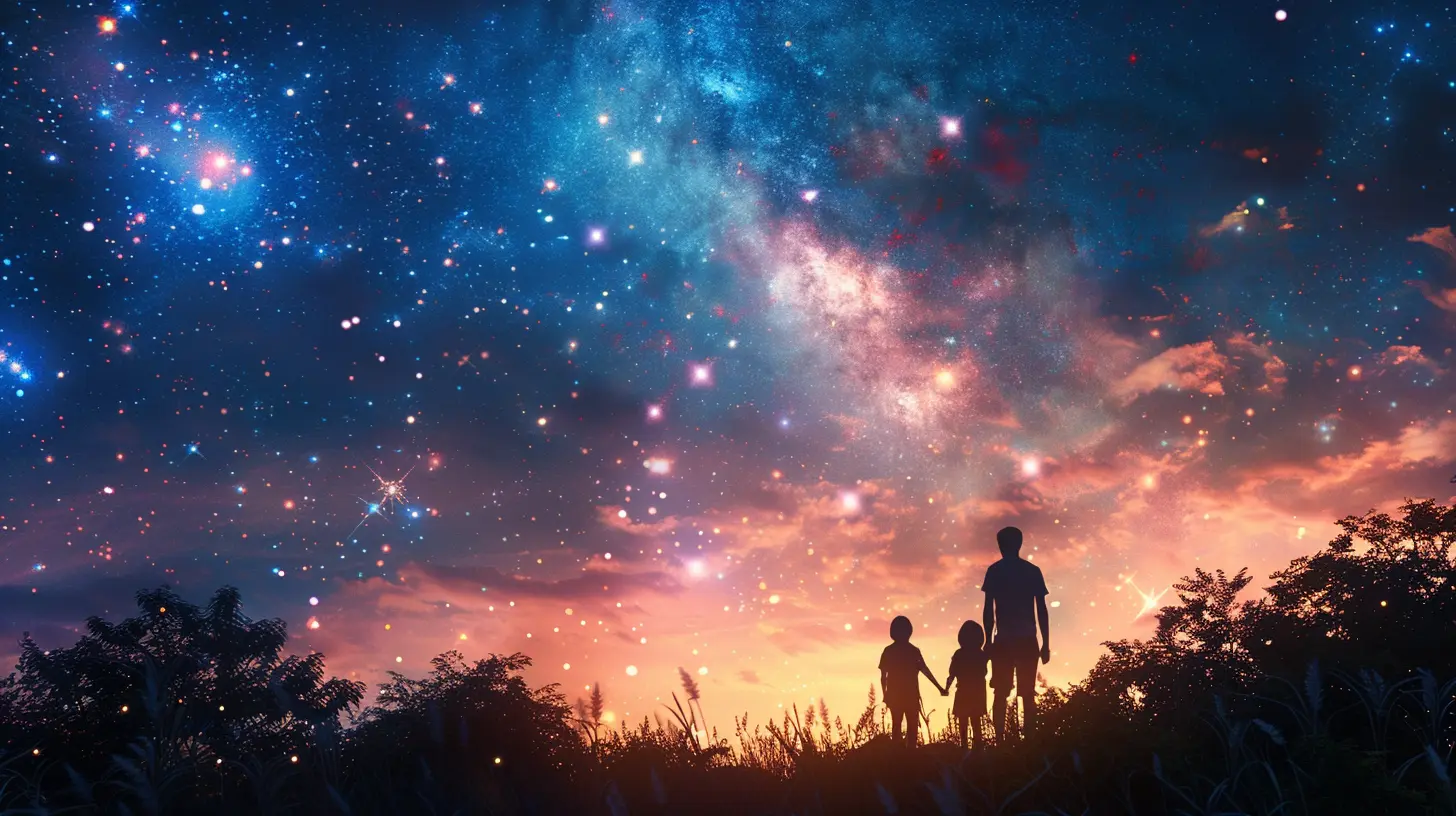
Why Stargazing Is More Than Just Looking Up
Before we dive into how to do it, let’s talk about why it’s worth doing in the first place.Stargazing isn’t just about stars. It’s about connection. When families go out and look at the sky together, it naturally leads to storytelling, curiosity, and wonder. It invites kids to ask questions like “Where do stars go during the day?” or “Can we really see Mars from here?” and those are golden opportunities for learning and bonding.
Plus, let’s be honest—when you’re laying under the stars, there’s no Wi-Fi, no emails, no digital notifications. It’s just you, your family, and the infinite sky overhead.
Getting Started: What You Actually Need
No, you don’t need a fancy telescope that costs more than your monthly groceries. Beginners can totally start simple.Essentials Checklist:
- A Clear Night: Check the local weather. No one wants to stare at clouds.- Minimal Light Pollution: Try to get away from streetlights and city glare. Even your backyard can work if it's dark enough.
- Blankets or Lawn Chairs: Comfort is key. Laying on the ground isn’t fun after 10 minutes.
- Bug Spray & Snacks: Especially during warmer months. Hungry kids = cranky kids.
- Star Map or App: Old-school maps are cool, but there are awesome free apps that help you identify planets, stars, and constellations in real-time.
Optional: Binoculars or a Basic Telescope. They’re not mandatory, but they do enhance the experience.
When’s the Best Time to Stargaze?
Short answer? Anytime the sky's dark and clear. But there’s more to it.Ideal Conditions:
- New Moon Nights: Less moonlight means more visible stars. Check a lunar calendar.- Crisp, Clear Skies: Fall and winter often have the clearest skies, but summer nights are more comfortable weather-wise.
- After 9 PM: Most stars become visible after twilight, which is usually around 1.5 hours after sunset.
Pro Tip: Plan your stargazing around upcoming celestial events—like meteor showers, lunar eclipses, or planetary alignments.
Making Stargazing Fun for Kids
Let’s face it: kids don’t usually care about scientific data. They want stories, magic, and maybe a cool name to remember. Here’s how to keep them engaged:Turn It Into an Adventure
Pack some hot cocoa, make a checklist of constellations to find, and call it a “Sky Safari.” The more fun it feels, the more they’ll want to repeat it.Tell Stories Through Constellations
The night sky is full of ancient myths. Tell your kids the tale of Orion the hunter, or how Cassiopeia was a vain queen. You’ll be surprised how interested they get in Greek mythology when it’s “written” in stars.Play Sky Bingo
Make a bingo card with items like “Shooting star,” “Airplane,” “Big Dipper,” “Brightest Star,” “Red Star,” etc. First one to get five in a row wins a small prize—or bragging rights.Use Tech Sparingly
While apps like Star Walk or SkyView are awesome tools, try not to let screens steal the whole show. Use them as a guide, not the main event.Teaching Big Ideas in Little Moments
Kids are naturally curious, and the sky gives you so many ways to teach science in a simple, hands-on way.- Light-Years: Explain that the star they’re seeing might have burned out thousands of years ago but the light is just reaching them now. It literally blows their minds.
- Gravity: Use the moon and planets to talk about orbits and gravity.
- Time: Show them how ancient people used stars to tell time and seasons.
You don’t need to be an astronomer to share real knowledge. Just a few fun facts here and there can spark a lifelong love for science.
Family Stargazing Setup: What A Typical Night Looks Like
Want to know what a successful stargazing night might look like? Here’s a simple storyline you can follow:7:00 PM – Prep Time
Grab snacks, blankets, water bottles, and load up an app to see what’s visible tonight. Don't forget sweatshirts or bug spray, depending on the season.8:00 PM – Drive/Walk to a Viewing Spot
If you aren’t using your backyard, scout out a local park or open field. Just make sure it’s safe, accessible, and not too lit up.8:30 PM – Set Up Camp
Lay out the blankets or set up reclining lawn chairs. Let the kids help “claim” their spots.9:00 PM – Stargazing Begins
Look for the first visible stars. Use your app or map to point out major constellations. Let the kids take turns “leading” the group with what they find.10:00 PM – Story Time
Share constellations and their myths. Maybe even make up your own stories using the stars as characters.10:30 PM – Wind Down
Start packing up. Ask everyone to share their favorite part of the night—this helps build connection and reinforces the experience.Cool Celestial Events to Watch As A Family
Make your stargazing nights even more special by planning them around these jaw-dropping events:Meteor Showers
- Perseids (August): One of the most popular—up to 100 meteors per hour!- Geminids (December): Slower but super bright.
Lunar Eclipses
These are stunning and easy to see without equipment. They usually last a couple of hours.Planet Oppositions
When giant planets like Jupiter or Saturn are closest to Earth, they’re incredibly bright. Plus, you can often see their moons with binoculars.International Space Station (ISS) Flyovers
Download the ISS Tracker app or check NASA’s website to find out when it’s passing overhead—it looks like a moving star.The Life Lessons Hidden in the Stars
Here’s the thing—stargazing gives your kids more than just knowledge. It teaches patience (waiting for a shooting star), curiosity (asking why stars twinkle), and humility (realizing how vast the universe is).And for us parents? It’s a chance to put away the pressures of daily life and remember the big picture. Under the stars, we’re just people—together, with our families, enjoying the now.
Making It a Regular Family Tradition
Once your family’s caught the stargazing bug, why not make it a monthly thing?- Start a Stargazing Journal: Let the kids draw what they saw or write down their favorite part.
- Create a Family Constellation: Use a cluster of stars and name it after your family—why not?
- Host Backyard “Moon Parties”: Invite friends or neighbors for a night under the stars with music, stories, and treats.
Traditions don’t have to be fancy. They just have to be consistent.
You Don’t Need to Be an Astronaut to Reach the Stars
In a world filled with screens and schedules, stargazing brings us back to something simple and powerful. It’s a slow-paced, awe-inspiring activity that fits all ages and budgets. And best of all? It creates a shared experience your family will talk about for years.So grab a blanket, head outside, and let the universe do the talking. The stars are waiting—they’ve been shining for millions of years. What’s a few hours to look up and enjoy them with the people you love?
all images in this post were generated using AI tools
Category:
Outdoor ActivitiesAuthor:

Zelda Gill
Discussion
rate this article
1 comments
Aris Bishop
Stargazing can enrich family bonds, sparking curiosity and wonder. However, it's essential to balance screen time with outdoor exploration to foster genuine connections with nature and each other under the stars.
May 20, 2026 at 3:34 AM
Zelda Gill
Absolutely! Stargazing is a fantastic way to connect and create lasting memories as a family. Balancing screen time with outdoor adventures truly enhances our appreciation for nature and each other.