Exploring Fossil-Hunting as a Unique Family Adventure
27 May 2026
In today’s fast-paced, tech-obsessed world, getting out into nature with the family can feel like a rare luxury. But what if I told you there's a fun, educational, and totally hands-on adventure that your whole family can enjoy? Enter fossil hunting – an activity that blends science, history, and a thrilling sense of discovery. Plus, it doesn’t hurt that it gets everyone out of the house and away from their screens!
Whether you're parents of younger kids or teens, fossil hunting offers something for everyone. On top of that, it’s a unique way to bond, challenge those inquisitive minds, and explore the natural world in ways textbooks simply can’t match.
So, buckle up, grab your hats, and let’s kick-start your journey into the world of fossil hunting!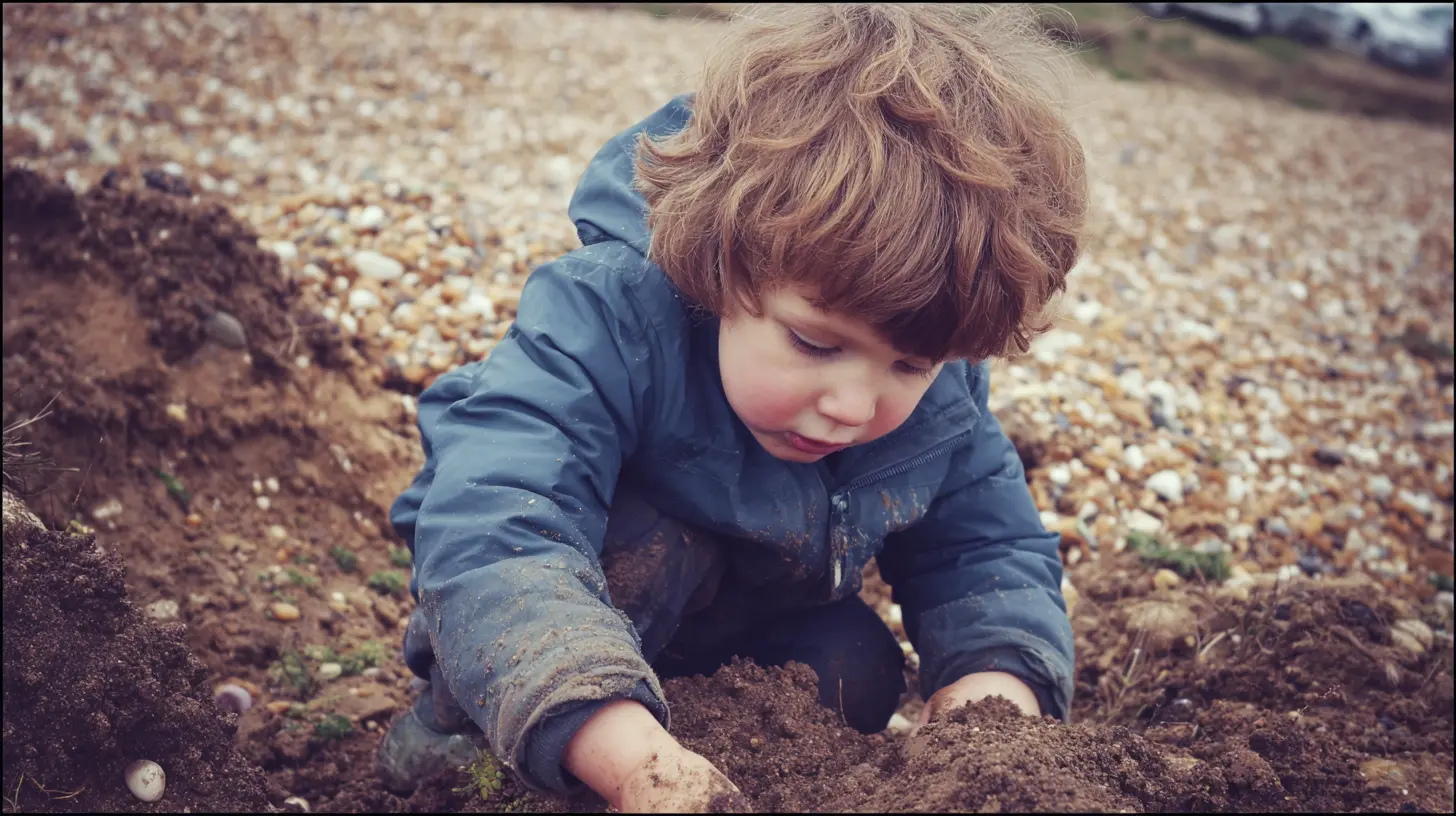
Why Choose Fossil-Hunting as a Family Adventure?
You may be wondering, "Fossil hunting? Really?" Yes, really! It's much more than just looking for old rocks – it’s about discovering relics from millions of years ago that hold secrets of the Earth's past.For parents, it's the perfect task that balances education and fun. Your kids might think they’re just looking for cool treasures, but they’ll also learn about geology, paleontology, and environmental history along the way. And let’s face it, isn’t it awesome to imagine picking up a rock and realizing it's been untouched since literal dinosaurs roamed the Earth?
If you're looking for a family adventure that's both thrilling and rich in learning opportunities, fossil hunting could be exactly what you’re seeking.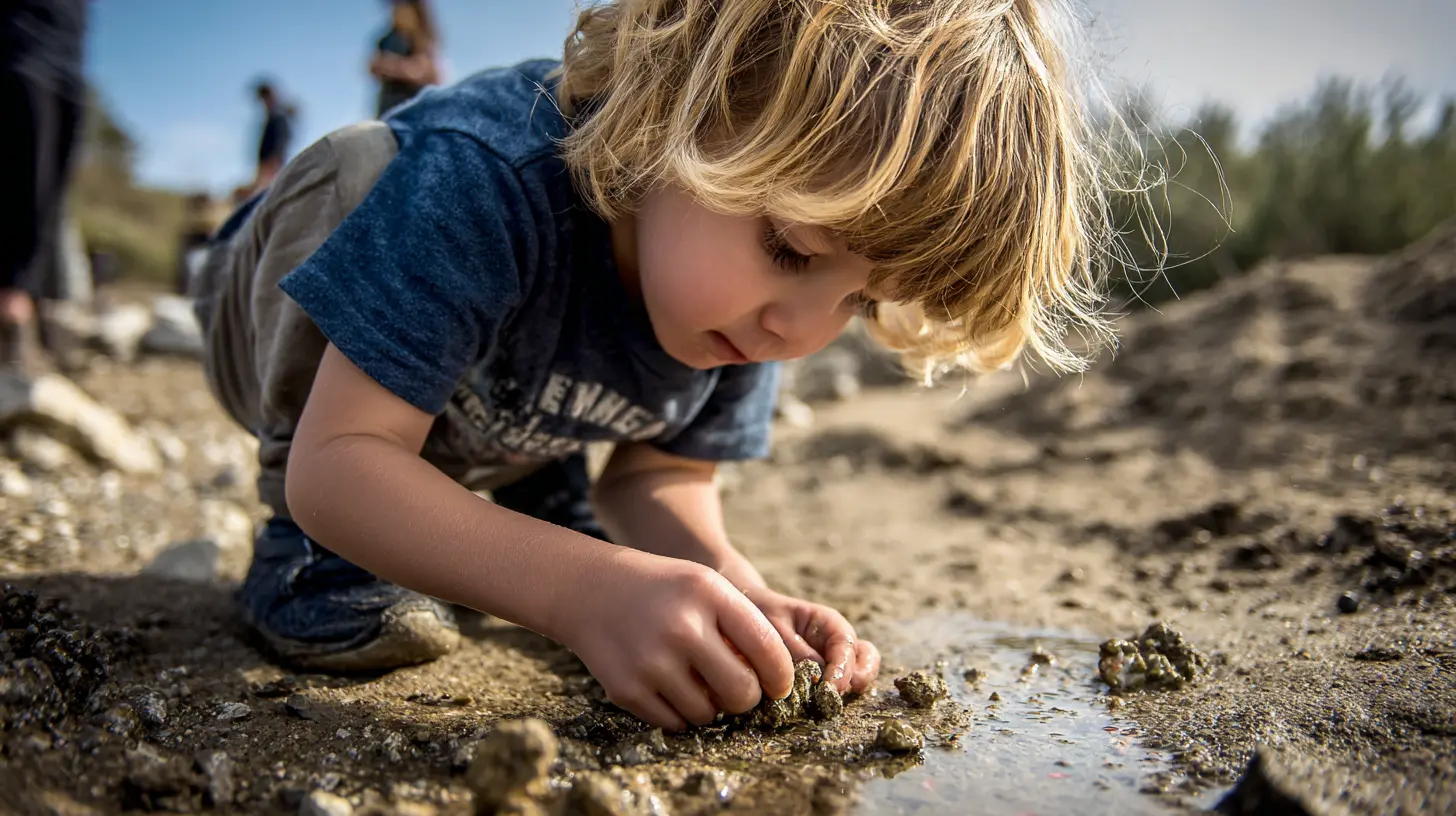
How to Start Fossil Hunting With Your Family
Getting started with fossil hunting isn’t as complicated as one might think. You don’t need to be a professional paleontologist or have fancy equipment. Just follow these steps, and before you know it, you'll be on your way to uncovering ancient wonders.1. Choose a Fossil-Rich Location
The first step is finding the right spot. Fossils aren’t everywhere, so you’ll need to do a little research beforehand. Luckily, there are plenty of fossil hunting sites around the world, many of which are open to the public.Start local. Search for designated fossil-hunting parks or beaches in your area. In the United States, some popular spots include places like Shark Tooth Beach in South Carolina or the Green River Formation in Wyoming. For the UK, the Jurassic Coast in Dorset is a goldmine for fossil enthusiasts.
Create a list of potential hunting grounds, check if they allow public access (and if there are any regulations). Once you pick a place, all that's left is packing up your gear and heading out!
2. Bring the Right Tools
Technically, you can hunt for fossils with just your eyes and hands. However, bringing along a few simple tools will make your search easier and more productive.Here’s a basic fossil-hunting toolkit:
- Hammer and Chisel: Useful for cracking open rocks to uncover hidden fossils.
- Brush: A small brush is handy for cleaning away debris without damaging the fossil.
- Magnifying Glass: Perfect for inspecting tiny fossils or fine details.
- Field Notebook: Encourage your kids to take notes and sketch their finds for a totally immersive experience.
- Sturdy Bag or Bucket: For carrying your discoveries.
Make sure to dress appropriately! Sturdy shoes, sunblock, hats, and gloves will make the day more comfortable, especially if you’re fossil hunting on rocky terrain.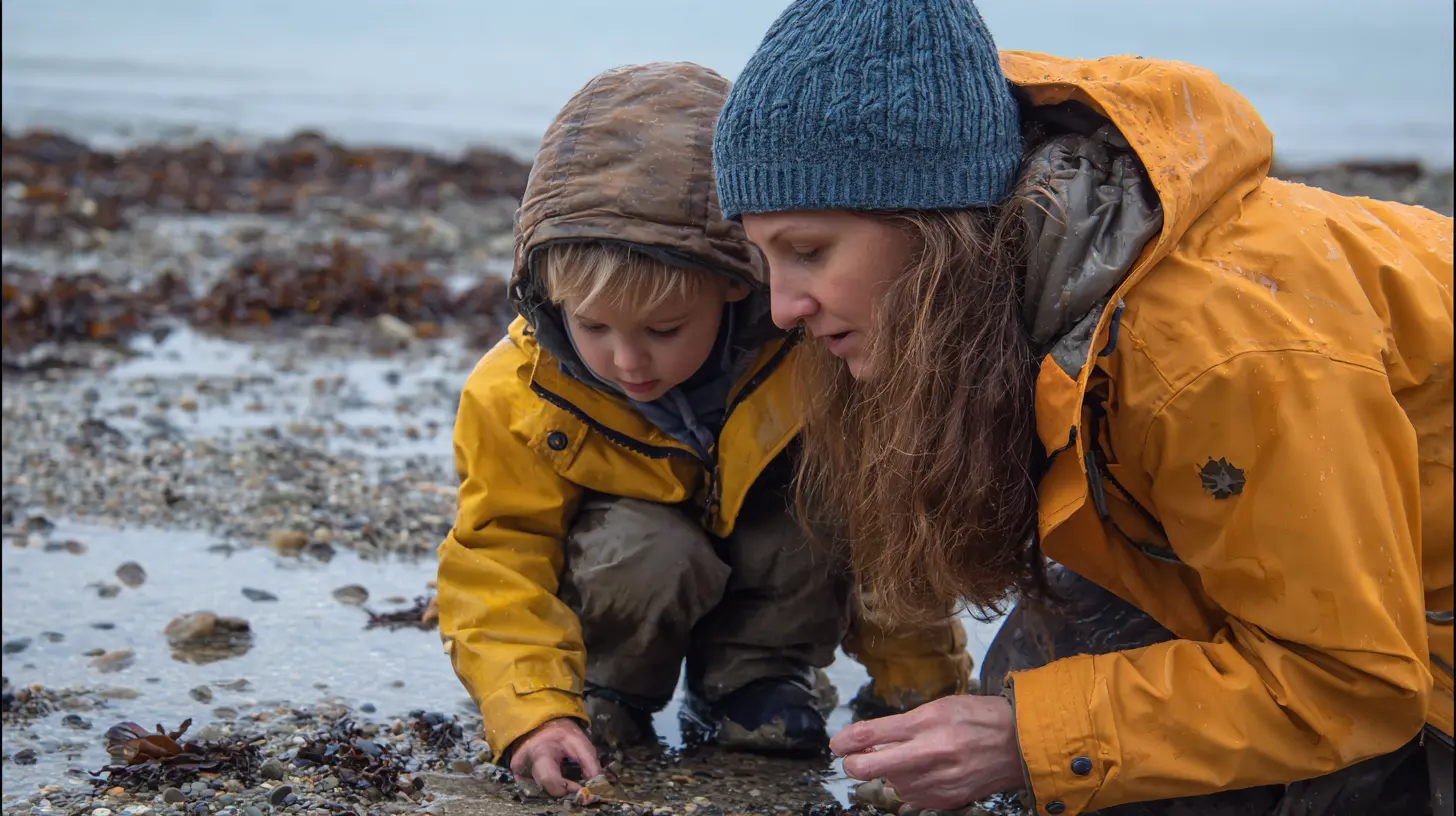
Fossil-Hunting Safety Tips for Families
Safety, of course, should always come first when out on a family adventure. Fossil hunting is a relatively safe activity, but there are a few things to keep in mind to ensure everyone's well-being.1. Watch Out for Loose Rocks
If you're searching for fossils on cliffs or rocky areas, always be cautious. Loose stones or rocky overhangs can be dangerous if not approached correctly. Make sure to follow any safety signs and never let kids climb steep or unstable areas by themselves.2. Respect the Environment
While it’s exciting to find a fossil, it's essential to take care of the environment. Avoid damaging plants or disrupting wildlife, and always leave the area just as clean as you found it. We’re guests in nature, after all!3. Know the Local Rules
Different locations have specific rules regarding fossil hunting, so make sure you know the regulations. Some sites might have restrictions on what you're allowed to take, while others may encourage you to leave fossils for future visitors. Always follow posted guidelines to avoid any trouble.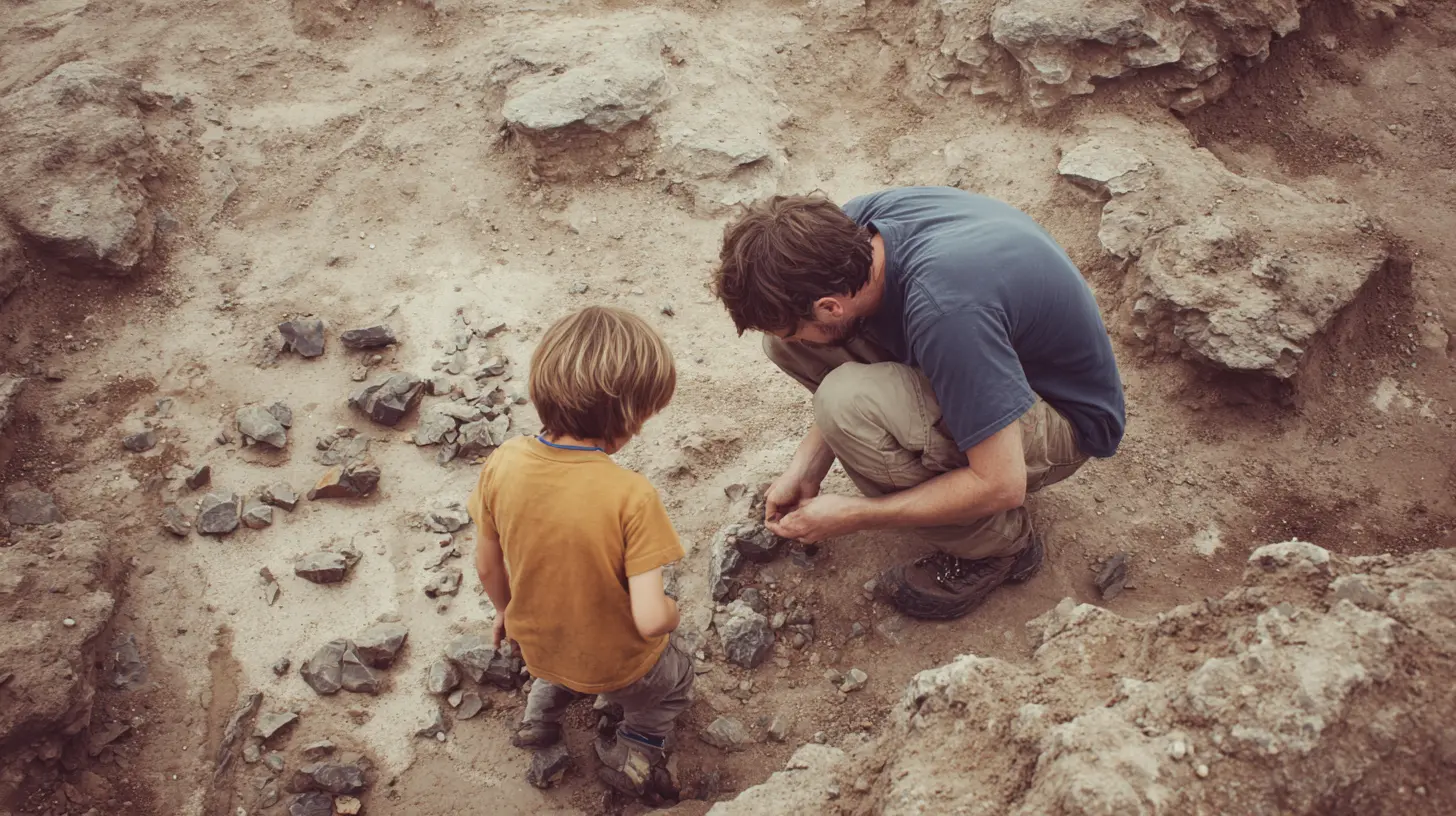
What to Look for When Fossil-Hunting
So, what exactly are you looking for when hunting for fossils? It's not always about finding something obvious like a complete dinosaur bone (though that would be amazing, right?). More often, you’ll stumble across smaller, but still fascinating, treasures.Here are some of the common fossil types you’re likely to find while fossil hunting with your family:
1. Shark Teeth
Shark teeth are one of the most common and easiest fossils to find, especially in coastal areas. They come in all sizes, from tiny to massive. Not only are they cool to show off, but they hold clues to ancient marine life.2. Ammonites and Trilobites
These iconic sea creatures resemble a cross between snails and squids for ammonites, or an insect and a horseshoe crab for trilobites. Their fossils are often spiral-shaped and can be found in sedimentary rock formations.3. Plants and Leaf Imprints
Even ancient plants left their mark on the Earth. Fossilized leaves and plant imprints are common in many areas and give us insight into what the world’s forests and jungles looked like long before humans existed.4. Bones and Shells
While finding a complete skeleton might be rare, you can often unearth smaller bones or fragments of larger ones. Fossilized shells are also quite common, especially in former ocean beds.How to Preserve and Display Your Fossil Finds
So, you’ve found some incredible fossils – now what? As tempting as it may be to just throw them into the back of your car and call it a day, there’s value in preserving them properly. After all, these are ancient pieces of history that deserve some TLC.1. Handle with Care
Fossils are fragile, so make sure to wrap them in tissue paper or bubble wrap to protect them from getting damaged on the way home.2. Store Them Properly
Keep your fossils in a cool, dry space. Moisture can erode these precious finds, so avoid storing them in damp basements or overly humid areas of your home.3. Label and Display
Encourage your kids to label the fossils they find! Where did you discover them? What kind of fossil is it? This can be a great way for them to continue learning even after the hunt. Plus, it’s something to show off on "show and tell" day at school.For the true enthusiasts, consider creating a small fossil display at home. It doesn’t have to be anything fancy – a simple shadow box, shelf, or cabinet will do the trick. It’ll not only preserve your finds but also keep the fossil-hunting excitement alive for years to come.
Benefits of Fossil-Hunting for the Family
Why opt for fossil-hunting instead of, say, the usual beach trip or family hike? For one, it’s an activity that caters to all ages – from curious toddlers to moody teens (and parents too, of course). Here’s a look at how fossil hunting can benefit your family.1. Educational Opportunities
Fossil-hunting makes science come alive. Kids can see firsthand how rocks and fossils tell the story of our planet’s ancient history. They’ll gain an appreciation for nature, geology, and paleontology, all while having fun.2. Outdoor Exploration
In our technology-driven world, getting outside has become more important than ever for both mental and physical health. Fossil-hunting encourages the whole family to enjoy nature, get fresh air, and be active, all while staying engaged.3. Bonding
Fossil hunting encourages teamwork and shared experiences. Getting out together, solving the puzzle of where fossils might be hiding, and celebrating each discovery strengthens family bonds like nothing else.4. Sense of Accomplishment
Every discovery, no matter how small, brings a rush of accomplishment. Finding a fossil might feel like uncovering hidden treasure from a long-lost world – how many family activities can offer a thrill like that?Conclusion: Let the Adventure Begin!
Fossil-hunting with the family is more than just an outing; it's an adventure filled with discovery, excitement, and learning. Whether you're chipping away at rocks or scanning for treasures along the beach, you're bound to stumble across something special.So, why not swap your usual family day out for something far more unique and fascinating? Grab your tools, hit the road, and embark on a journey millions of years in the making. The thrill of discovering ancient life is closer than you think – all you have to do is start looking!
all images in this post were generated using AI tools
Category:
Outdoor ActivitiesAuthor:

Zelda Gill
Discussion
rate this article
1 comments
Erin Hensley
This article beautifully highlights the joy of fossil-hunting as a family activity. It's a wonderful way to explore nature together while creating lasting memories. I appreciate the tips for making it educational and fun. Can't wait to plan our own adventure!
June 6, 2026 at 2:28 AM
Zelda Gill
Thank you for your kind words! I'm glad you found the tips helpful. Enjoy your fossil-hunting adventure with your family!