Encouraging Gratitude and Generosity in Your Home
5 November 2026
Creating a nurturing environment where gratitude and generosity thrive can significantly impact your family dynamics. These qualities not only enhance personal relationships but also contribute to overall well-being and happiness. In this article, we will delve into practical strategies, real-life examples, and common misconceptions about fostering these values in your home.
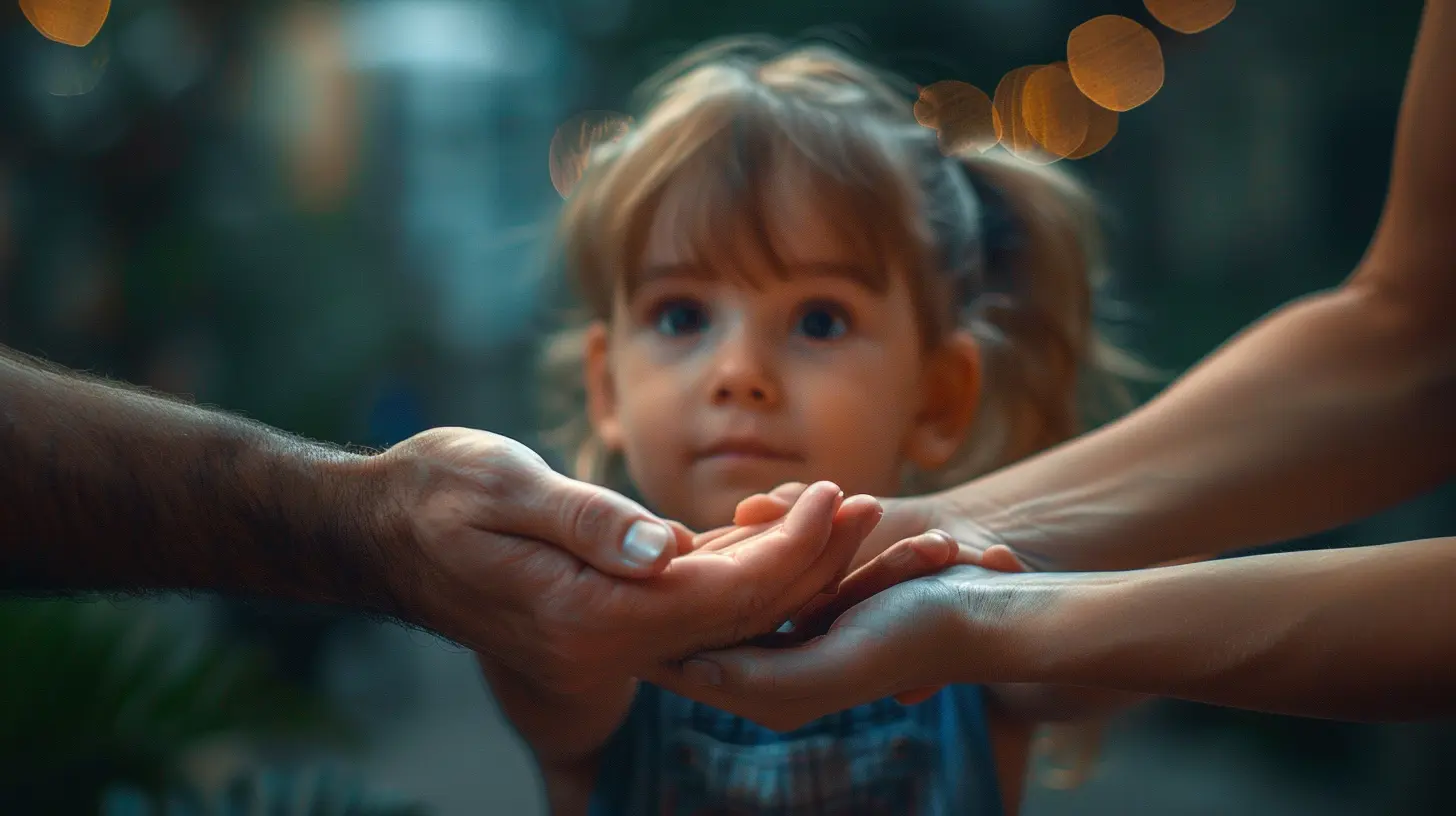
Understanding Gratitude and Generosity
What is Gratitude?
Gratitude is the recognition and appreciation of the positive aspects of life and the kindness of others. It encourages individuals to acknowledge the good, even amidst challenges. Cultivating gratitude helps children develop a positive outlook, reducing feelings of envy and resentment.What is Generosity?
Generosity is the willingness to give time, resources, or support to others without expecting anything in return. It fosters a sense of community and enhances interpersonal relationships. Teaching children about generosity can help them understand the value of sharing and empathy.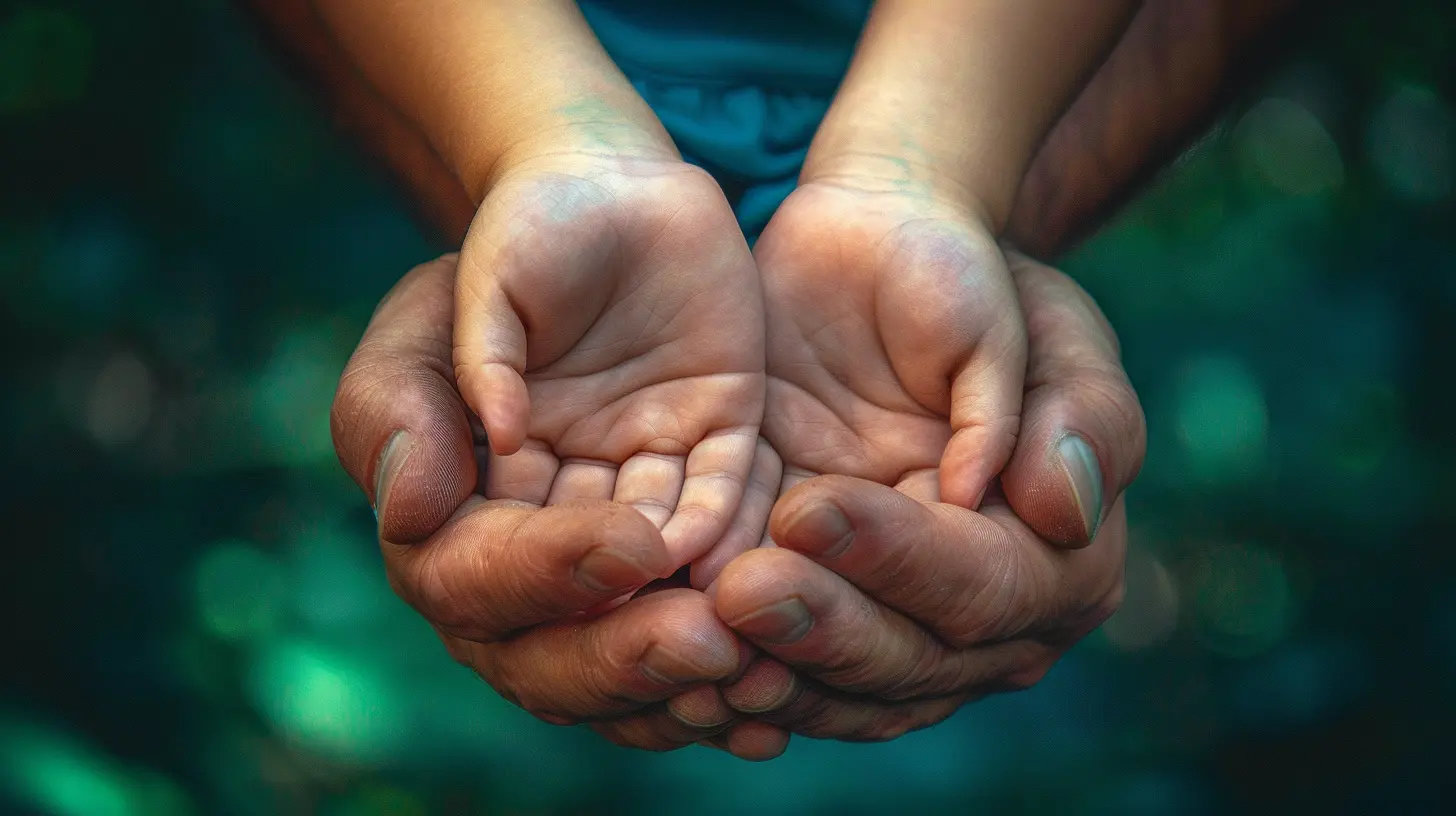
The Importance of Gratitude and Generosity in Family Life
Strengthening Relationships
Families that practice gratitude and generosity often experience stronger relationships. When family members express appreciation and support one another, it creates a sense of belonging and trust. This, in turn, can lead to better communication and reduced conflicts.Enhancing Emotional Resilience
Gratitude helps build emotional resilience. Children who regularly express gratitude are often better equipped to handle stress and adversity. When faced with challenges, they tend to focus on positive aspects rather than dwelling on negativity.Fostering Empathy
Generosity is closely linked to empathy. Teaching children to be generous encourages them to consider the feelings and needs of others. This understanding not only benefits their relationships but also contributes to their emotional intelligence.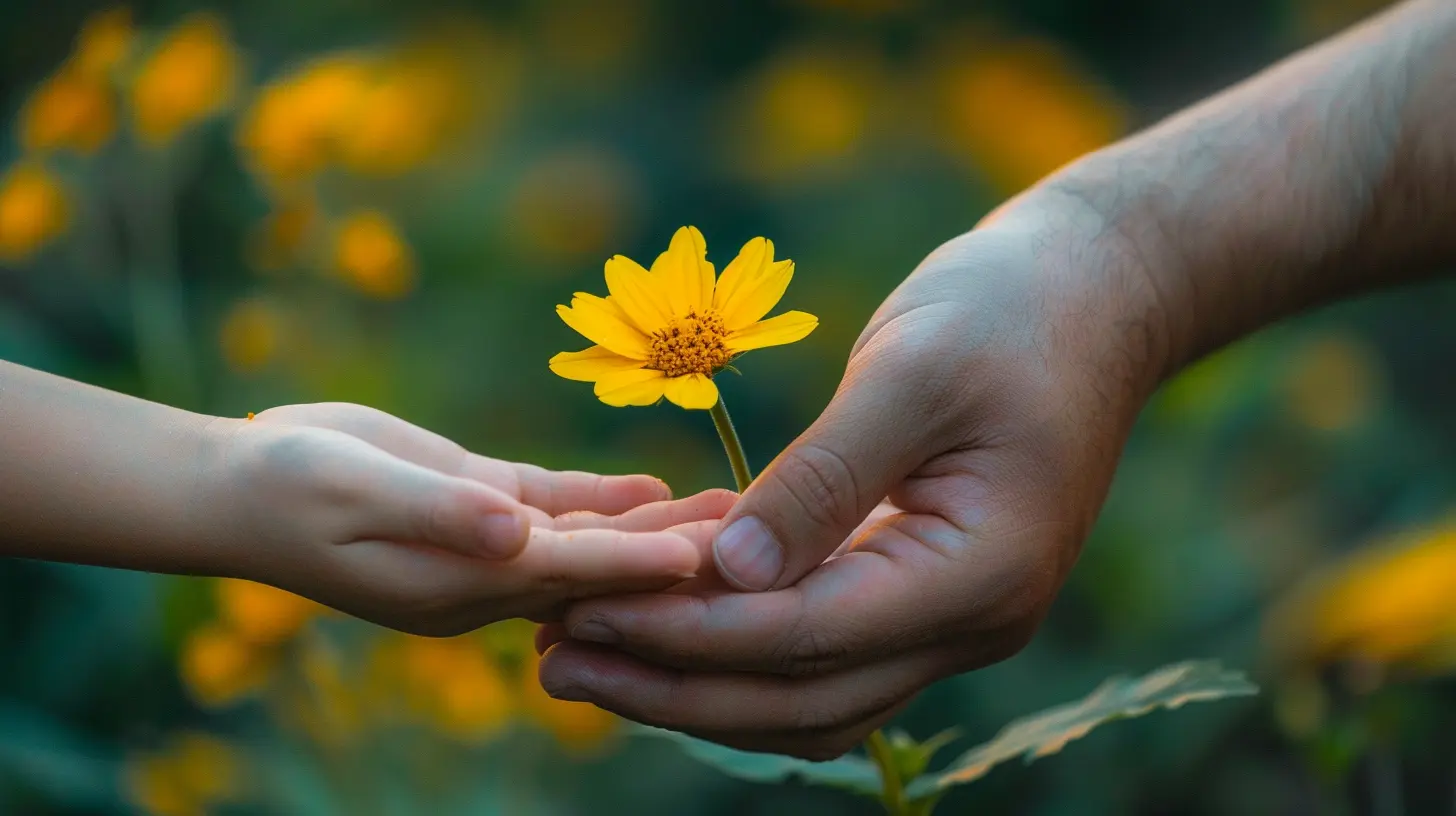
Practical Strategies for Fostering Gratitude in Your Home
Create a Gratitude Ritual
Establishing a gratitude ritual can embed appreciation into your family's routine. This could be as simple as sharing what each family member is thankful for during dinner or before bedtime. Consistency is key; aim for daily or weekly practice.Example
At the dinner table, have each person share one thing they are grateful for that day. This can lead to deeper conversations and reflection on positive experiences.Keep a Gratitude Journal
Encourage family members to maintain a gratitude journal. Writing down things they appreciate can help internalize the habit of gratitude. It can also serve as a great reflective tool during tough times.Model Gratitude
Children learn by observing their parents. Demonstrate gratitude in everyday interactions. Thank a cashier, acknowledge a neighbor's help, or express appreciation for family members. Your actions speak volumes.
Practical Strategies for Fostering Generosity in Your Home
Volunteer Together
Engaging in community service as a family can instill a sense of generosity. Volunteering teaches children about giving back and the importance of contributing to their community.Example
Consider spending a Saturday at a local food bank. Not only does this help those in need, but it also provides an opportunity for family bonding and shared experiences.Encourage Sharing
Promote sharing in daily life. Whether it's toys, snacks, or time, encourage your children to share with siblings and friends. This can help them understand the joy that comes from giving.Tip
If your child is hesitant to share, start small. Encourage them to share one toy or snack and gradually build their comfort level.Celebrate Generosity
Recognize and celebrate acts of generosity within your family. This could be through verbal praise or small rewards. Highlighting these moments reinforces the importance of generosity.Example
If your child helps a friend in need, acknowledge their kindness. A simple "I am proud of you for helping your friend" can reinforce positive behavior.Common Misconceptions about Gratitude and Generosity
Misconception: Gratitude is Only About Saying Thank You
Many people assume that simply saying "thank you" is sufficient for expressing gratitude. While verbal acknowledgment is important, it should be accompanied by genuine feelings and actions that reflect appreciation.Misconception: Generosity Means Giving Everything
Some believe that to be generous, one must give away all their possessions or resources. In reality, generosity can take many forms, including giving time, attention, or support. It is about the spirit of giving rather than the quantity.
Trade-offs and Considerations
Balancing Generosity with Self-Care
While promoting generosity is crucial, it is equally important to teach children the value of self-care. Encourage them to understand their limits and recognize when they need to prioritize their own well-being.Avoiding Overindulgence
Encouraging generosity should not lead to entitlement. It is essential to find a balance between teaching the value of giving and ensuring children appreciate what they have. Avoid overindulging in material gifts while fostering a spirit of giving.Real-World Examples of Gratitude and Generosity in Action
Family Gratitude Projects
Some families take gratitude a step further by creating projects that express appreciation. For instance, a family might create a gratitude tree where each member adds leaves with notes of what they are thankful for.Community Generosity Initiatives
Schools and organizations often run initiatives that encourage families to participate in acts of generosity. For example, holiday toy drives or food collections can bring families together to support those in need.
Encouraging a Culture of Gratitude and Generosity
Setting Family Goals
Establish family goals related to gratitude and generosity. This could include volunteering a certain number of hours each month or aiming to express gratitude daily. Setting these goals can create a shared commitment to these values.Open Discussions
Engage in open discussions about gratitude and generosity. Ask your children how they feel about these concepts and encourage them to express their thoughts. This can lead to deeper understanding and commitment.Conclusion
Fostering gratitude and generosity in your home is a continuous journey. The impact of these qualities can be profound, shaping your family's dynamics and enhancing emotional well-being. By implementing practical strategies, addressing misconceptions, and modeling these values, you can create a nurturing environment that thrives on appreciation and giving.Encouraging these characteristics will not only benefit your children but also strengthen your family bonds and contribute positively to your community. Remember, the goal is to cultivate an environment where gratitude and generosity are woven into the fabric of everyday life.
all images in this post were generated using AI tools
Category:
Parenting LessonsAuthor:

Zelda Gill
Discussion
rate this article
1 comments
Ramona Hall
Modeling gratitude fosters a generous spirit in children.
November 5, 2026 at 4:56 AM