Empowering Kids to Handle Bullies Without Violence
3 June 2026
Bullying is a tough reality that many kids face today—whether in school, online, or even in social circles. As parents, we want to protect our children, but we also want to equip them with the confidence and skills to stand up for themselves in a positive way.
The good news? Kids don’t have to fight fire with fire. There are powerful, non-violent strategies that can help them handle bullies while maintaining their self-respect. This article will walk you through practical ways to empower your child to deal with bullies without resorting to aggression. 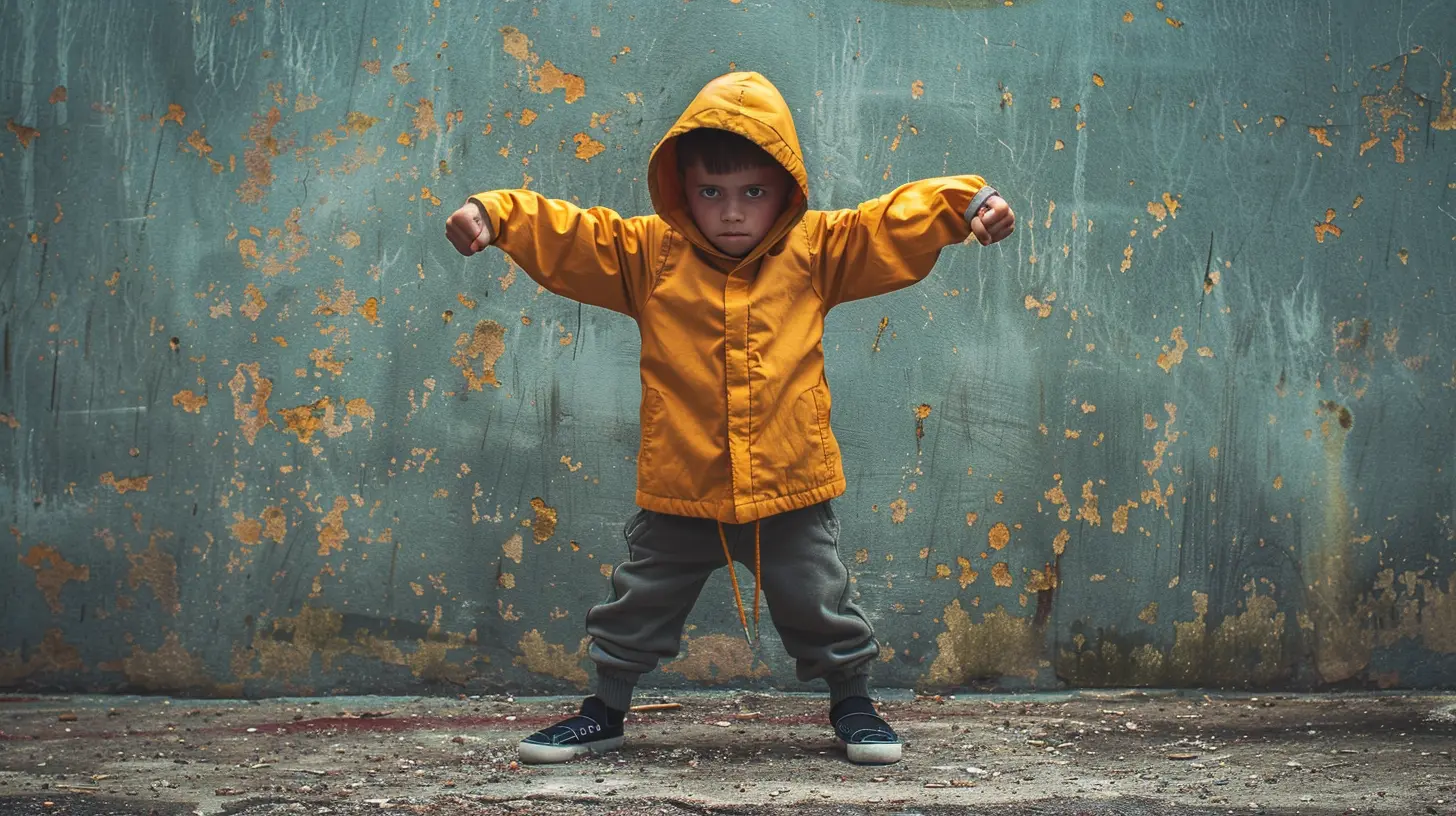
Understanding Bullying: More Than Just Mean Words
Before we jump into solutions, let’s clarify what bullying really is. It’s not just a one-time rude comment or a small argument between friends. Bullying is intentional, repeated, and involves a power imbalance, where one child feels powerless, and the other thrives on control.Common forms of bullying include:
- Verbal bullying – name-calling, insults, threats
- Physical bullying – hitting, pushing, damaging belongings
- Social bullying – spreading rumors, excluding someone from a group
- Cyberbullying – harassment over texts, social media, or online gaming
Recognizing these patterns helps children understand that they’re not at fault and that they can take action. 
Building Inner Strength: The First Line of Defense
A confident child is a less likely target for bullies. Kids who carry themselves with self-assurance send signals that they won’t be easily pushed around.1. Encourage Self-Confidence
Confidence isn’t about being the loudest in the room—it’s about believing in one’s worth. Teach your child to:- Maintain good posture (stand tall, make eye contact)
- Speak in a clear and firm voice
- Trust their feelings—if something doesn’t feel right, they should take action
Role-playing different bullying scenarios at home can help them practice these skills in a safe space.
2. Develop Emotional Resilience
Bullies thrive on getting a reaction. If your child can manage their emotions and stay calm, it takes away the bully’s power. Encourage them to:- Take deep breaths before responding
- Use humor to defuse a situation (e.g., “Wow, you must’ve practiced that insult all night!”)
- Walk away with confidence instead of engaging in an argument
Resilience isn't about ignoring feelings—it’s about controlling how they react to those feelings. 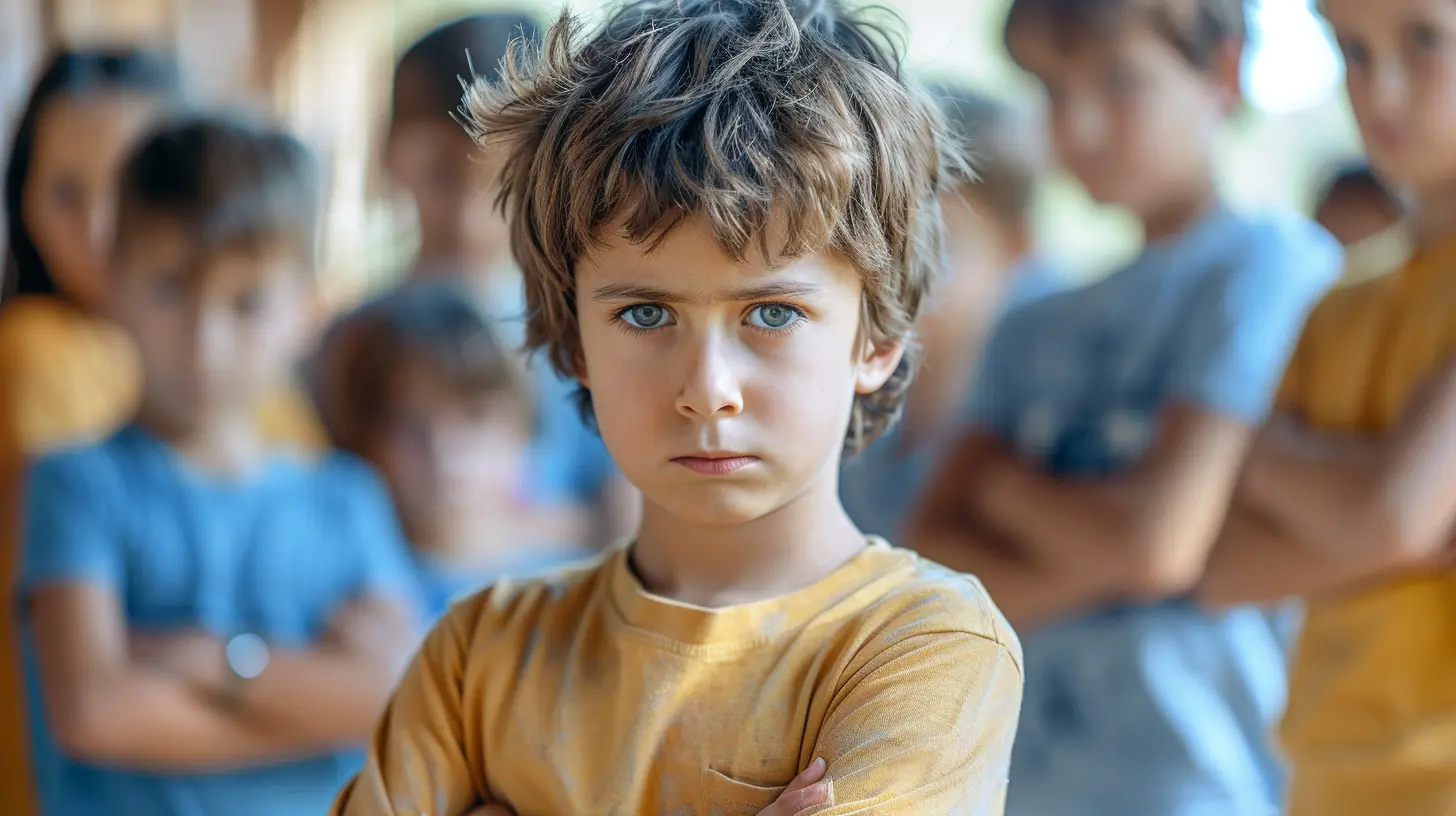
Effective Strategies to Handle Bullies Without Aggression
Now, let’s get into the real, actionable strategies that can help your child navigate bullying situations.3. The Power of Words: Assertive Responses
Teaching kids assertive, but not aggressive, responses can be a game-changer. Some effective phrases include:- “Stop. I don’t like that.” – Simple, strong, and to the point
- “That’s not funny.” – Takes away the bully’s attempt at humor
- “I’m not interested in arguing.” – Shuts down confrontations
Practicing these phrases at home builds confidence to use them in real situations.
4. The Art of Ignoring the Right Way
Ignoring a bully doesn’t mean pretending they don’t exist—it means not giving them the reaction they crave. Teach your child to:- Avoid making eye contact
- Stay calm and act unbothered
- Walk away without saying a word
This makes the bully feel powerless and often causes them to move on.
5. Seek Strength in Numbers
There’s truth in the saying, “strength in numbers.” Encourage your child to:- Stick with trusted friends who have their back
- Find safe spaces and supportive peers
- Use the buddy system in situations where bullying is common (e.g., hallways, buses)
Bullies are less likely to target someone who isn’t isolated. 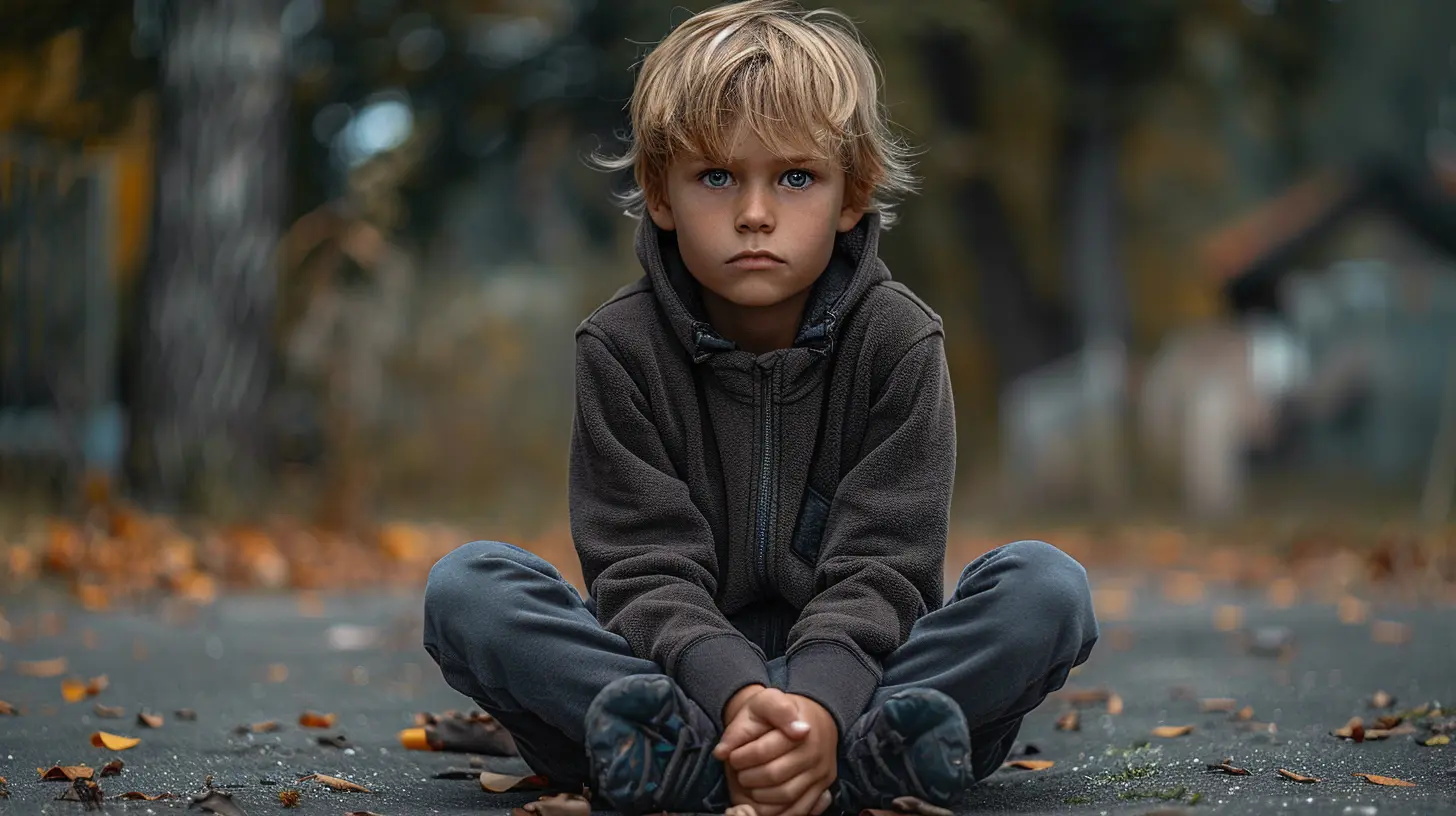
When to Seek Help: Knowing It’s Okay to Speak Up
Some kids hesitate to report bullying because they fear being called a “tattletale.” But reporting serious bullying isn’t tattling—it’s about staying safe.6. Teach Them Who to Turn to
Let your child know it’s okay to reach out to:- Teachers or school staff – They can intervene and monitor situations
- Parents or guardians – Always keep an open line of communication
- Counselors – Sometimes, talking to a neutral adult helps
Encourage them to document incidents (what happened, where, when, and who was involved) to help adults address the issue effectively.
7. Handling Cyberbullying
Digital harassment is a serious problem today. If your child is a victim of cyberbullying:- Avoid engaging with the bully online
- Block the person who is being abusive
- Save screenshots as proof
- Report the behavior to social media platforms or school authorities
Teach your child the "Pause Before You Post" rule—helping them understand that not reacting online is often the most powerful move.
Leading by Example: What Parents Can Do
Children watch and learn from their parents. If we want them to handle bullies with confidence and kindness, we need to embody those values too.8. Foster Open Communication
Create a home environment where your child feels safe to share their struggles. Instead of asking, “Did anyone bother you today?” try:- “What was the best part of your day?”
- “Did anything make you feel uncomfortable?”
- “If you could change one thing about today, what would it be?”
This opens the door for honest conversations without making them feel pressured.
9. Teach Empathy and Kindness
Bullies often act out due to their own struggles. While this doesn’t excuse their behavior, helping your child understand this can lessen fear and resentment. Encourage:- Acts of kindness – A simple smile or kind word can change someone’s day
- Standing up for others – Being an upstander instead of a bystander
- Forgiveness (when appropriate) – Letting go of anger, not for the bully, but for their own peace.
Final Thoughts
Handling bullies without violence isn’t about being weak—it’s about being clever, confident, and in control. By equipping your child with these strategies, you’re giving them the tools to navigate tough situations with dignity and strength.Bullying can’t always be prevented, but with the right mindset and skills, your child can handle it in a way that empowers them, rather than diminishes them.
Your child is stronger than they think—and with your support, they’ll be able to face bullies without fear and without fists.
all images in this post were generated using AI tools
Category:
Dealing With BullyingAuthor:

Zelda Gill
Discussion
rate this article
1 comments
Ember Mathews
Great article! Teaching kids non-violent strategies is so important. It not only empowers them but also fosters empathy and understanding. Let's raise compassionate future leaders!
June 8, 2026 at 4:30 AM
Zelda Gill
Thank you for your kind words! I completely agree-equipping kids with non-violent strategies lays the foundation for a more compassionate future.