Emotional Intelligence and Screen Time: Striking the Right Balance
22 March 2026
Let’s get real for a minute—parenting in the digital age isn't easy. On one hand, we’ve got tablets that can entertain our kids for hours (hello, peaceful dinner). On the other, we’re constantly worried about what all that screen time is doing to their little minds. More specifically, how it might affect their emotional intelligence.
Yup, emotional intelligence—the superpower that helps kids recognize and manage their emotions, build relationships, and make responsible decisions. It’s the heart of healthy communication. And if we’re not careful, too much screen time can slowly chip away at that social and emotional foundation we’re trying so hard to build.
But here’s the good news: it’s not an all-or-nothing game. Like most things in life and parenting, it’s about balance. So grab a cup of coffee (or reheat the one sitting in the microwave), and let’s talk about how we can help our kids grow into emotionally smart humans—without making screens the enemy.
What Is Emotional Intelligence (EI), and Why Should Parents Care?
Emotional Intelligence—often called EQ—is basically the ability to recognize, understand, and manage emotions. It also covers empathy, communication, and the ability to handle interpersonal relationships wisely and compassionately.Think about it: We gush over high IQ scores, but EQ is what helps our kids thrive in school, friendships, and life.
Here’s what emotional intelligence looks like in action:
- Your child calming themselves down after a meltdown
- Talking about their feelings instead of acting out
- Reading someone else’s mood before they speak
- Handling conflicts without a screaming match
Sounds like magic, right? But it’s not. It’s just emotional development—and like any skill, it can be nurtured. The tricky part? Emotional intelligence grows through interaction, modeling, and real-world practice, not by watching cartoons for five hours straight.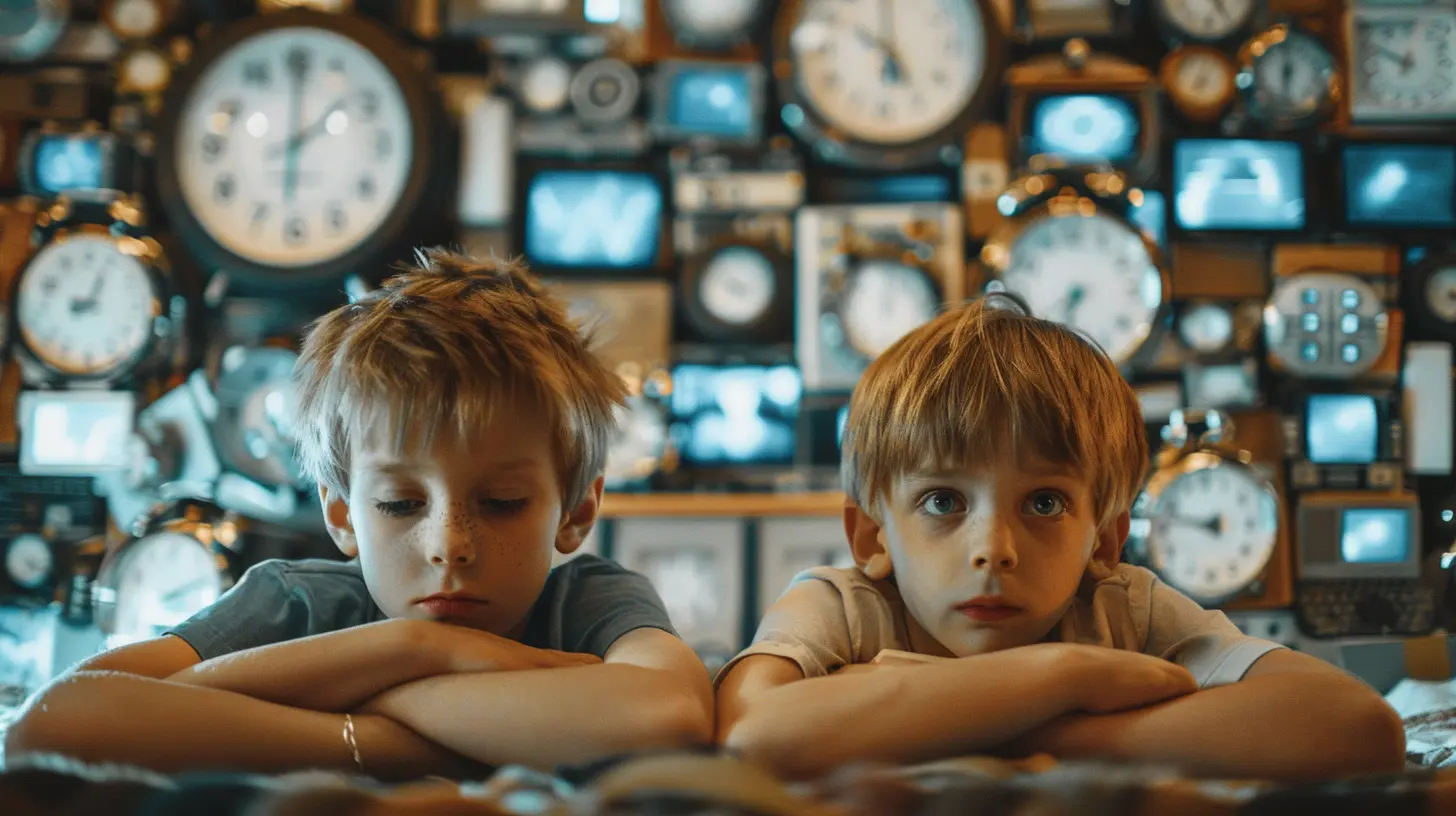
Screens Aren’t Evil—But They’re Not Babysitters Either
Let’s be honest—we’ve all used screens as a lifeline. You're at the grocery store, your toddler is about to drop a Level-10 tantrum, and you hand them your phone. No judgment—we’ve all been there.Screens can be super helpful tools. They can educate, entertain, and even connect. But problems happen when screen time replaces face-to-face interaction and the messy, beautiful practice of managing emotions in real life.
Too much screen time can do a few sneaky things:
- Reduce empathy and social cues awareness (because you can't learn those from a tablet)
- Shorten attention spans
- Limit real-world emotional learning
- Disrupt sleep patterns (hello, cranky mood swings)
So no, screens aren’t evil. But they shouldn’t be raising our kids, either. Our role? To step in and help them balance it all out.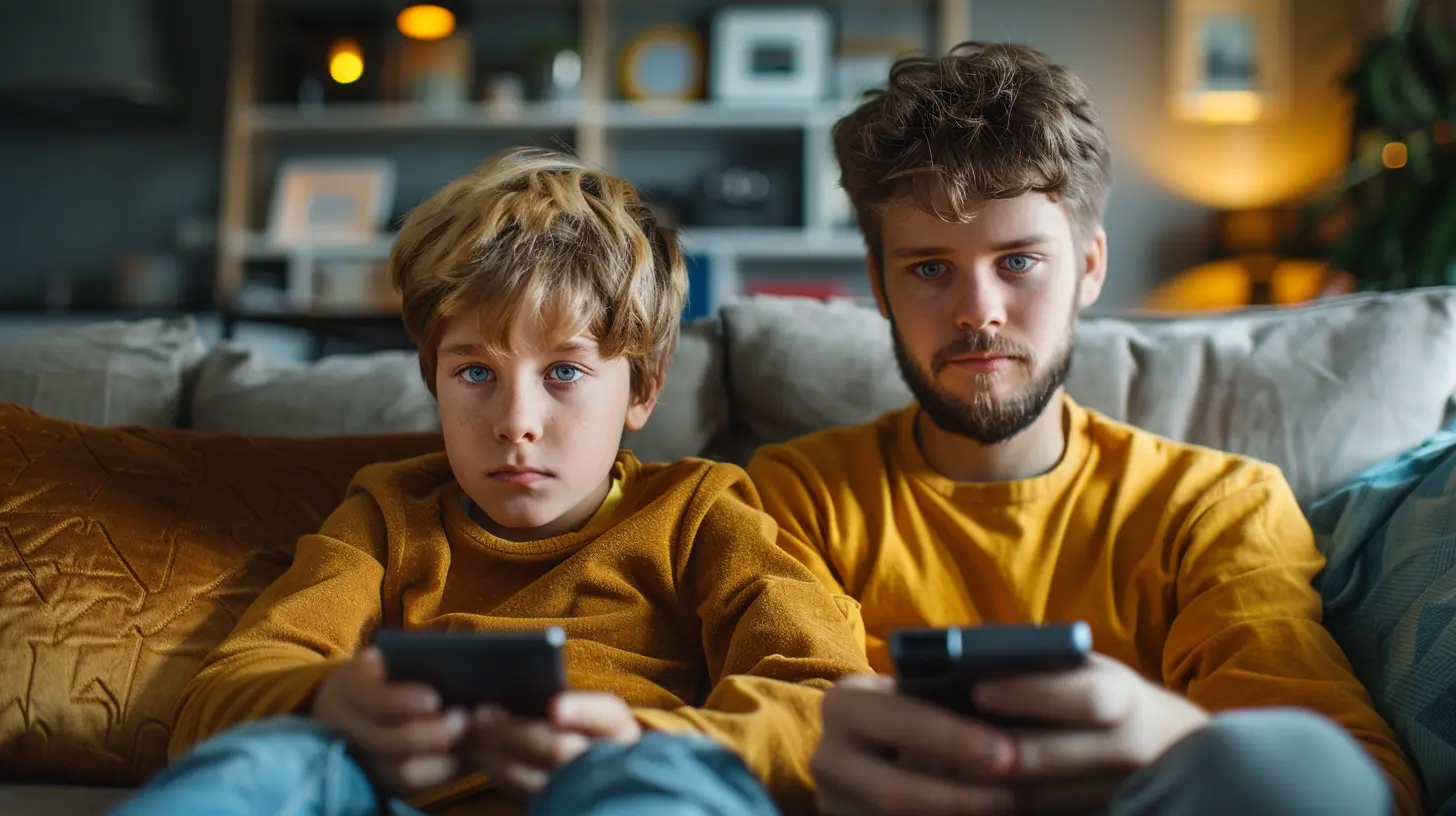
Signs Your Child's Emotional Intelligence Might Be Taking a Hit
Not sure if the screen time is affecting your child’s development? Here are a few tell-tale signs to watch for:- Difficulty expressing feelings: If your child struggles to name or talk about emotions, it could mean they don’t have enough real-life practice.
- Reduced empathy: Are they acting indifferent when a sibling is upset or ignoring social cues?
- Frequent meltdowns or shutdowns: Yep, that could be linked to overexposure to fast-paced, hyper-stimulating content.
- Unusual irritability or frustration: Screens can be overstimulating, leading to emotional overload.
- Preference for screens over play: If they’d rather scroll endlessly than build a fort or talk to a friend, it's time to recalibrate.
If this sounds familiar, don’t panic. It doesn’t mean you’ve failed—it just means it’s time to make a few changes.
How Screen Time Affects Emotional Development
Let’s break it down a bit more. How exactly does screen time impact emotional intelligence?1. Lack of Face-to-Face Interaction
Emotional intelligence is built through relationships. Kids need to see facial expressions, hear tone of voice, and respond in kind. When screen time eats into family conversations, storytelling, or even arguments (yes, those help too), kids lose out on real emotional learning.2. Instant Gratification
With most apps and games, kids tap a button and BOOM—they win. Real life isn’t like that. Learning how to regulate emotions takes time, patience, and setbacks. With too much screen time, kids can get used to immediate rewards and lose tolerance for frustration.3. Emotional Disconnection
Many digital platforms are highly curated. Kids (especially teens) compare their messy, real lives with the filtered reality they see online. This can lead to low self-esteem and emotional confusion—not great for building confidence or empathy.Building Emotional Intelligence in the Screen Age
Here’s the thing: It’s not about banning screens. It’s about being intentional. You’re not just parenting in the digital world—you’re guiding your child through it.So what can we do?
1. Model Emotional Intelligence
Kids learn by watching us. If we want them to be emotionally intelligent, we’ve got to walk the talk. That means:- Naming our feelings out loud (“I’m feeling overwhelmed right now”)
- Talking through conflicts calmly
- Apologizing when we mess up (because hey, we mess up)
The more they see us managing emotions in healthy ways, the more they'll internalize that skill set.
2. Create Tech-Free Zones
Dedicate certain spaces or times to be screen-free, such as the dinner table or bedtime. Use this time for conversations, storytelling, or even just sitting together. These moments build connection, and connection grows EQ.3. Screen Time With Purpose
All screen time isn’t created equal. There's a big difference between mindless scrolling and meaningful content. Choose educational, interactive apps over passive entertainment. Even better? Watch together. Pause and talk about the characters’ emotions, choices, and consequences.4. Encourage Creative Play
Play is the ultimate emotional lab. Through imaginative play, kids process feelings, act out scenarios, and build empathy. And bonus: it doesn’t require Wi-Fi.Break out the dress-up bin, build a fort, or let them run wild in the backyard. The more they play, the more they grow emotionally.
5. Talk About Emotions Frequently
Use every opportunity to name, describe, and validate feelings. Ask questions like:- “How did that make you feel?”
- “What do you think your friend felt when that happened?”
- “Why do you think she was upset?”
These questions grow emotional awareness and help kids think beyond their own experiences.
6. Set Consistent Boundaries
Let’s be clear: kids need limits. That includes screen limits. Create a schedule that allows time for real-life experiences—playing outside, chores, reading, talking. The goal is to ensure screens don’t crowd out the stuff that builds IRL (in real life) emotional strength.Practical Tips for Striking That Balance
Parenting in the digital age isn’t about perfection—it’s about being aware and doing our best. Here are a few practical tips to help you find that sweet spot:- Create a family media plan: Decide together when and where screens are allowed.
- Use timers: Kids respond well to visual timers that show how much screen time they have left.
- Be involved: Know what your kids are watching and join them when you can.
- Decompress together: After screen time, do something calming—read a book, talk about the day, or snuggle.
- Encourage journaling: Encourage older kids to write about their thoughts and feelings. It’s a great offline way to build self-awareness.
The Long-Term Wins of Emotional Intelligence
Here’s the thing you need to remember—raising emotionally intelligent kids sets them up for lifelong success. We're talking:- Healthier relationships
- Better academic performance
- Stronger coping mechanisms
- Higher self-esteem
- Greater resilience in tough times
And isn't that what we all want for our kids?
Sure, screen time is a part of life now. But with the right guidance and balance, it doesn’t have to derail their emotional growth. In fact, it can be part of their journey—when used wisely, with love, limits, and lots of real-world hugs and conversations.
Final Thoughts: You’re Doing Better Than You Think
If you’re reading this, you care—and that means you’re already on the right track. It’s not about being the perfect parent with zero screen time and endless emotional conversations. It's about showing up, making intentional choices, and keeping real human connection at the center.So go ahead and let your kid watch that educational show while you drink your coffee—but follow it up with a heart-to-heart. Spend a few minutes talking, playing, asking questions. Teach them that while screens are cool, feelings are even cooler.
Because at the end of the day, emotional intelligence is what’s going to carry them through a world filled with both face-to-face moments and digital noise. And you? You’re the one lighting the path.
all images in this post were generated using AI tools
Category:
Emotional IntelligenceAuthor:

Zelda Gill
Discussion
rate this article
2 comments
Eli McQuade
Balancing screen time with emotional intelligence is crucial for healthy child development.
April 2, 2026 at 4:50 AM
Zelda Gill
Absolutely, finding that balance is key to fostering both emotional intelligence and healthy screen habits in children.
Tia McDermott
Great insights! Finding balance in screen time is so essential for kids!
March 23, 2026 at 5:26 AM
Zelda Gill
Thanks for the feedback! Finding that balance truly makes a difference in developing emotional intelligence.