Cyberbullying: How to Protect Your Child Online
1 April 2026
The digital world is an exciting place. Our kids use it to learn, play, connect, and grow. But let’s be real — navigating the online world as a parent can feel like walking through a minefield with a blindfold. One of the biggest threats lurking behind the screen? Cyberbullying.
It’s no longer just name-calling or teasing in the schoolyard. Now it follows kids home, sneaking into their bedrooms through smartphones, gaming consoles, and social media apps. The worst part? It’s silent, often unnoticed, and incredibly damaging.
So how can you, as a parent, shield your child without wrapping them in bubble wrap? Let’s break it down.
What Is Cyberbullying?
Cyberbullying is when someone uses digital devices to repeatedly harass, threaten, embarrass, or target another person. This could be through hurtful messages, spreading rumors, posting mean comments, or even pretending to be someone else online.It happens on social media, text messages, emails, and even within multiplayer games. The real kicker? Unlike traditional bullying, this version doesn’t stop when the school bell rings. It’s 24/7 and can feel absolutely relentless.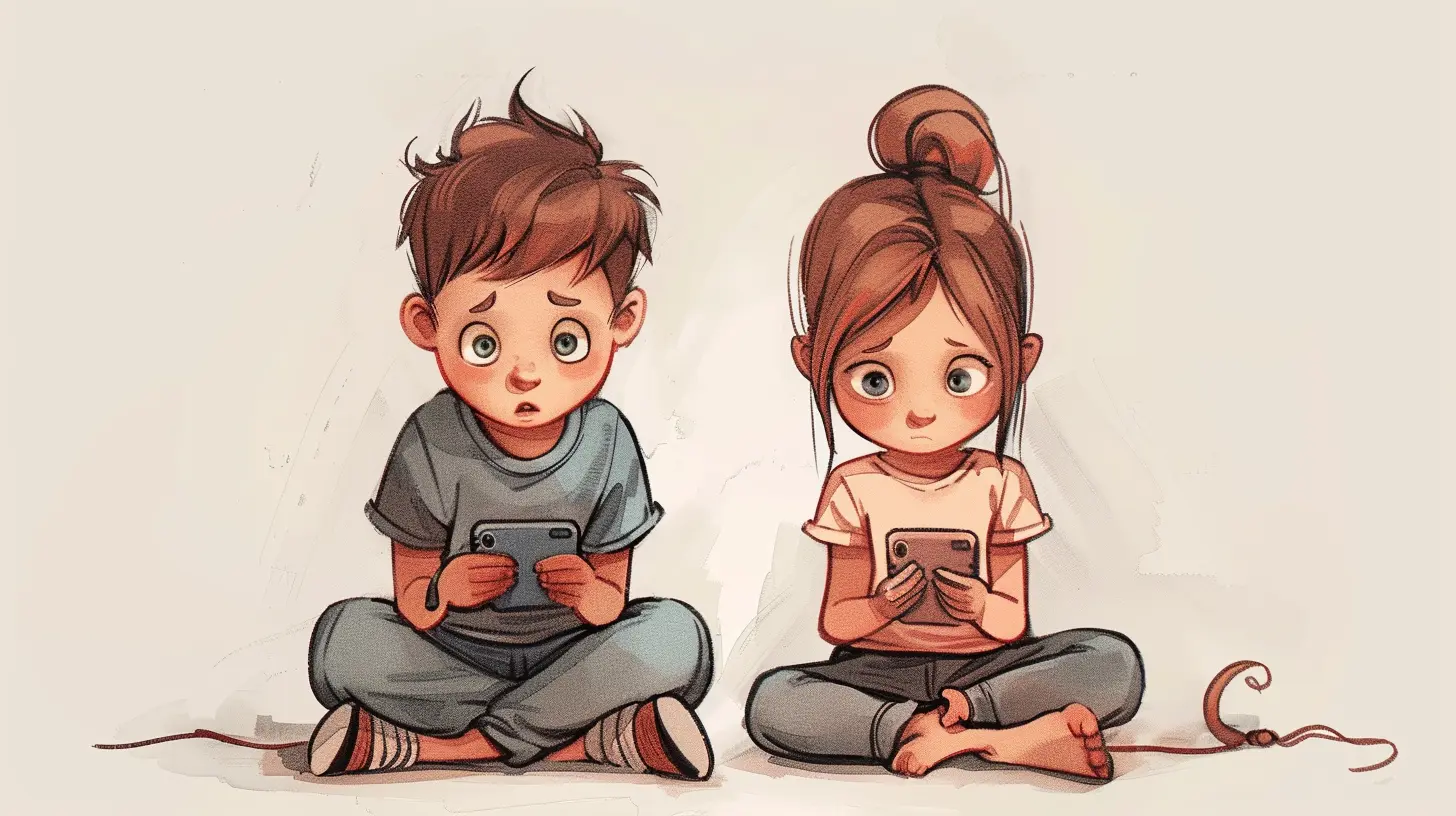
Why Cyberbullying Hits So Hard
Let’s put ourselves in a child’s shoes for a second.Imagine walking into your room — your supposed safe zone — and still hearing whispers about yourself. The phone buzzes again: another mean comment. Another rumor. Another attack. It’s like a ghost bully that never sleeps.
Kids who are cyberbullied may feel isolated, anxious, depressed, or disconnected. At its worst, it can mess with their self-esteem, school performance, and mental health. And sadly, some headlines have shown us just how serious the consequences can be.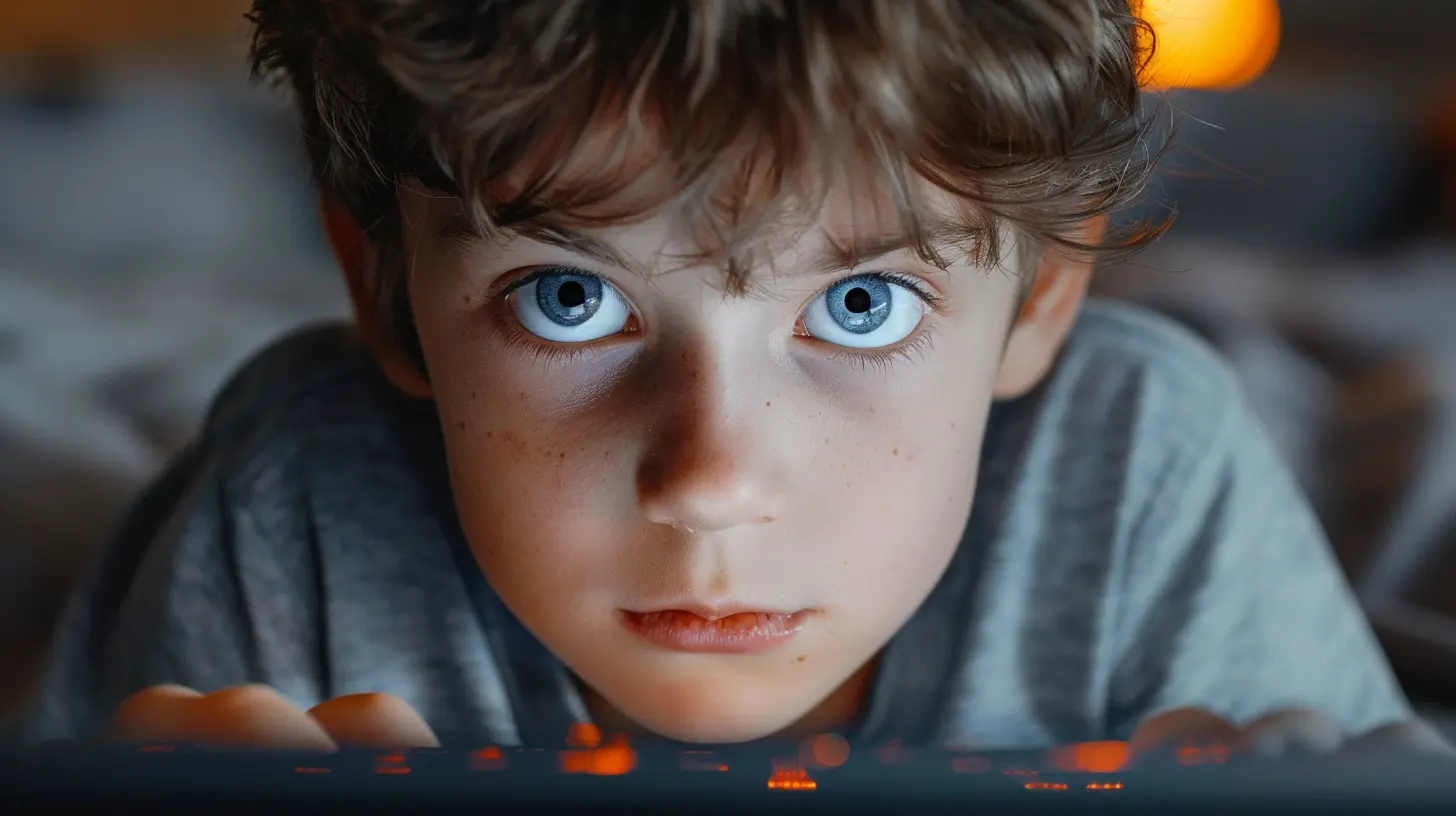
Spotting The Red Flags
You know your child better than anyone else. So, what should you be watching for?Here are some common signs that might suggest your child is dealing with cyberbullying:
- Sudden mood swings or signs of anxiety after using their phone or computer
- Avoiding school or social events
- Changes in sleeping or eating habits
- Becoming secretive about online activity
- Unexplained physical symptoms (like frequent headaches or stomachaches)
- A noticeable drop in self-esteem
If your gut tells you something’s up — trust it. You're not being paranoid. You're being a parent.
Open The Door To Honest Conversations
Here’s your secret weapon: communication.It might sound simple, but keeping an open line of dialogue with your child is one of the most powerful tools you’ve got. It doesn’t have to be a dramatic sit-down with a PowerPoint presentation. Just check in regularly.
Ask things like:
- “What apps are you into right now?”
- “Anyone being weird or mean online?”
- “If something made you uncomfortable online, would you feel okay telling me?”
Make sure your child knows that they won’t get into trouble for being honest. Let them see you as a safe space — not the tech police.
Teach Them Online Street Smarts
We teach our kids to look both ways before crossing the street. So why not teach them how to protect themselves online?Here’s how to build their digital armor:
1. Privacy is Power
Help them set strict privacy settings on all platforms. Make sure they understand that just because someone sends a friend request doesn’t mean they’re a friend.2. Think Before Posting
Once something is online, it’s there forever (hello, screenshot!). Teach your child to pause and think before sharing.3. Don’t Feed The Trolls
Cyberbullies thrive on reactions. Teach your child not to engage — block, report, and move on.4. Passwords Are Like Underwear
Keep them private, change them often, and never share them — not even with their best friend.Creating A Tech-Safe Home
Balancing supervision without invading privacy can be tricky. But creating a safe digital environment at home is totally doable.Set Tech Boundaries
- No phones at the dinner table- Screen-free zones (like bedrooms during homework or bedtime)
- Set time limits for recreational screen use
Use Parental Controls — Wisely
There are tons of tools out there that help you monitor screen time, block inappropriate content, and track online activity. Just don't rely on these alone. They’re tools, not replacements for real conversations.Be A Role Model
Let’s be honest — kids are watching us even when we think they’re not. If we’re glued to our screens or posting negative comments, they’ll pick up on that. Practice what you preach.What To Do If Your Child Is Being Cyberbullied
First things first: don’t panic. Breathe. Your child needs you calm, present, and supportive.Here’s a step-by-step plan:
1. Listen Without Judging
Resist the urge to interrupt or immediately react. Just let them talk. They might feel embarrassed or scared — so go easy.2. Save The Evidence
Screenshots. URLs. Messages. Save everything. You’ll need it if things escalate.3. Block And Report
Help your child block the bully and report the behavior to the platform. Most social media apps take cyberbullying seriously these days.4. Inform The School
Even if it’s happening online, chances are the bully is someone from school. Administrators and counselors need to know what’s going on so they can support your child.5. Get Professional Help
If your child is experiencing anxiety, depression, or emotional distress — reach out to a therapist or counselor. There’s no weakness in asking for help. In fact, it’s one of the strongest things you can do.Encouraging Resilience In Your Child
Let’s be real — we can’t bubble-wrap our kids forever. But we can help them build resilience so they don't crumble when life gets tough.Do this by:
- Validating their feelings without brushing them off
- Helping them develop problem-solving skills
- Encouraging social connections and hobbies outside of tech
- Reinforcing their self-worth every chance you get
Let them know they're not defined by someone else’s cruelty. They are kind. They are powerful. And they are not alone.
When Your Child Is The Bully
This might be tough to hear, but sometimes, our kids can be on the other side of the screen. And if that’s the case, it’s incredibly important to step in.A child who bullies online might be acting out because of peer pressure, low self-esteem, or issues at home or school. Address the behavior — not with shame, but with guidance.
Help them understand the impact of their actions. Encourage empathy, and if necessary, seek help from professionals to uncover what’s driving the behavior.
Final Thoughts: Be Your Child’s Digital Ally
Parenting in the digital age is not for the faint of heart. But the goal isn’t to shield our kids from every possible hurt — it’s to give them the tools to handle it.Cyberbullying is real, and yes, it’s scary. But with open conversations, strong boundaries, and a whole lot of love, you can protect your child from the shadows of the screen.
So, don’t wait until something goes wrong. Start the conversation today. Because when your child knows they can come to you without fear, you’ve already done half the work.
all images in this post were generated using AI tools
Category:
Dealing With BullyingAuthor:

Zelda Gill
Discussion
rate this article
2 comments
Clover McCall
Thank you for sharing these important insights on cyberbullying. I appreciate the practical tips to help protect our children in today’s digital world.
April 11, 2026 at 4:50 PM
Zelda Gill
Thank you for your kind words! I'm glad you found the tips helpful in protecting children online.
Azriel McGhee
In today's digital age, open communication is key. Encourage your child to share their online experiences without fear of judgment. Equip them with tools to recognize and report cyberbullying, while fostering resilience and empathy. Your support can empower them to navigate the online world safely.
April 8, 2026 at 4:29 AM
Zelda Gill
Thank you for highlighting the importance of open communication and support. Equipping children with the right tools and fostering empathy are essential steps in ensuring their safety online.