Creating a Screen-Free Routine That Works
8 November 2026
In today's digital age, screens are an integral part of daily life. They entertain, educate, and connect us. However, excessive screen time can have adverse effects on children, including disrupted sleep, reduced physical activity, and difficulties in social interactions. This article aims to provide practical strategies for parents looking to establish a screen-free routine that is effective, sustainable, and beneficial for their children.

Understanding the Impact of Screen Time
Before diving into creating a screen-free routine, it is essential to understand the implications of screen time on children. Research suggests that excessive screen use can lead to:- Physical Health Issues: Increased screen time is associated with sedentary behavior, which can contribute to obesity and related health problems. The American Academy of Pediatrics recommends that children aged 2 to 5 have no more than one hour of high-quality programming per day, while children younger than 18 months should avoid screen time altogether, except for video chatting.
- Mental Health Concerns: Prolonged exposure to screens, especially social media, can lead to anxiety and depression. Children may struggle with self-esteem issues as they compare themselves to curated online personas.
- Sleep Disruption: Screens emit blue light, which can interfere with the body's natural sleep-wake cycle. This disruption can lead to difficulty falling asleep and lower overall sleep quality.
- Social Skills Development: Face-to-face interactions are crucial for developing communication skills and emotional intelligence. Excessive screen time can hinder these essential social interactions.
Understanding these impacts can help parents make informed decisions about their children's screen time and motivate them to create a healthier routine.

Setting Clear Goals for a Screen-Free Routine
Creating a screen-free routine starts with setting clear, achievable goals. Here are some steps to consider:1. Identify Your Reasons
Understanding why you want to reduce screen time is crucial. Are you concerned about your child's health, social skills, or academic performance? By identifying your motivations, you can tailor your approach to meet your family's specific needs.2. Establish Limits
Decide how much screen time is appropriate for your family. Consider factors such as age, developmental stage, and individual needs. For instance, younger children may benefit from more time spent engaging in physical play, while older children may need to balance screen time with homework and extracurricular activities.3. Set Specific Goals
Rather than a vague "less screen time," set specific goals. For example, you might aim for no screens during meals or an hour of screen-free time before bed. Specific goals are easier to track and achieve.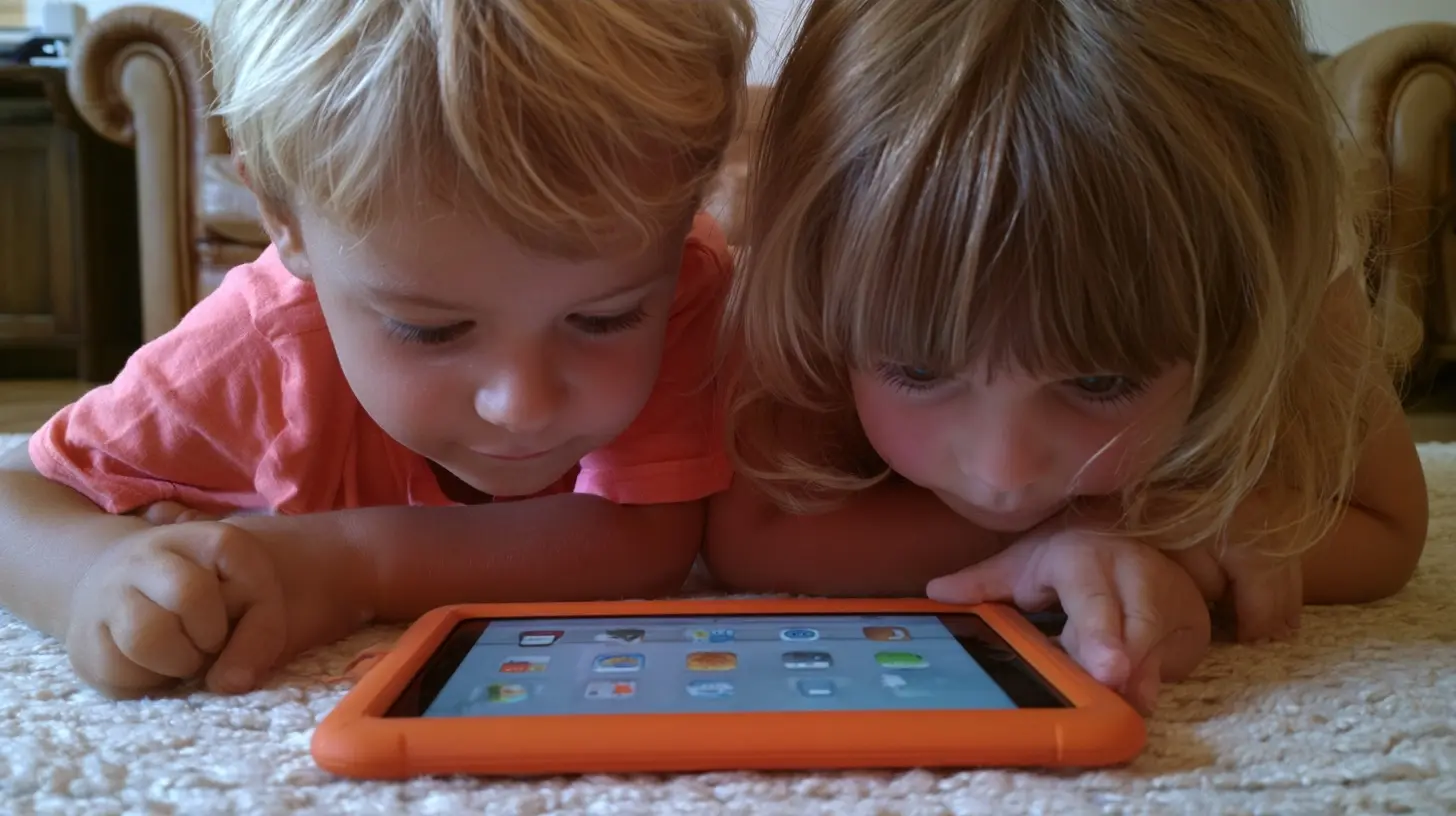
Creating a Screen-Free Environment
Once you have established your goals, it's time to create an environment that supports a screen-free routine. Here are some practical tips:1. Designate Screen-Free Zones
Establish areas in your home where screens are not allowed. Common choices include the dining room and bedrooms. This encourages family interactions during meals and promotes better sleep hygiene.2. Create a Screen-Free Schedule
Develop a daily or weekly schedule that outlines screen-free times. For example, you might designate specific hours after school for outdoor play, reading, or family activities. A structured routine helps children know what to expect and reduces the likelihood of negotiating screen time.3. Encourage Alternative Activities
Provide a range of engaging, screen-free activities. These can include:- Outdoor Play: Encourage physical activity through sports, hiking, or simply playing outside. Physical activity is essential for children's health and well-being.
- Arts and Crafts: Foster creativity with art supplies, building materials, or DIY projects. Crafting can be an excellent way for children to express themselves and develop fine motor skills.
- Board Games and Puzzles: These activities promote critical thinking and can be a fun way to spend quality time together as a family.
- Reading: Encourage a love of reading by providing a variety of books that cater to your child's interests. Make reading a part of your daily routine.
4. Lead by Example
Children often model their behavior after their parents. If you want to establish a screen-free routine, consider reducing your screen time as well. Show your children that there are many enjoyable activities beyond screens.
Navigating Challenges and Resistance
Implementing a screen-free routine may not be smooth sailing. Children may resist changes, especially if they are accustomed to frequent screen use. Here are some strategies to handle challenges:1. Communicate Openly
Discuss the reasons behind the screen-free routine with your children. Help them understand the benefits and involve them in the decision-making process. When children feel heard and included, they are more likely to cooperate.2. Gradual Transition
If your child is used to a lot of screen time, consider a gradual reduction rather than an abrupt change. For example, start by reducing screen time by 15 minutes each week until you reach your desired goal.3. Offer Choices
Give your children a sense of control by allowing them to choose alternative activities. For instance, let them pick between going for a bike ride, doing a craft, or reading a book. This approach can reduce resistance and make the transition feel more positive.4. Acknowledge Feelings
Children may express frustration or sadness when losing screen time. Acknowledge their feelings and reassure them that it is okay to miss their favorite shows or games. Encourage them to share their thoughts and feelings, fostering open communication.Reinforcing Positive Behavior
Positive reinforcement can be a powerful tool in establishing a screen-free routine. Here are some ways to encourage your children:1. Reward System
Create a reward system that recognizes and celebrates screen-free achievements. For instance, if your child successfully completes a week with limited screen time, they could earn a small reward, such as a special outing or a new book.2. Celebrate Successes
Celebrate milestones together as a family. Whether it's a week of screen-free dinners or a successful family game night, acknowledging these achievements fosters a sense of accomplishment and encourages continued efforts.3. Be Consistent
Consistency is key to reinforcing behavior. Stick to the established routine and limits, even when it gets challenging. Children thrive on structure, and consistency helps them understand expectations.
Evaluating and Adjusting the Routine
Creating a screen-free routine is not a one-time effort; it requires ongoing evaluation and adjustment. Here are steps to ensure your routine remains effective:1. Regular Check-Ins
Schedule regular family meetings to discuss the routine. Ask your children how they feel about the screen-free times and activities. Encourage open dialogue to address any concerns or suggestions.2. Adapt to Changing Needs
As children grow, their needs and interests may change. Be flexible and willing to adjust the routine to accommodate their evolving preferences. This adaptability can help maintain engagement and enthusiasm.3. Monitor Screen Time
While the goal is to reduce screen time, it can be helpful to monitor usage to ensure it aligns with your established limits. Use apps or built-in features on devices to track screen time and promote accountability.Conclusion
Creating a screen-free routine that works for your family requires thoughtful planning, open communication, and adaptability. By understanding the impacts of screen time and setting clear goals, you can foster a healthier lifestyle for your children. Remember to lead by example and provide engaging alternatives to screens. While challenges may arise, a consistent and supportive approach can help your family thrive in a screen-free environment.
all images in this post were generated using AI tools
Category:
Raising Happy KidsAuthor:

Zelda Gill